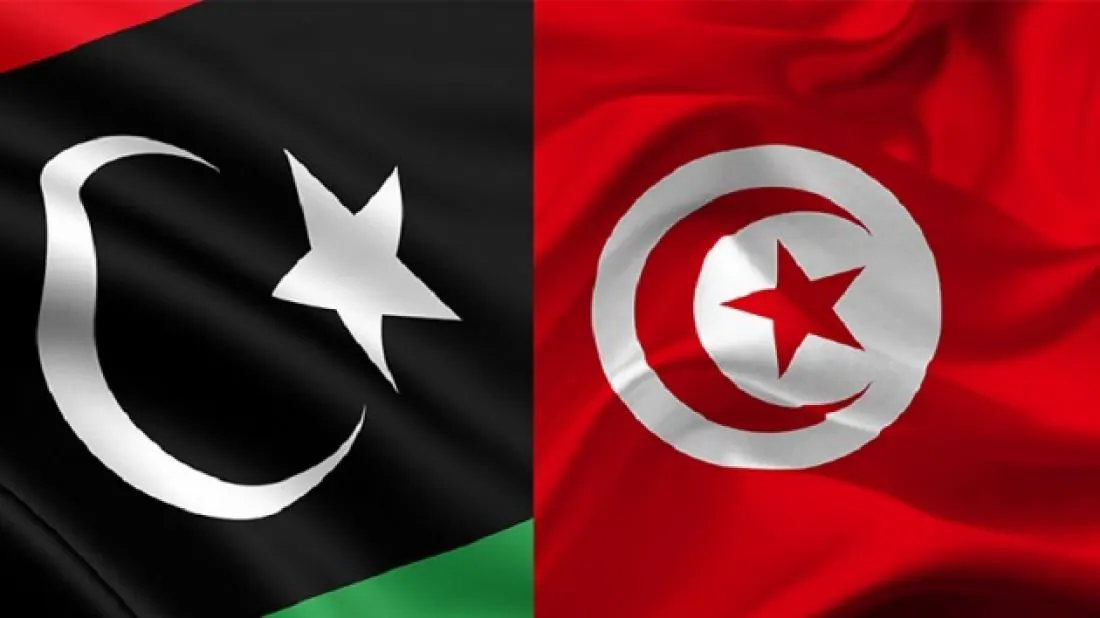
The National Institute of Large-Scale Agriculture in Tunisia recently hosted a Libyan delegation of farmers, as part of a cooperation initiative with the Food and Agriculture Organization (FAO) of the United Nations. The visit aimed to exchange experiences and expertise in improving water productivity and efficient use in irrigated agriculture. The Libyan delegation was introduced to the institute's roles, activities, and digital tools that aid decision-making.
The visit, which took place on Monday, included a presentation on the application of IREY and discussions with Tunisian farmers and grain producers. The Libyan delegation also visited the institute's experimental station and technology transfer center in the Kedia area. This allowed them to observe firsthand the experiments and practices adopted in large-scale agriculture.
The visit provided an opportunity to strengthen cooperation and exchange expertise between Tunisia and Libya, particularly in large-scale agriculture development, efficient use of water resources, and sustainable agricultural practices. This initiative is part of efforts to leverage available expertise and experiences in both countries, contributing to the development of agricultural production and efficient water use.
The Libyan delegation's visit is a significant step towards enhancing bilateral cooperation in the agricultural sector. Tunisia's experience in large-scale agriculture and water management can provide valuable insights for Libya, which faces similar challenges in the sector. The FAO's involvement in facilitating this exchange highlights the organization's commitment to supporting sustainable agricultural development in the region.
The National Institute of Large-Scale Agriculture plays a crucial role in promoting agricultural development in Tunisia. Its activities focus on improving crop yields, efficient water use, and sustainable agricultural practices. The institute's collaboration with international organizations like the FAO enables it to share knowledge and expertise with other countries, contributing to regional agricultural development.
The visit by the Libyan delegation demonstrates the growing interest in Tunisia's agricultural expertise. The country's experience in managing water resources and promoting sustainable agriculture can serve as a model for other nations facing similar challenges. This exchange of expertise can contribute to the development of more efficient and sustainable agricultural practices in the region.
The cooperation between Tunisia and Libya in the agricultural sector is expected to yield positive results, particularly in enhancing water productivity and efficient use. The visit by the Libyan delegation marks the beginning of a fruitful partnership that can contribute to the growth and development of the agricultural sector in both countries.
Key points
- The Libyan delegation visited Tunisia to learn about its experience in improving water productivity in agriculture.
- The visit was part of a cooperation initiative with the Food and Agriculture Organization (FAO) of the United Nations.
- The Libyan delegation was introduced to Tunisia's expertise in large-scale agriculture, water management, and sustainable agricultural practices.