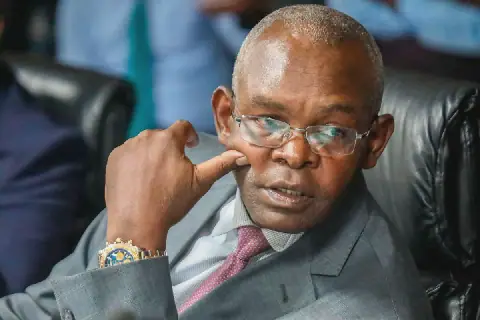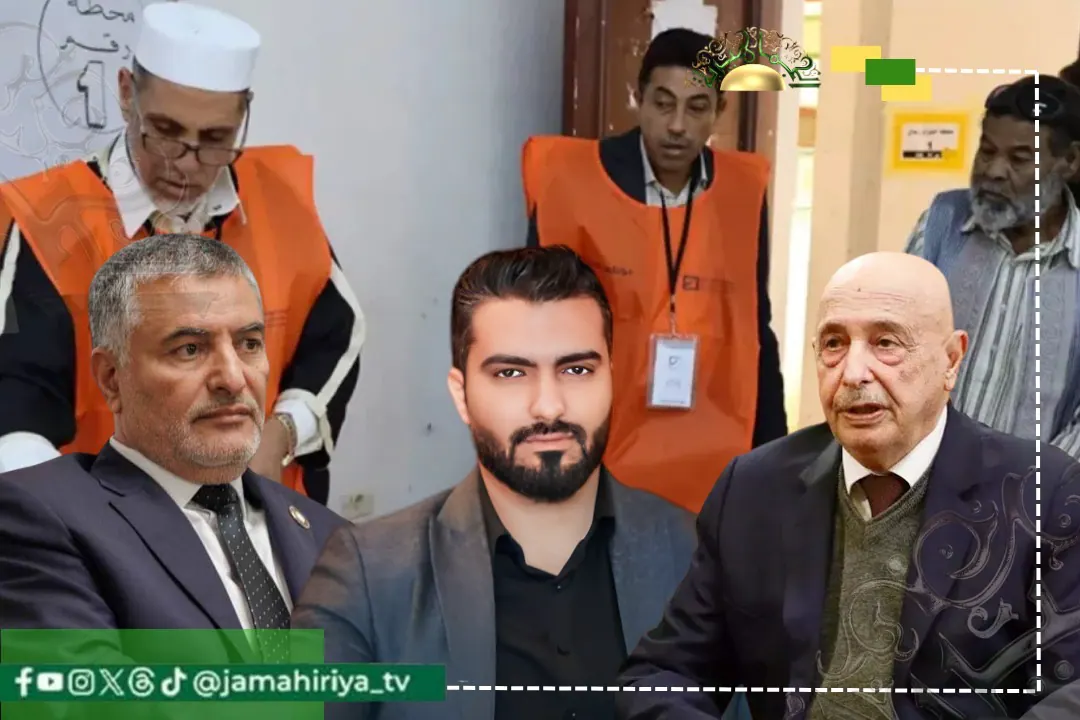
Libyan political analyst Mohamed Amtirid has emphasized the need for a political consensus that transcends transitional bodies to resolve the country's ongoing crisis. In a press statement, Amtirid highlighted that Libya requires a new approach that prioritizes elections as the ultimate solution, rather than a means to redistribute power among the same parties. This perspective comes amid ongoing efforts to address the country's political stalemate.
Amtirid expressed concerns over a recent decision by the House of Representatives, which he believes contains a clear weakness. He argued that the decision attempts to unilaterally alter a path that was previously agreed upon through the 4+4 committee. According to Amtirid, any party that modifies or undermines this agreement without consensus opens the door for others to challenge the entire process.
The analyst stressed that efforts to advance the election process or conclude the transitional phase cannot be achieved by altering previously agreed-upon understandings. Instead, Amtirid emphasized the importance of building on existing consensus rather than reopening it unilaterally. He suggested that any modifications should be made with the approval of relevant parties to avoid potential political and legal loopholes.
Amtirid warned that any shortcomings in the process should not be used as a new excuse by the advisory council to delay elections. He noted that the council has been part of the political deadlock in previous years and should not be granted veto power over the political process. Amtirid urged the House of Representatives to refrain from unilaterally changing previously agreed-upon terms.
According to Amtirid, the solution lies in reaching a new formula that preserves the essence of previous agreements, addresses legal and constitutional gaps, and directly推进es elections. This approach, he believes, can help move the country forward and provide a sustainable exit from the crisis.
Amtirid called on the UN mission and the international community to seize the opportunity to help Libya move beyond its current impasse. He argued that continued reliance on the same transitional bodies will not yield a new solution and emphasized the need for elections to serve as a final exit from the crisis, rather than a means to maintain the status quo.
The analyst concluded by stressing that Libya's future depends on the ability of its leaders to forge a genuine consensus that prioritizes the country's interests over individual or partisan gains. He expressed hope that the international community will support Libya's transition towards stability and democracy.
Key points
- Analyst Mohamed Amtirid calls for a political consensus beyond transitional bodies.
- Amtirid emphasizes the need for elections as the final exit from Libya's crisis.
- The analyst warns against unilateral changes to previously agreed-upon terms.