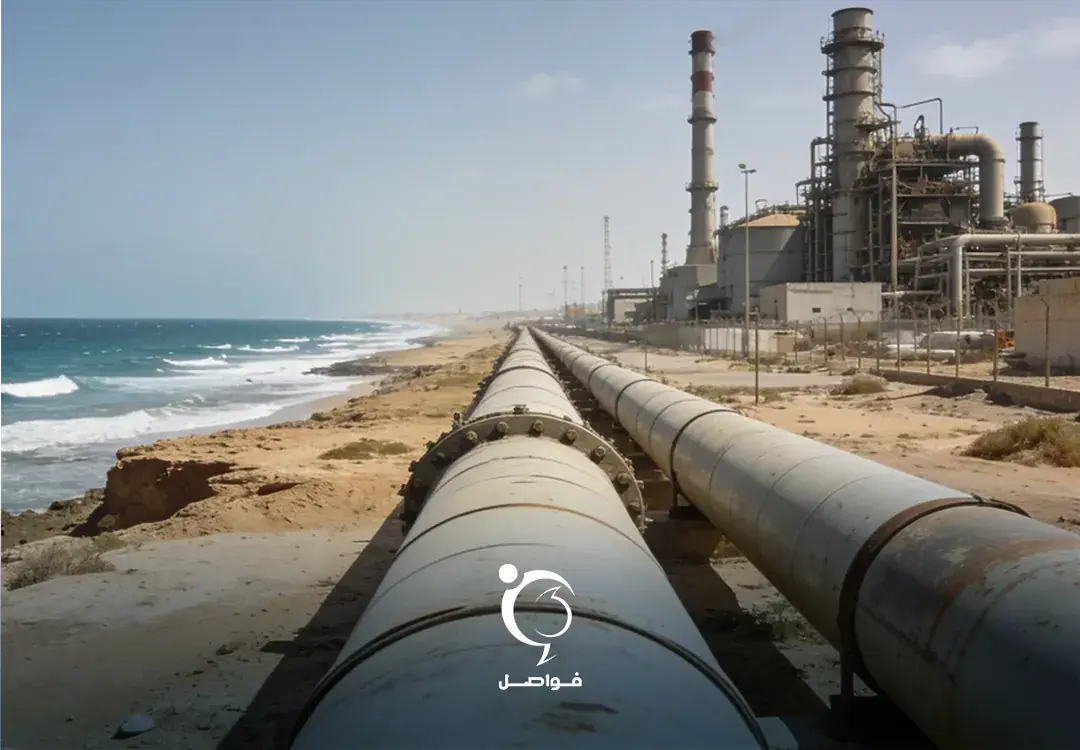
The Libyan government has formed a committee to expedite the technical and contractual arrangements for supplying natural gas to power plants. This move aims to prepare for peak consumption during the summer of 2027. The committee has adopted the technical frameworks for completing the coastal gas line and reviewed specifications and documents for tendering and contracting floating storage and regasification units.
The committee recommended assigning the Sirte Oil and Gas Company to study the necessary works to complete the gas line in coordination with the National Oil Corporation. The committee also discussed estimating the expected savings from replacing diesel fuel with natural gas in power generation. This effort is crucial in addressing the electricity crisis that Libya faced during the previous summer.
During the summer of 2026, some areas in Libya experienced electricity outages exceeding 14 hours daily. The government's proactive measures aim to mitigate such severe disruptions in the future. By leveraging natural gas, Libya hopes to reduce its reliance on diesel fuel for power generation, which is not only costly but also contributes to environmental degradation.
The Ministry of Industry and Minerals, under the Government of National Unity, is spearheading these efforts. The ministry's initiatives are focused on enhancing the country's energy infrastructure and ensuring a stable power supply. The completion of the coastal gas line and the deployment of floating storage and regasification units are critical components of this strategy.
Despite the urgency to enhance Libya's power generation capabilities, the committee has not specified a timeline for the completion of the gas line or the deployment of the floating units. These projects are still in the preparation and contracting phase. The National Oil Corporation and the Sirte Oil and Gas Company are key players in the implementation of these projects.
The use of natural gas for power generation is expected to yield significant economic and environmental benefits for Libya. By reducing its dependence on imported diesel fuel, the country can conserve foreign exchange and minimize the environmental impact of power generation. These developments are crucial for Libya's economic recovery and sustainable development.
As Libya moves forward with its plans to enhance its energy sector, the government faces the challenge of ensuring the timely completion of these projects. The successful implementation of these initiatives will be critical in preventing future electricity crises and supporting the country's economic growth. The international community is closely watching Libya's progress in this area.
Key points
- Libya's government is working to complete arrangements for natural gas supply to power plants to prevent a new electricity crisis.
- The country aims to reduce its reliance on diesel fuel for power generation by leveraging natural gas.
- The completion of the coastal gas line and deployment of floating storage and regasification units are critical to Libya's energy strategy.
Reporting sources
- بعد انقطاعات تجاوزت 14 ساعة.. ليبيا تراهن على الغاز لتفادي أزمة كهرباء جديدة · fawaselmedia.com