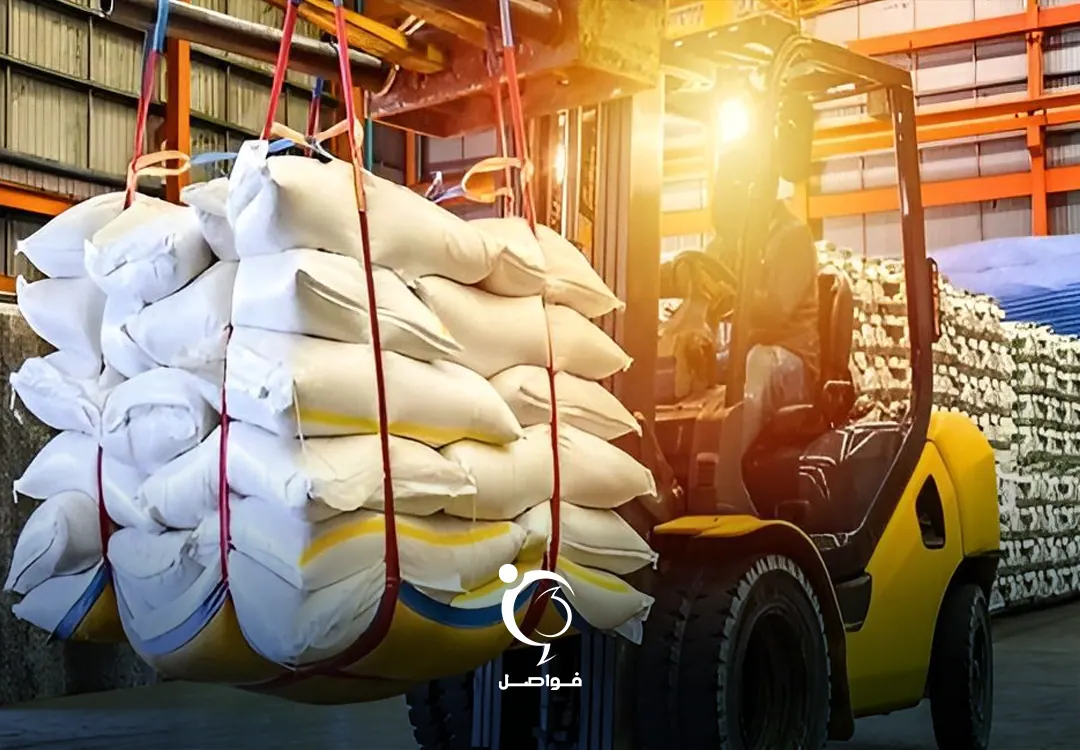
Libya is planning to establish a new sugar refinery in the city of Jalyana, Benghazi, with a production capacity of 2,500 tons per day, equivalent to approximately 912,500 tons annually. The project aims to provide a local source of sugar and reduce the country's dependence on imports. According to a report by the African business magazine, Ruwai Al-A'mal, the construction and equipment installation are expected to take 24 months to complete.
The new refinery will be operated by the Sugar Company of Jalyana, which signed a contract with a German company on September 17 to implement the project. The facility will initially rely on imported raw sugar to operate, but it is expected to reduce Libya's imports of refined sugar. The country's reliance on imported sugar is significant, with the US Department of Agriculture reporting that Libya imported around 627,000 tons of sugar in 2023/2024.
The project is seen as a step towards reducing Libya's dependence on imported goods and potentially creating new economic opportunities. However, the report also notes that the development of a local sugar industry faces challenges, including the availability of land, water, and production costs. These factors have been highlighted in previous studies by the World Bank as major hurdles to establishing a domestic sugar production industry in Libya.
The new sugar refinery is expected to have a positive impact on Libya's economy, creating jobs and reducing the country's reliance on imports. The project also has the potential to contribute to the country's food security and economic diversification efforts. According to the report, the refinery may also be able to export surplus production to regional and international markets in the future.
Despite the potential benefits of the project, it is unlikely that Libya will become a self-sufficient producer of sugar in the near future. The country's climate and geography make it challenging to cultivate sugarcane, and the production of sugar beets or other raw materials may not be feasible. Therefore, the refinery will likely continue to rely on imported raw sugar to meet its production needs.
The establishment of the new sugar refinery is part of Libya's efforts to develop its economy and reduce its dependence on imports. The project is expected to have a positive impact on the country's food security and economy, and it may also create new opportunities for trade and investment. The refinery is scheduled to begin operations within the next two years, and it will be an important step towards achieving Libya's economic development goals.
The project highlights the ongoing efforts of Libyan authorities to diversify the economy and improve food security. The new refinery will help reduce the country's reliance on imported sugar and create new economic opportunities. With a production capacity of 2,500 tons per day, the refinery is expected to make a significant contribution to Libya's sugar needs.
Key points
- The new sugar refinery in Libya will have a production capacity of 2,500 tons per day.
- The project aims to reduce Libya's reliance on imported sugar.
- The refinery is expected to begin operations within the next two years.