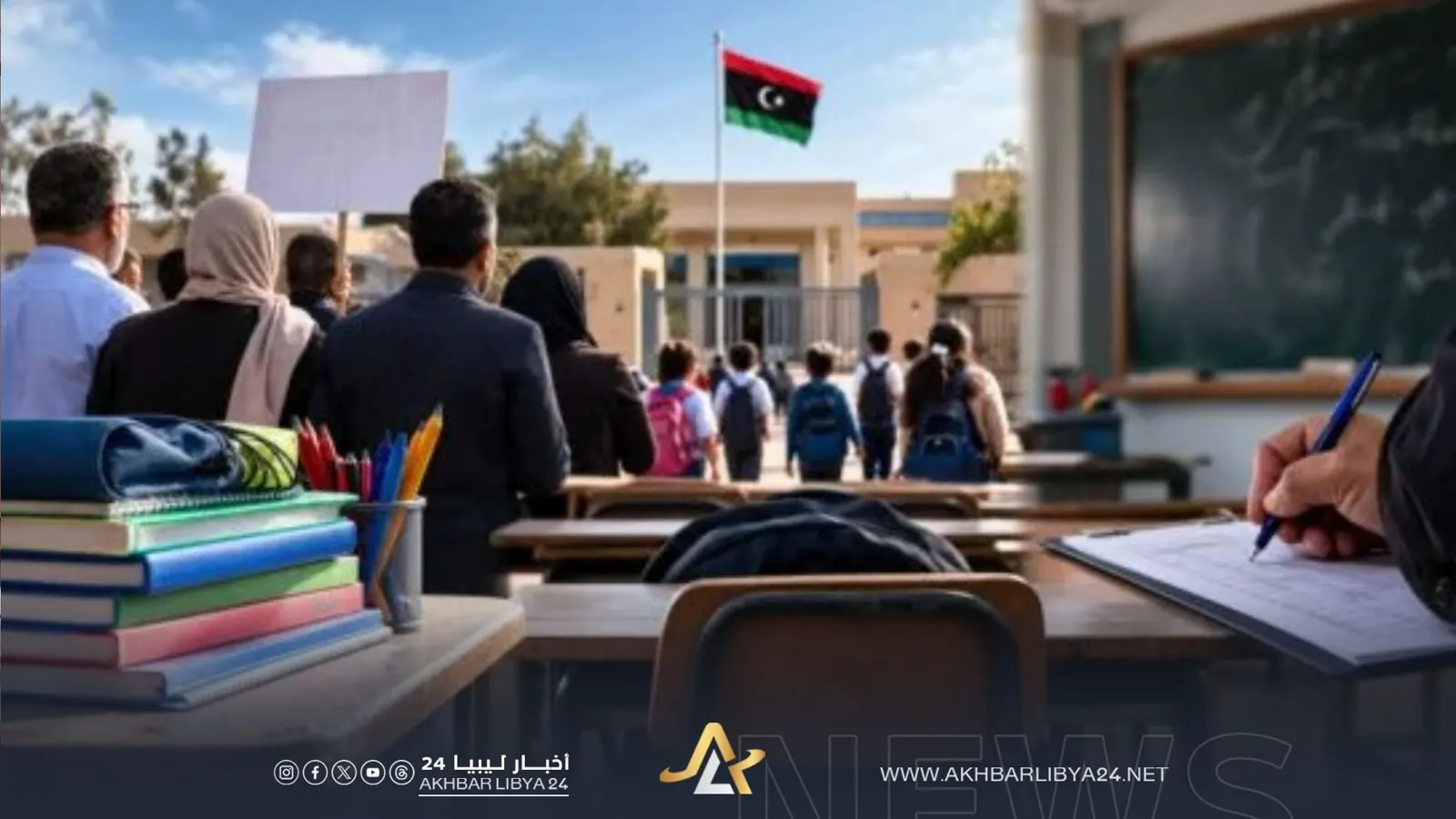
The Libyan teacher strike has entered a new phase, with educators demanding better salaries and improved working conditions. The strike, which began in several cities, has now spread to schools across the country, affecting thousands of students. According to Ashraf Borawi, head of the Tripoli Teachers' Union, the current salaries are not enough to cover the basic needs of teachers and their families.
The teachers' union is calling for a unified salary scale, which would bring salaries in line with the rising cost of living. The union also wants the government to settle outstanding debts to teachers, including allowances and differences in pay. Furthermore, the union is demanding improved healthcare benefits for teachers, which have yet to be provided. The situation has become increasingly dire, with teachers struggling to make ends meet.
The strike has significant implications for the education sector, with many schools forced to close. The Libyan government is under pressure to address the teachers' concerns, but so far, no agreement has been reached. The strike has also sparked concerns about the impact on students, who are already facing significant challenges in accessing quality education.
The teachers' union has warned that it will not back down until its demands are met. The union has also threatened to take legal action against any teachers who continue to work during the strike. The situation has become increasingly polarized, with the government and teachers' union at odds over how to address the crisis.
The strike has also highlighted the broader economic challenges facing Libya. The country has struggled with high inflation and a decline in living standards, which has had a significant impact on public sector workers, including teachers. The teachers' union is calling for a comprehensive solution that addresses the root causes of the crisis.
The international community is watching the situation closely, with many organizations expressing concern about the impact on education and human rights. The Libyan government has a responsibility to ensure that its citizens have access to quality education and a decent standard of living. The teachers' strike is a test of the government's ability to address these challenges.
As the strike continues, there are concerns about the long-term impact on the education sector. The Libyan government needs to find a solution that addresses the teachers' concerns and ensures that students have access to quality education. The situation remains fluid, with many stakeholders waiting to see how the crisis will be resolved.
Key points
- The Libyan teacher strike is a test of the government's ability to address the concerns of public sector workers.
- The strike has significant implications for the education sector and the broader economy.
- The teachers' union is demanding a unified salary scale, improved healthcare benefits, and settlement of outstanding debts.