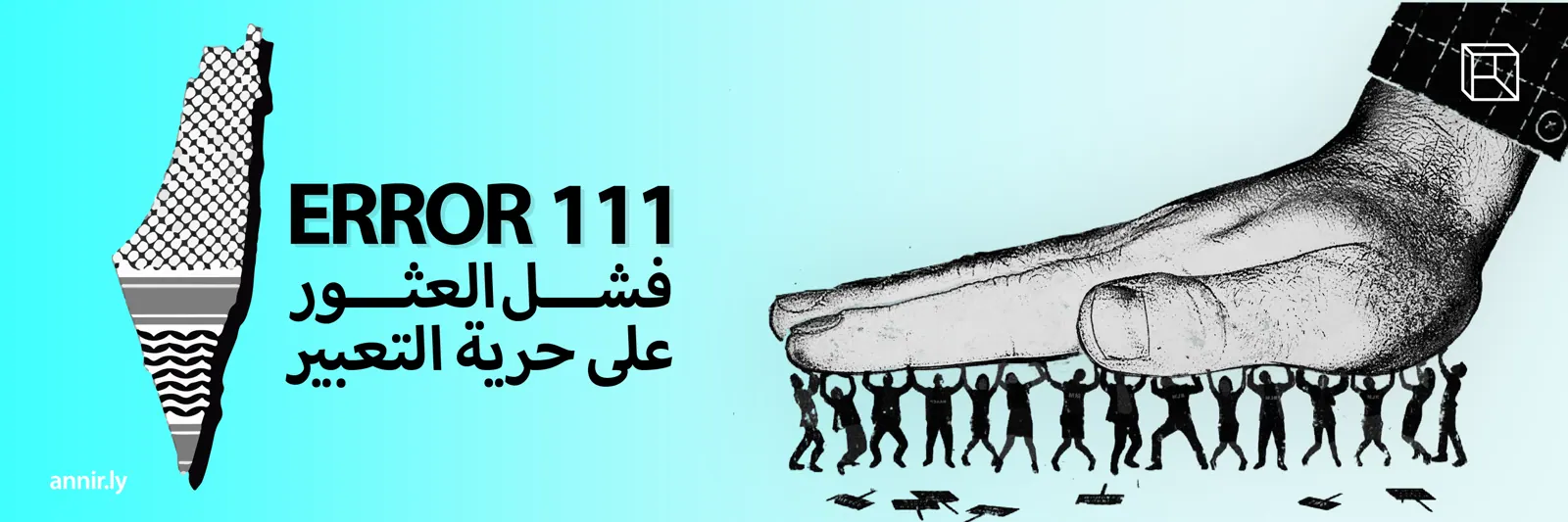
The issue of freedom of expression in the digital space has become a pressing concern in Libya and beyond. With the widespread use of social media and mobile devices, many believe that digital rights are fundamental human rights that should be universally accessible. However, recent events have challenged this notion, particularly with regards to the Israeli-Palestinian conflict. Many social media platforms have been accused of restricting and censoring content that supports the Palestinian narrative.
The restrictions on digital rights have not only affected activists and journalists but also ordinary users who express solidarity with the Palestinian cause. Several organizations have documented instances of hate speech and incitement to violence in Hebrew, which have been allowed to spread on social media platforms without being removed. This has raised concerns about the impartiality of these platforms and their commitment to upholding human rights.
The situation in Gaza has further highlighted the issue of digital rights. During the recent conflict, the internet and communication networks were cut off, leaving residents without access to information or the ability to communicate with the outside world. This has sparked concerns about the use of digital technologies as a tool for social control and the impact on civilians.
In response to these developments, several initiatives have emerged to promote digital rights and freedom of expression. One such initiative is the e-SIM Gaza project, which aims to provide internet access to residents in Gaza using innovative technologies. While such initiatives have had some success, they have also highlighted the challenges of promoting digital rights in areas affected by conflict.
The issue of digital rights has also raised questions about the role of social media platforms in regulating online content. Many have criticized these platforms for using double standards in their content moderation policies, allowing hate speech and incitement to violence to spread while restricting content that supports the Palestinian narrative.
The situation has also highlighted the difference between "ban" and "shadow ban" policies. While a ban is a clear restriction on a user's account, a shadow ban is a more subtle form of censorship that limits a user's visibility without their knowledge. This has raised concerns about the transparency and accountability of social media platforms.
The struggle for digital rights and freedom of expression in Libya and the Middle East is a complex issue that requires a multifaceted approach. It involves not only promoting awareness about digital rights but also advocating for policy changes and technological innovations that can support the free flow of information.
Key points
- Social media platforms have been accused of restricting and censoring content that supports the Palestinian narrative.
- The situation in Gaza has highlighted the issue of digital rights and the use of digital technologies as a tool for social control.
- Initiatives such as the e-SIM Gaza project have emerged to promote digital rights and freedom of expression in areas affected by conflict.