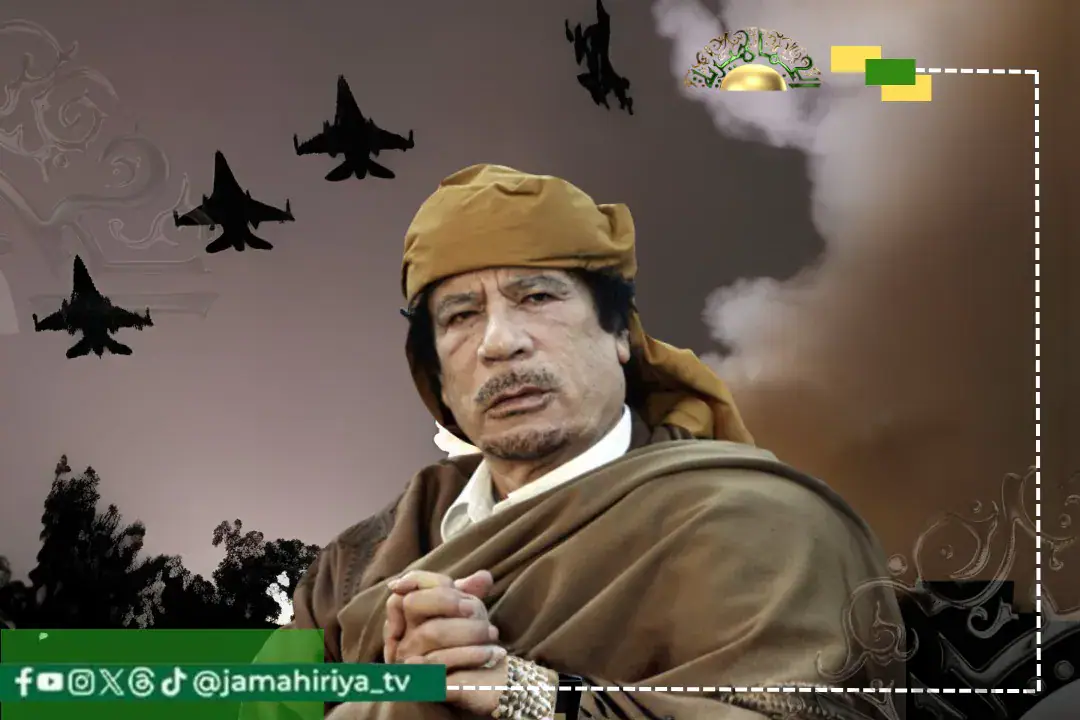
Egyptian writer and researcher in geopolitics and international conflicts, Mohamed Saad Abdel Latif, has analyzed the circumstances surrounding the death of Libyan leader Muammar Gaddafi. In an opinion piece for the Egyptian newspaper Al-Usbu', Abdel Latif noted that Gaddafi's death was not just the end of a ruler, but the beginning of a long period of turmoil and division. He pointed to UN Security Council Resolution 1973, which imposed a no-fly zone in 2011, but ultimately led to a NATO military intervention that changed the balance of power on the ground.
The intervention resulted in the collapse of Gaddafi's regime and his subsequent death. Abdel Latif argued that this event led to the disintegration of centers of power, the proliferation of weapons, and the multiplicity of authorities, making it difficult to subject the country to unified institutions. Gaddafi was leading an African project independent of Western dominance, promoting ideas related to financial and economic integration on the continent. His stance against major powers also contributed to the Western conflict with his regime.
Abdel Latif suggested that Gaddafi's project for an African currency backed by gold was a direct cause of his targeting. As a leader, Gaddafi sought to expand his influence in Africa and the Arab world, using Libya's wealth and political tools to build changing relationships and alliances. This made him a source of concern for some powers and a partner for others. The researcher emphasized that understanding the circumstances surrounding Gaddafi's death requires examining the intersection of internal uprising, international intervention, and regional interests.
Fifteen years after Gaddafi's death, Libya continues to face the consequences of state collapse and conflicting centers of power. The country remains divided politically and institutionally, with multiple authorities and a struggle for legitimacy and resources. In the west, authorities are based in Tripoli, while the eastern camp relies on the House of Representatives and Khalifa Haftar's forces. The involvement of local, regional, and international calculations has made oil, public revenues, and sovereign institutions key elements in the conflict.
Libya's large oil wealth and relatively small population should have provided a foundation for a stable and prosperous state. However, the proliferation of weapons, weak institutions, and multiple decision-making centers have turned this wealth into part of the conflict equation rather than a basis for development. The country's ongoing turmoil raises questions about the role of economic and strategic calculations in Gaddafi's downfall.
The situation in Libya has sparked debate about the impact of external interventions on the country's stability. The international community has been unable to help Libya achieve a lasting resolution to its conflict. The continued presence of multiple authorities and centers of power has hindered efforts to establish a unified government.
As Libya marks 15 years since Gaddafi's death, the country's future remains uncertain. The international community continues to watch developments in the country, with many hoping for a peaceful resolution to the ongoing conflict.
Key points
- Libya still faces turmoil 15 years after Gaddafi's death.
- The country's large oil wealth has not translated into stability or prosperity.
- External interventions have contributed to Libya's ongoing instability.