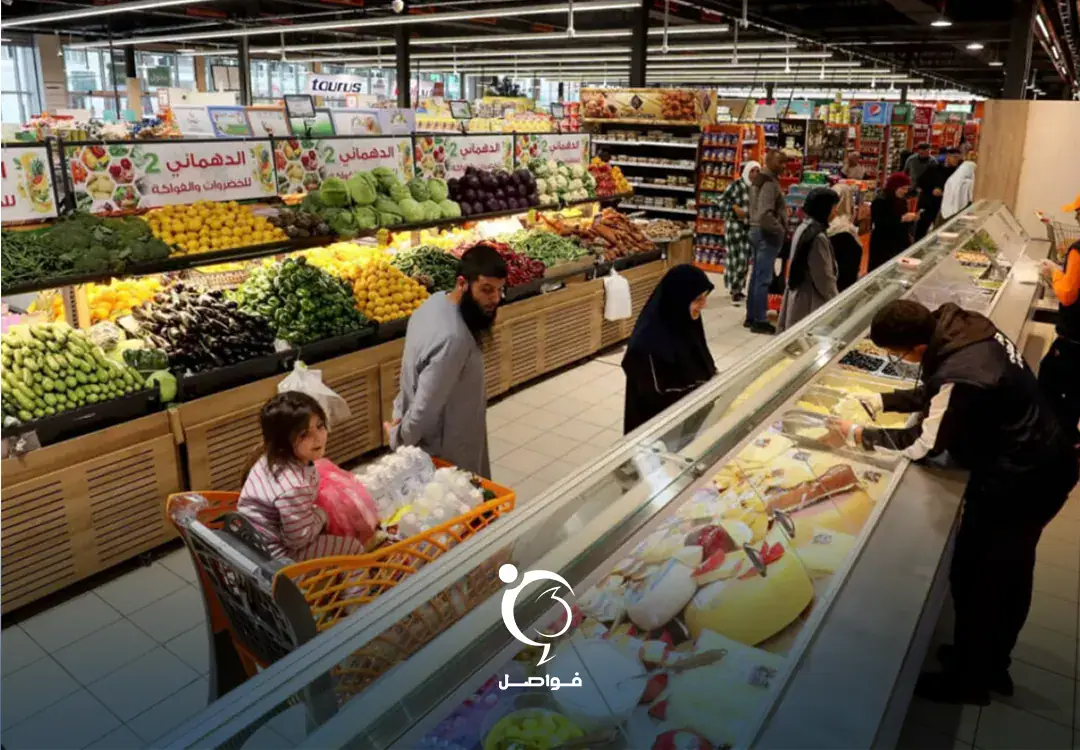
Libya has witnessed a notable surge in prices of various food items, with some goods experiencing a 40% increase in value. The price of flour has seen a significant rise, approaching 100%, according to Jamal Awid, Deputy Head of the Price Stabilization Fund. This increase is attributed to the rise in foreign currency prices in the parallel market. Awid mentioned that the price hikes have affected imported goods, particularly oils, rice, and grains.
The Price Stabilization Fund continues to provide essential goods in the same quantities, without increasing the allocated market quantities, in an attempt to curb rising prices. This is the first official comment on the recent price increases in the local market. The Libyan government has not yet announced solutions to address the rising cost of living or mitigate the impact of exchange rate fluctuations on the market.
Ali Abu Azza, head of the Supreme Committee for Monitoring Bakeries, reported that the price of a quintal of flour has reached 425 dinars in some areas, compared to 275 dinars in August, an increase of 150 dinars. He added that Libya's reliance on wheat imports makes flour and bread prices linked to global prices, shipping costs, and the availability of foreign currency.
These price increases coincide with rising inflationary pressures, with the International Monetary Fund reporting a 14% annual inflation rate in Libya in October, up from 9% in February. The inflation rate was 16.6% in September, according to local data. The parallel market exchange rate has approached 10 dinars per dollar, compared to 6.42 dinars in the official market, a difference of over 55%.
The high exchange rate difference increases import costs and pressures on purchasing power, especially since Libya relies on imports to cover over 75% of its food needs. In October, the Ministry of Economy announced the implementation of a direct sales mechanism for flour to bakeries, with the participation of five factories and companies, to reduce distribution channels and ensure supplies.
Despite this initiative, the continued rise in prices raises questions about its ability to control the market and mitigate the impact of exchange rate fluctuations on commodity prices. The situation highlights the challenges faced by Libya in managing its economy, particularly in the face of rising inflation and exchange rate volatility.
The price increases have significant implications for the country's residents, who are already facing economic challenges. The government's efforts to address these issues will be crucial in determining the country's economic trajectory. The situation will likely continue to be monitored closely by economic analysts and policymakers.
Key points
- Prices of some goods in Libya have risen by 40%, with flour prices nearing a 100% increase.
- The price hikes are attributed to the rise in foreign currency prices in the parallel market.
- Libya's reliance on imports makes it vulnerable to fluctuations in global prices and exchange rates.