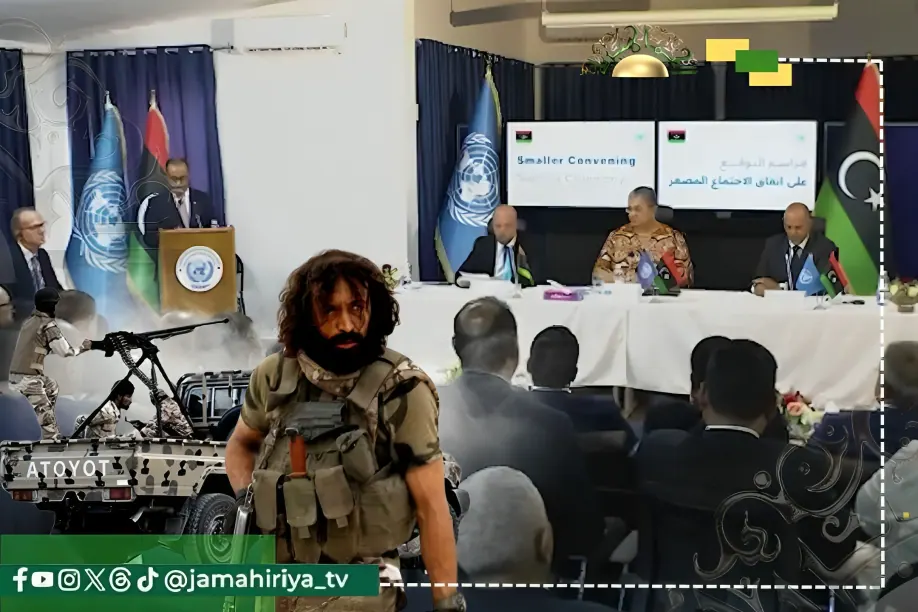
On August 30, Libya signed the 4+4 agreement, a deal that could potentially restart the country's stalled electoral process. The agreement was hailed by international and diplomatic parties as a crucial step towards resolving Libya's long-standing political crisis. According to a report by "Al-Majalla" magazine, the agreement addresses some of the key differences between the country's rival political factions. However, some activists and politicians have expressed concerns about the implications of the deal on Libya's future governance structure and the powers of elected institutions.
The 4+4 agreement includes several key provisions, such as reducing the powers of the future parliament and granting the president significant authority. The deal also allows military personnel to participate in the electoral process. While some parties view this as a necessary step towards ending the transitional phase, others fear it could lead to military figures dominating the country's politics. On September 14, the Libyan House of Representatives reconvened after an eight-month hiatus, with over 30 lawmakers in attendance. They voted on the agreement in a closed session.
The United Nations welcomed the agreement, seeing it as a positive development that could help move Libya's political process forward. The deal has also sparked interest from international companies looking to return to Libya's market. The country's oil production has been increasing, reaching levels not seen since 2011. However, despite this progress, many Libyans continue to face significant economic challenges. The Libyan dinar has depreciated to around 10 dinars per dollar on the parallel market, and prices for basic goods have risen.
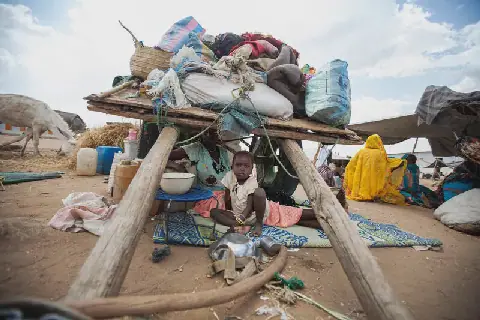
The economic challenges facing Libyans are compounded by poor living conditions. Many parts of eastern and western Libya experience frequent and prolonged power outages. Long queues for fuel persist, despite the country importing large quantities of petroleum products. Citizens also report difficulties accessing basic services and dealing with government and banking institutions without connections or influence. Corruption remains a significant concern.
A recent report highlights the stark contrast between Libya's advancing politics and declining living standards. While the country has made progress on the political front, many citizens struggle to make ends meet. The report concludes that Libya faces a clear paradox: on one hand, there is progress on the political and economic fronts, but on the other, living conditions and public services continue to deteriorate.
As Libya moves forward with implementing the 4+4 agreement, many questions remain about the country's future. The success of the deal will depend on its ability to address the concerns of Libyans and improve living standards. The international community will be watching closely, as Libya's stability has significant implications for regional security. The agreement's impact on the country's military and political landscape will also be crucial in determining its long-term success.
In the coming months, Libyans will be closely watching the implementation of the 4+4 agreement. The country's leaders face significant challenges in addressing the country's many problems, from economic woes to poor living conditions. The international community's support will be essential in helping Libya navigate this critical period.
Key points
- The 4+4 agreement aims to restart Libya's stalled electoral process.
- Critics warn that the deal could lead to military influence and declining living standards.
- Libya's economy shows signs of improvement, but many citizens struggle with poverty and poor living conditions.