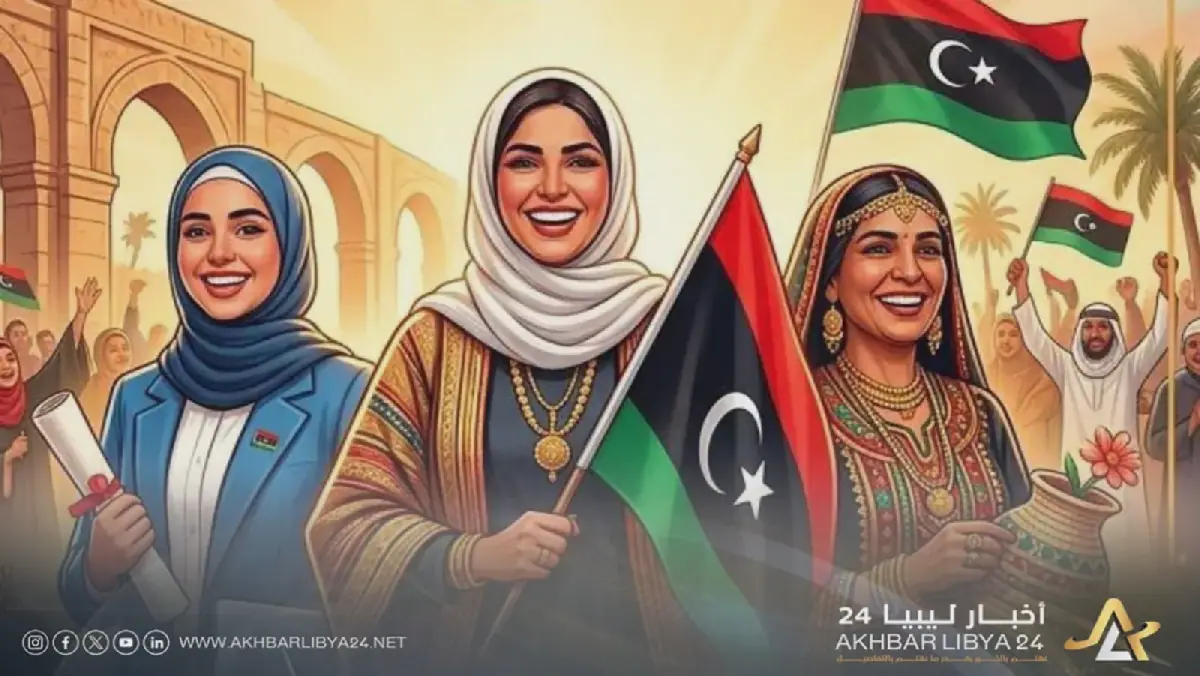
A recent gathering in the eastern Libyan city of Benghazi brought together women's rights activists, lawmakers, and election officials to discuss ways to increase female representation in politics. The meetings, which took place on October 27 and 28, 2026, aimed to push for a 35% quota for women in top government positions. This move is seen as a crucial step towards ensuring women's participation in the country's decision-making processes.
The push for greater female representation comes as Libya continues to navigate a complex and often contentious political landscape. The country's women have long been underrepresented in politics, with many calling for greater opportunities for them to participate in the country's governance. According to Asia Al-Shwehedi, a member of the Structured Dialogue Committee, these efforts are an extension of a long-standing campaign that began with the launch of the "30% We Start It" initiative in 2017.
The Benghazi meetings brought together a range of stakeholders, including lawmakers, academics, and women's rights activists. They discussed ways to overcome the legal and institutional barriers that have limited women's participation in politics. One of the key proposals was to amend the 2014 law governing elections to increase the quota for women in parliament. Others called for a constitutional amendment to guarantee a 35% representation for women in top government positions.
The issue of women's representation is closely tied to the broader question of Libya's political future. The country has struggled to establish a stable and inclusive government since the 2011 uprising that overthrew Muammar Gaddafi. Many argue that greater female representation is essential for building a more representative and effective government. According to Dr. Amira Al-Magribi, a participant in the Benghazi meetings, the issue is not just about numbers, but about creating a more inclusive and participatory political system.
The meetings in Benghazi also highlighted the need for greater international and domestic support for women's rights in Libya. Many participants emphasized the importance of working with international partners to build a more stable and inclusive political system. According to Fatihia Al-Bakbaki, a representative of the General Women's Union, this will require a sustained effort to build a more just and equal society.
The push for greater female representation in Libya comes as the country faces significant challenges, including ongoing conflict and a deepening economic crisis. Many argue that building a more inclusive and representative government is essential for addressing these challenges and creating a more stable and prosperous future for all Libyans.
The success of the women's movement in Libya will depend on the government's willingness to implement the proposed reforms. According to Al-Shwehedi, the women of Libya are not just seeking symbolic representation, but a genuine opportunity to participate in the country's decision-making processes. The government will need to take concrete steps to address the concerns of women's rights activists and ensure that their voices are heard.
Key points
- Women's groups in Libya are demanding a 35% representation in top government positions.
- The push for greater female representation is seen as crucial for building a more inclusive and effective government.
- The issue is closely tied to the broader question of Libya's political future and the need for a more stable and inclusive government.