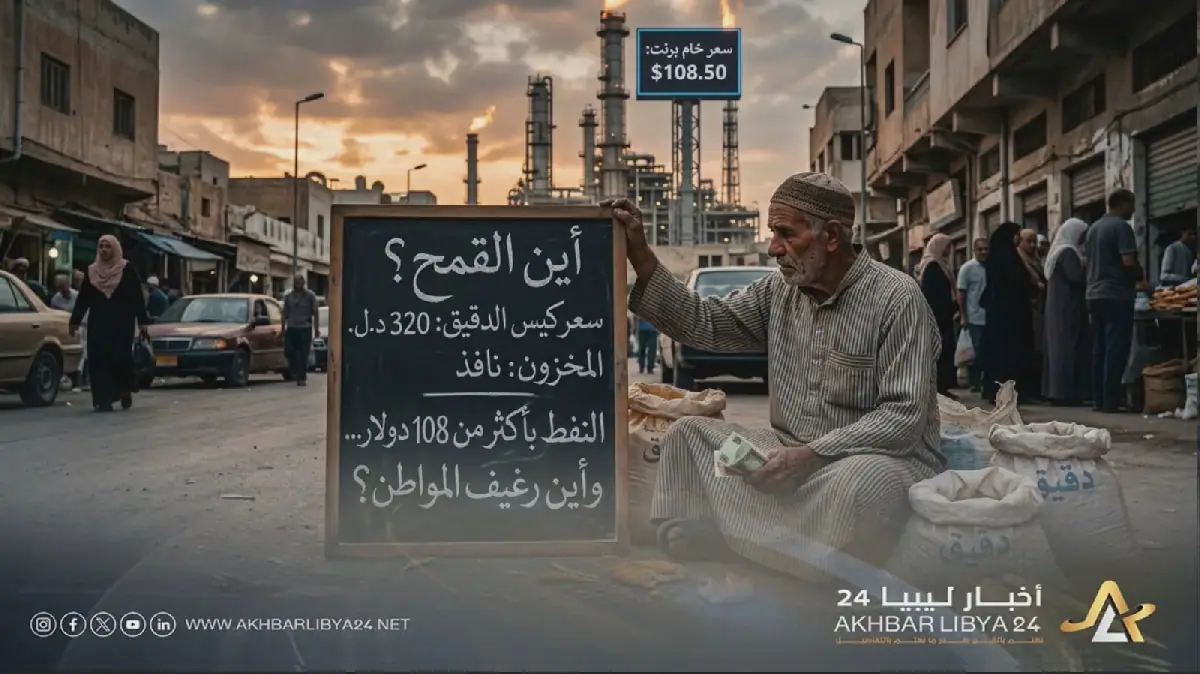
Libya is facing increasing challenges in securing wheat imports due to ongoing shipping disruptions in the Black Sea. The country's heavy reliance on imports from Russia and Ukraine, which accounted for over 80% of its wheat imports in 2025, has raised concerns about the stability of its food supply. Any disruption to shipping or increase in transportation costs could have significant impacts on Libya's market.
A report by S&P Global highlighted that Libya, along with Egypt, Tunisia, and Algeria, is among the most exposed Arab countries to the risks associated with Black Sea shipping disruptions. The report noted that these countries rely heavily on wheat imports from Russia and Ukraine, making them vulnerable to any changes in the region's trade dynamics. This reliance on a single trade route poses significant risks to the food security of these nations.
The Libyan market is particularly susceptible to changes in global wheat prices and shipping costs due to its high dependence on imports. With over four-fifths of its wheat imports coming from Russia and Ukraine, any disruption to these supplies could lead to shortages or price increases. This situation is further complicated by the potential for increased transportation costs and insurance premiums, which could add to the financial burden on Libyan importers.
The risks associated with Black Sea shipping disruptions extend beyond Libya, affecting other major Arab importers of wheat, including Egypt, Tunisia, and Algeria. In Egypt, for example, over 80% of wheat imports during the first nine months of 2026 came from Russia and Ukraine. This reliance on a single source of supply increases the vulnerability of these countries to geopolitical and logistical challenges in the region.
Shipping disruptions in the Black Sea have raised concerns about the ability of importing countries to secure timely deliveries of wheat. Delays or increases in shipping costs could have significant impacts on the ability of these countries to meet their food needs. This situation highlights the importance of diversifying import sources and routes to mitigate the risks associated with reliance on a single trade route.
The current situation underscores the need for countries like Libya to diversify their wheat import sources and reduce their dependence on a single trade route. By exploring alternative suppliers and routes, Libya and other affected countries can reduce their vulnerability to disruptions in the Black Sea region. This approach can help ensure a more stable food supply and reduce the risks associated with reliance on a single source of imports.
The food security of Libya and other countries in the region is closely tied to the stability of global wheat markets and trade routes. As the situation in the Black Sea continues to evolve, it is essential for these countries to monitor developments closely and develop strategies to mitigate the risks associated with disruptions to wheat imports. By taking proactive steps, Libya and other affected countries can help ensure the stability of their food supplies and reduce the impact of global trade disruptions.
Key points
- Libya's heavy reliance on wheat imports from Russia and Ukraine makes it vulnerable to Black Sea shipping disruptions.
- The country's food security is threatened by the potential for shortages or price increases due to disruptions to wheat imports.
- Diversifying import sources and routes can help reduce the risks associated with reliance on a single trade route.