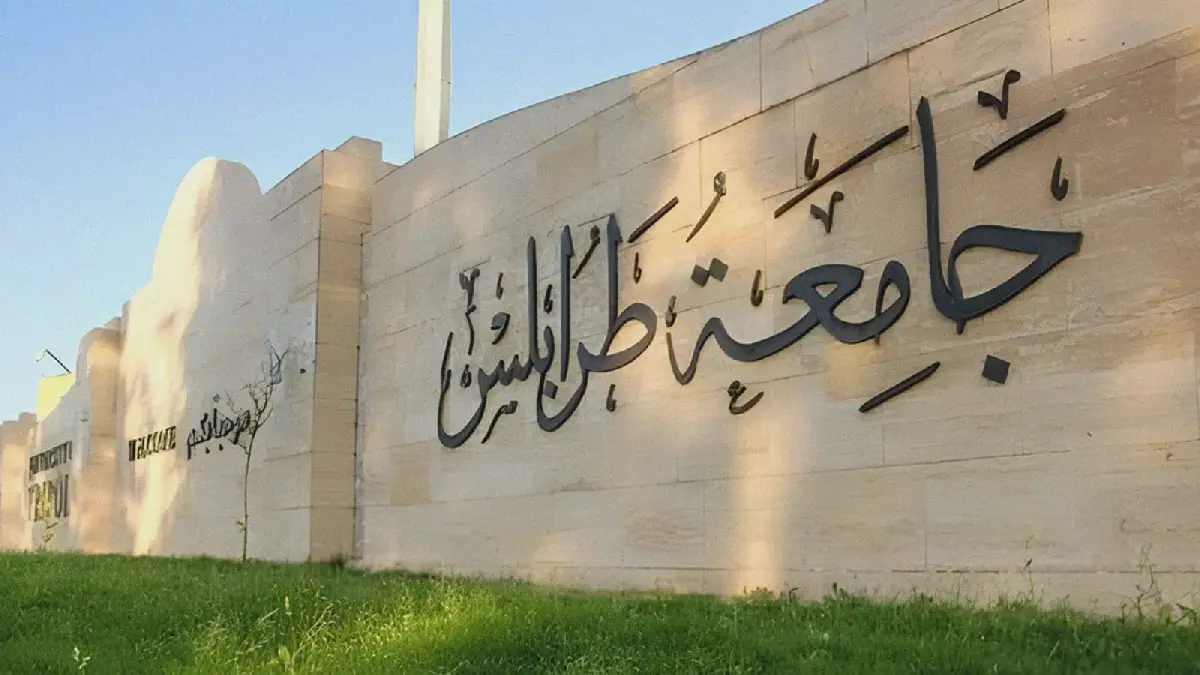
The Libyan Association of University Professors at the University of Tripoli has warned of a comprehensive strike and cessation of studies if any action is taken that affects or diminishes their salaries. In a statement, the association emphasized that their salaries represent a red line that they will not allow to be crossed, considering any interference with them as a direct attack on their rights and dignity.
The warning comes amid discussions on a unified salary scale, which the association is following with concern and interest. They are in constant session and coordination with the General Association of Libyan University Professors. This development follows a meeting between the House of Representatives' Financial Committee and the Minister of Finance, Rashid Abu Ghufa, to discuss a proposed law on a unified salary system.
The proposed law aims to achieve social justice and financial sustainability, with a focus on accelerating procedures to meet salary-related demands and align with the country's economic situation. The discussions highlight the need for swift action to address the concerns of various groups, including educators who have been on strike since September 13, demanding better financial and professional conditions.
The educators' movement, which escalated to a general strike on September 27, continues with protests and strikes, insisting on receiving delayed financial differences, implementing a unified salary scale, and activating health insurance. They stress that returning to studies depends on the actual implementation of their demands, not just commitments.
The situation at the University of Tripoli and other educational institutions remains tense, with the association reiterating its commitment to protecting its members' rights. The unified salary scale has become a critical issue, with various groups pushing for changes that address their financial concerns and provide a more equitable distribution of resources.
As the discussions on the unified salary scale continue, the Libyan Association of University Professors remains vigilant, prepared to take further action if their demands are not met. The ongoing uncertainty has significant implications for the education sector, which has already faced disruptions due to the protests and strikes.
The Libyan government faces mounting pressure to address the salary concerns of various groups, including educators and university professors. Finding a solution that balances financial sustainability with social justice and meets the demands of different sectors will be crucial in resolving the current crisis and ensuring the stability of the education sector.
Key points
- The Libyan Association of University Professors warns of a comprehensive strike if their salaries are reduced.
- The proposed unified salary scale aims to achieve social justice and financial sustainability.
- Educators have been on strike since September 13, demanding better financial and professional conditions.