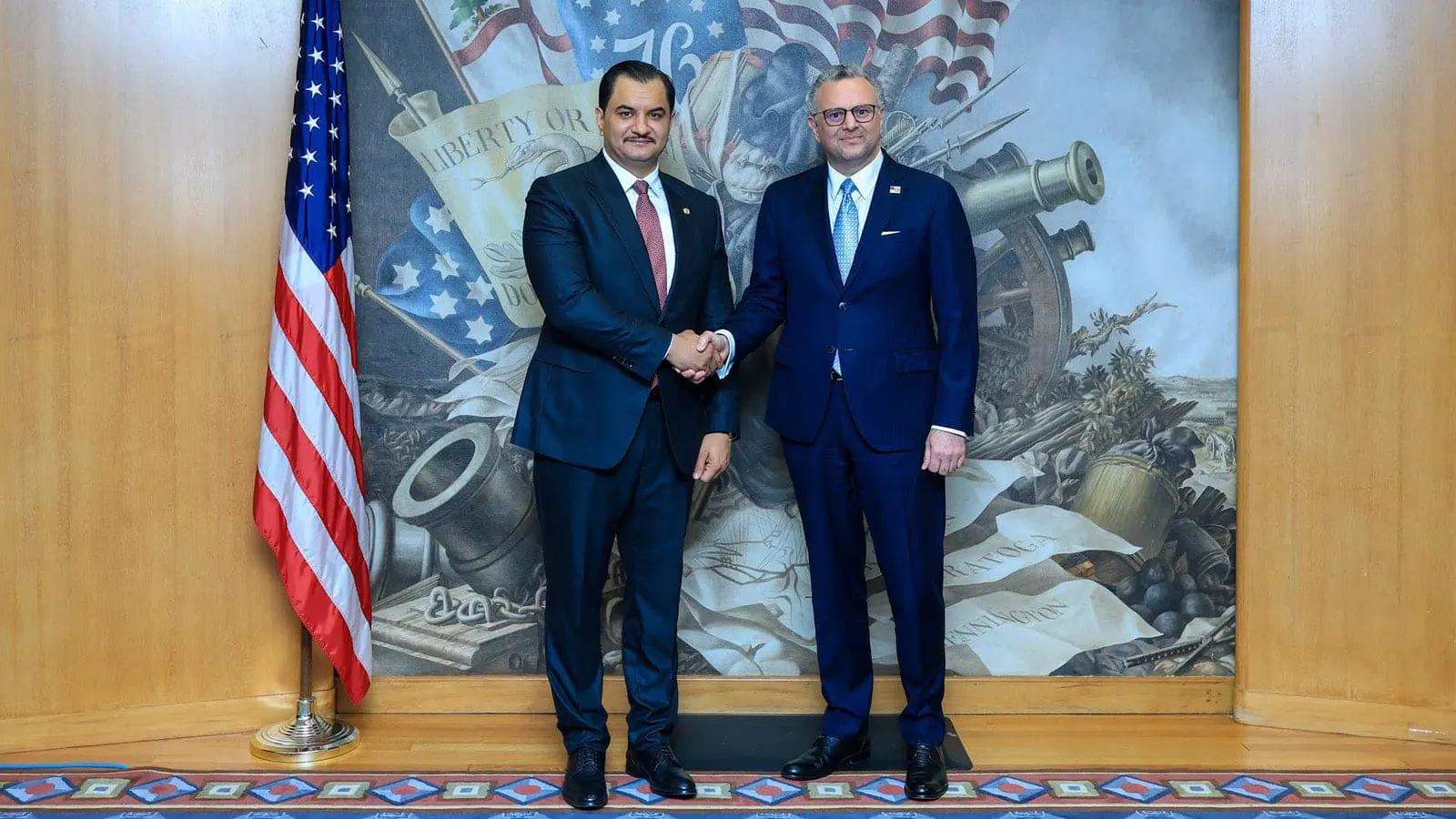
Libya's unity government has deemed it impossible to work with Saddam Hifter, a key figure in the country's eastern-based government, due to allegations of his involvement in recent attacks on fuel facilities. According to a report by The Guardian, talks on a plan to merge the eastern and western governments, proposed by US President Donald Trump's adviser, Masood Pulus, have stalled. The plan had suggested that Saddam Hifter would take on a presidential role, while a member of the Dbeiba family would lead the government.
The plan to merge the two governments has faced significant challenges, with allegations of Saddam Hifter's involvement in attacks on fuel facilities in the city of Zawiya. The attacks, which occurred in August, were reportedly carried out by a cell using drones and were seen as a response to delays in implementing the proposed merger. The allegations have raised concerns about Hifter's role in the country's future and have sparked tensions between his supporters and opponents.
Sources within the unity government have told The Guardian that the allegations against Saddam Hifter make it impossible to work with him. The development has significant implications for the proposed merger and for UN-brokered talks aimed at resolving the country's conflict. The situation has also raised concerns about the potential for further instability and conflict in the country, which has struggled with rival governments and armed groups since the overthrow of Muammar Gaddafi in 2011.
The unity government's stance on Saddam Hifter has been influenced by the views of Minister of State for Political Affairs, Walid Al-Lafi. Al-Lafi has expressed support for a different approach to resolving the country's conflict, one that prioritizes the rights of those affected by past abuses and promotes a more inclusive and democratic process. He has also highlighted the need for any political solution to address the grievances of those who have been marginalized or displaced.
The allegations against Saddam Hifter have also raised questions about the future of the Hifter family's influence in Libyan politics. The Hifter family has been a dominant force in the country's eastern region, with Khalifa Hifter, the patriarch, wielding significant influence. However, his sons, including Saddam, Khalid, and Belqasim, have been vying for power and influence, with tensions between them potentially destabilizing the region.
The situation in Libya remains complex, with multiple factions and interest groups vying for power and influence. The unity government's decision to rule out working with Saddam Hifter has significant implications for the country's future, and it remains to be seen how the situation will evolve in the coming weeks and months. The international community, including the UN, will be watching closely for any developments that could impact the country's stability and prospects for peace.
The developments in Libya have also raised concerns about the role of external actors in the country's conflict. Countries such as the United Arab Emirates and Egypt have been accused of supporting different factions in the conflict, which has further complicated the situation. The international community has called for a peaceful and inclusive resolution to the conflict, but the path forward remains uncertain.
Key points
- Libya's unity government has deemed it impossible to work with Saddam Hifter due to allegations of his involvement in attacks on fuel facilities.