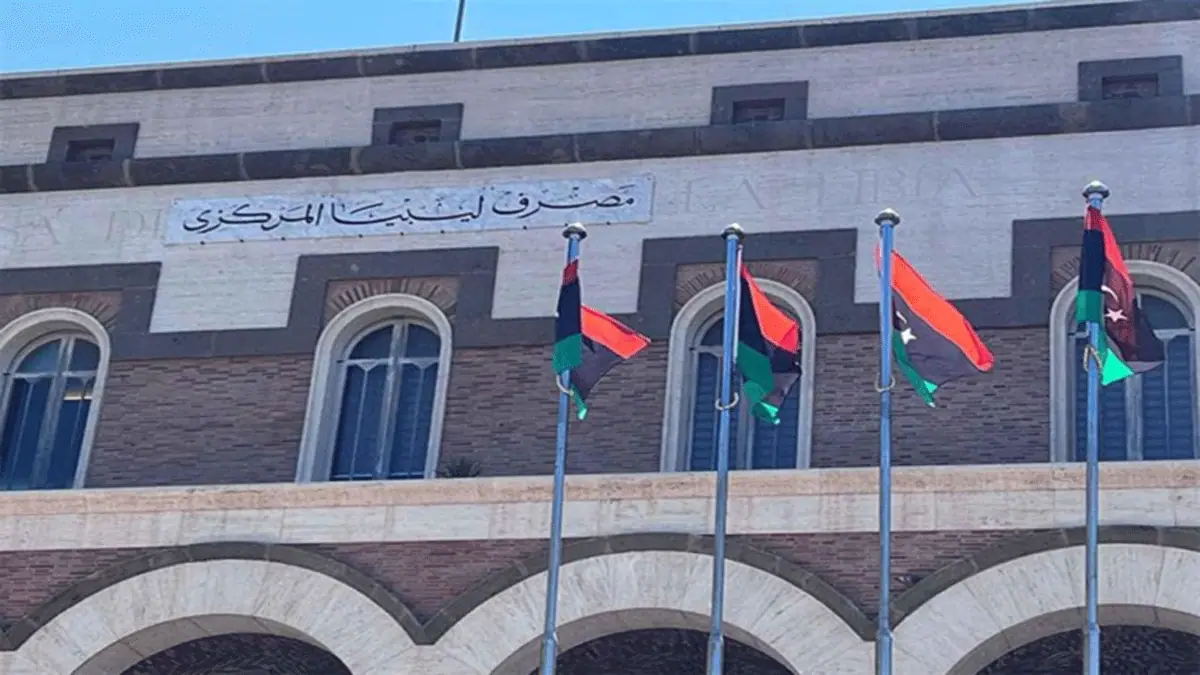
On November 16, 2026, the Governor of Libya's Central Bank met with the Minister of Finance and technical teams from both institutions to discuss the adoption of a unified national budget. The meeting aimed to harmonize public expenditure frameworks and strengthen budgetary discipline. According to the official communiqué published on November 17, 2026, this move seeks to coordinate public spending decisions and enhance institutional cooperation.
The unified budget has been a longstanding goal for Libya, with the Central Bank emphasizing its necessity for effective economic management. In April 2026, the bank announced the adoption of a unified budget for the first time in over 13 years, following an agreement between rival legislative bodies. However, the latest meeting indicates that the issue of actual economic reunification remains a pressing concern.
A unified budget would enable Libya to better coordinate financial commitments and make more coherent public decisions. Nevertheless, having a shared framework does not guarantee uniform execution of expenditures, which requires effective decision-making, monitoring, and control mechanisms. The Central Bank also links this effort to institutional reforms and the fight against money laundering, terrorism financing, and corruption.
Despite the technical coordination announced, no new budget amount, adoption timeline, or implementation details were disclosed. This distinction is crucial, as previous agreements have not always translated into tangible results. The Central Bank's insistence on coordination while respecting its independence and legal prerogatives suggests a cautious approach to economic reunification.
The next test for Libya's economic reunification will be the ability of its institutions to translate commitments into verifiable and enforceable common budgetary rules. The Central Bank's efforts to promote a unified budget are part of a broader strategy to stabilize Libya's economy and promote sustainable growth.
The meeting between the Central Bank and the finance ministry signals a degree of cooperation between financial authorities. However, the lack of concrete details on the budget's implementation raises questions about the pace of progress. Libya's economic challenges are complex, and addressing them will require sustained efforts from all stakeholders.
The development highlights the ongoing challenges facing Libya's economy and the importance of institutional cooperation in addressing them. As the country navigates its economic reunification, the international community will be watching for signs of progress.
Key points
- Libya's Central Bank and finance ministry met on November 16, 2026, to discuss a unified national budget.
- A unified budget aims to harmonize public expenditure frameworks and strengthen budgetary discipline.
- The implementation of a unified budget requires effective decision-making, monitoring, and control mechanisms.