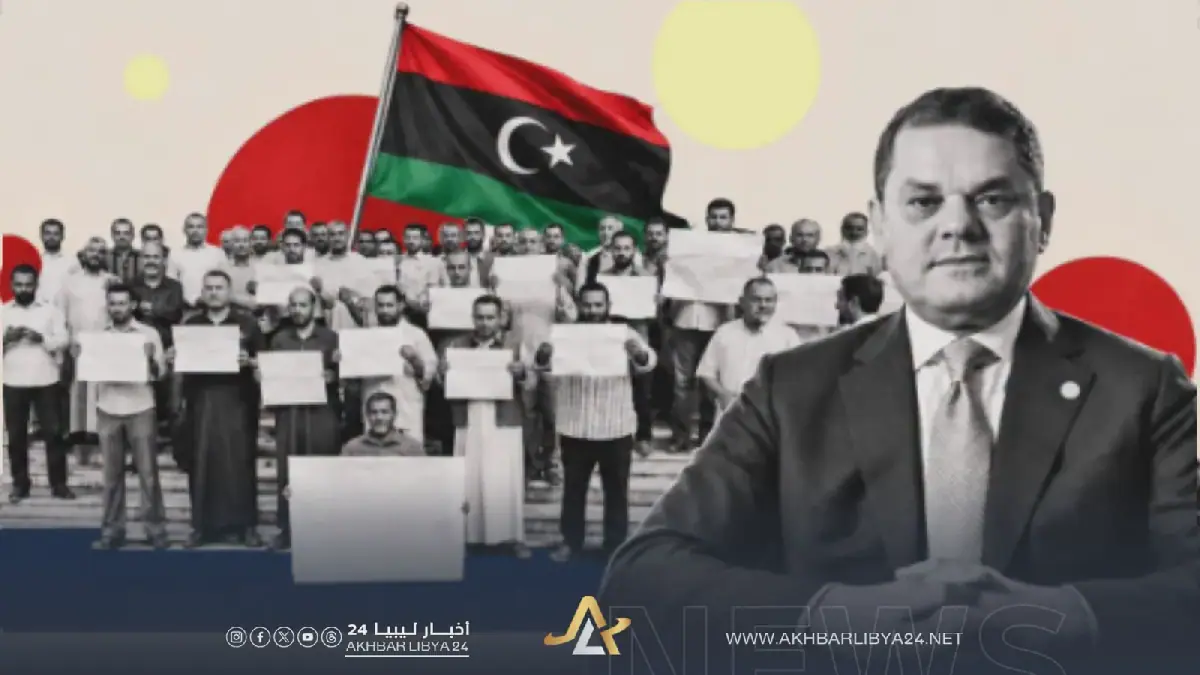
The ongoing teacher strike in Libya has entered its third month, with thousands of students unable to attend school. The strike, which began as a demand for better salaries, has become a test of the government's ability to address the country's deepening economic and administrative crisis. The strike has left students, parents, and teachers frustrated, with many calling for a resolution to the crisis.
The crisis has been attributed to the government's failure to address the country's economic woes, including a decline in the value of the Libyan dinar and rising living costs. The situation has been further exacerbated by a shortage of cash, fuel, and gas, as well as a decline in public services. Mustafa al-Bakbak, a member of the High Council of State, has criticized the government's handling of the crisis, saying that it has failed to provide a solution to the teachers' demands.
Al-Bakbak has also accused the government of being out of touch with the reality of everyday life for Libyans. He argues that the government's failure to address the economic crisis has had a devastating impact on the country's education system, with teachers struggling to make ends meet on low salaries. The situation has led to a decline in the quality of education, with many teachers forced to seek alternative employment to supplement their income.
The crisis has also highlighted the need for greater transparency and accountability in government. Al-Bakbak has criticized the head of the Administrative Control Authority, Abdulaziz Al-Mansour, for his handling of the crisis, saying that he has failed to address the root causes of the problem. He has also accused Al-Mansour of using the crisis to further his own political interests.
The teacher strike has also exposed the deep-seated problems of corruption and cronyism in Libya. Al-Bakbak has argued that the country's institutions are weak and that the government has failed to address the issue of corruption. He has called for greater transparency and accountability in government, saying that this is essential for addressing the country's economic and administrative crisis.
The situation in Libya has been further complicated by the involvement of external actors. The country has been subject to various forms of interference, including from neighboring countries and international powers. This has further exacerbated the crisis, making it more difficult to find a solution.
The Libyan government faces a significant challenge in addressing the country's economic and administrative crisis. The teacher strike has highlighted the need for urgent action to address the country's problems, including a decline in the value of the Libyan dinar, rising living costs, and a shortage of cash, fuel, and gas.
Key points
- The teacher strike in Libya has entered its third month, with thousands of students unable to attend school.
- The crisis has been attributed to the government's failure to address the country's economic woes.
- The situation has highlighted the need for greater transparency and accountability in government.