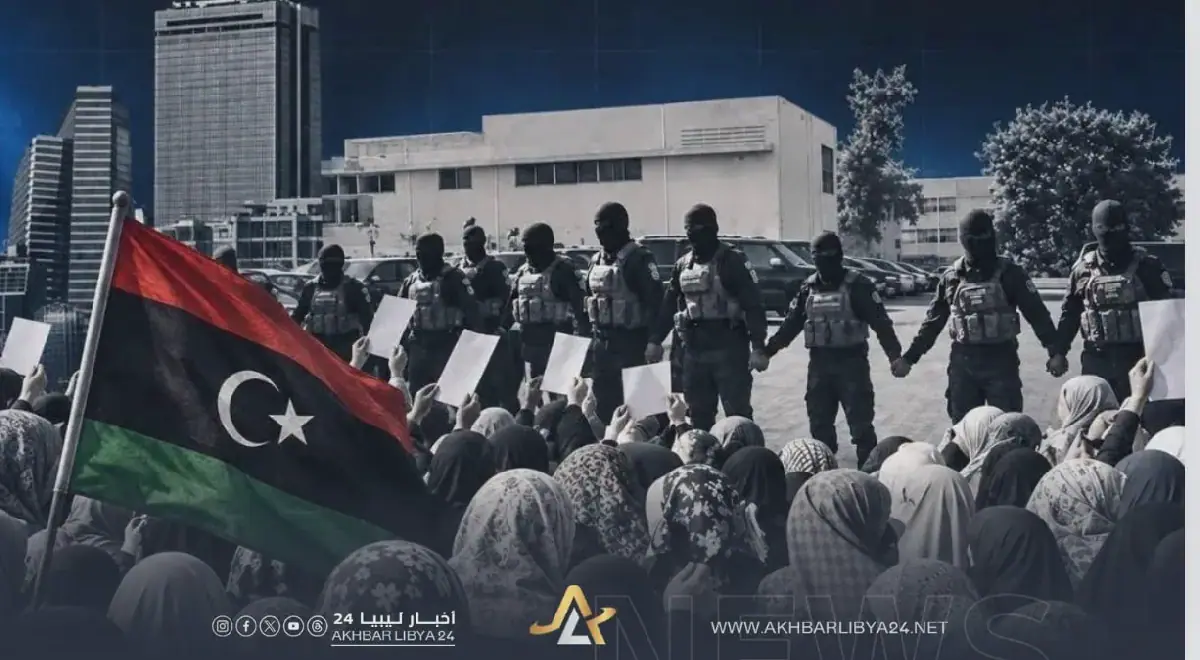
The teacher strike in Libya has continued into its third month, with the Libyan Teachers' Union standing firm in their demands for improved salaries and working conditions. Despite government efforts to address the issue, the strike has persisted, causing significant disruptions to the education sector. The strike began in September, with teachers demanding better pay and benefits, and has since spread to various parts of the country.
The strike has had far-reaching consequences, affecting not only the education sector but also the broader community. Parents and students have been left uncertain about the future of the academic year, with many schools forced to close due to the lack of teachers. The Libyan government has attempted to mitigate the effects of the strike by offering temporary solutions, but these have been met with skepticism by the teachers' union.
In an effort to pressure the government into meeting their demands, the teachers' union has implemented a series of escalating measures, including the suspension of all educational activities. The union has also received support from some parents and community members, who understand the importance of improving teachers' working conditions. However, the prolonged nature of the strike has begun to test this support.
The government has responded to the strike by attempting to negotiate with the teachers' union, but so far, no agreement has been reached. The government has also sought to bypass the union by encouraging some schools to reopen independently, but this approach has been met with resistance from teachers. The situation remains tense, with both sides dug in and unwilling to compromise.
The strike has also highlighted deeper issues within Libya's education sector, including a lack of resources and infrastructure. The sector has long been plagued by problems, including outdated textbooks, inadequate facilities, and a shortage of qualified teachers. The strike has brought these issues to the forefront, with many arguing that the government's failure to address them has contributed to the current crisis.
The Libyan government faces a significant challenge in resolving the strike, which has become a test of its authority and ability to manage the country's affairs. The government must balance the competing demands of teachers, parents, and students, while also addressing the broader issues affecting the education sector. Failure to do so could have long-term consequences for the country's future.
As the strike continues, the international community is watching closely, concerned about the impact on Libya's stability and development. The country's education sector is critical to its future growth and prosperity, and a resolution to the strike is essential to ensuring that students receive the education they deserve. The Libyan government must work with the teachers' union and other stakeholders to find a solution that addresses the root causes of the crisis.
Key points
- The teacher strike in Libya has entered its third month, with educators demanding better pay and working conditions.
- The strike has had far-reaching consequences, affecting not only the education sector but also the broader community.
- The Libyan government faces a significant challenge in resolving the strike, which has become a test of its authority and ability to manage the country's affairs.