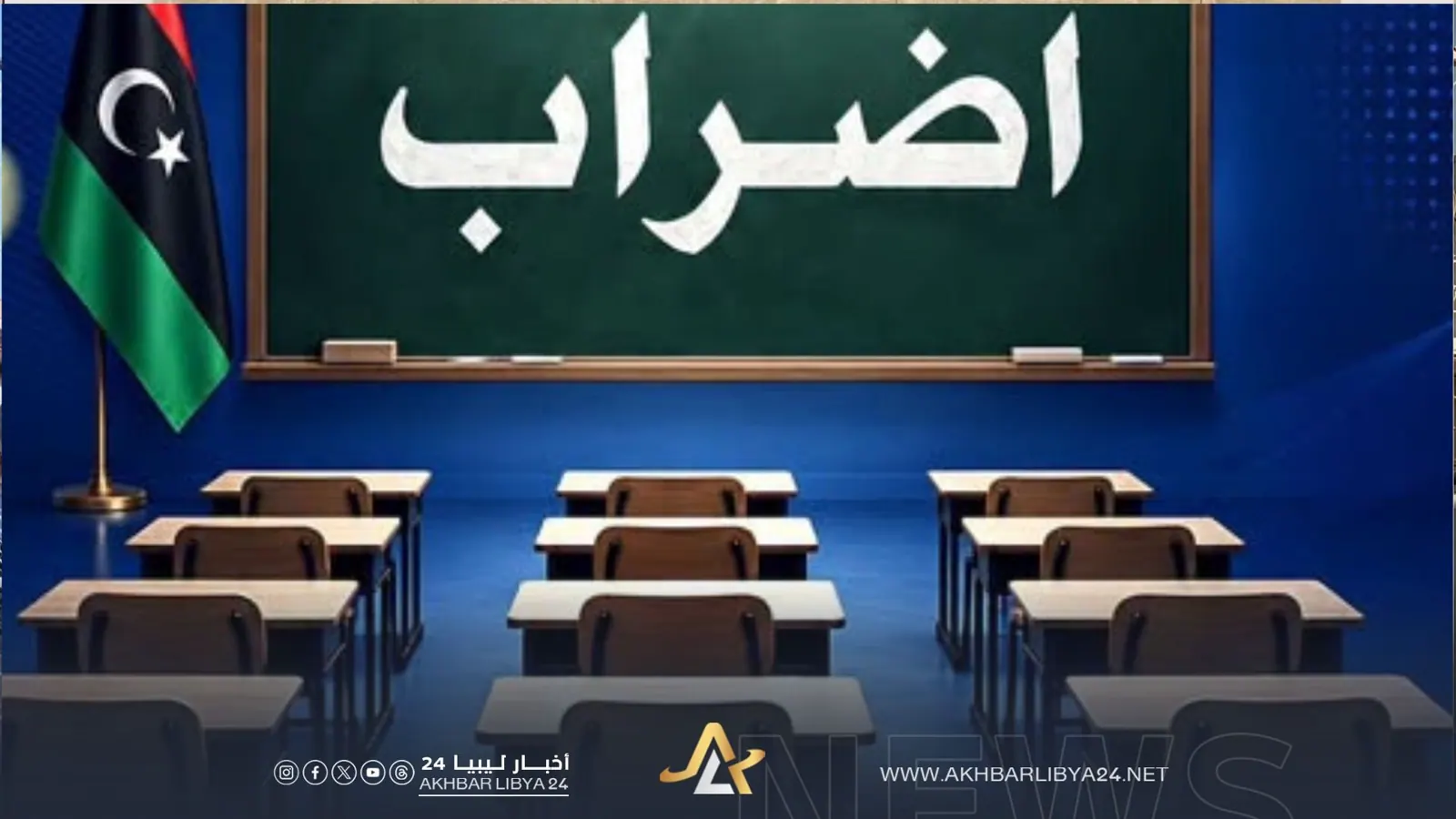
The teacher strike in Libya has entered its second week, with thousands of students affected by the ongoing protests. The strike, led by the country's teachers' unions, is demanding a 150% increase in salaries, implementation of a bonus system, and payment of outstanding financial differences. The unions are also calling for a comprehensive health insurance program for education sector workers. The strike has resulted in the suspension of classes in several schools, leaving over 2 million students uncertain about their academic year.
The strike has significant implications for the education sector in Libya, with many schools forced to close or suspend classes. The situation is further complicated by the fact that the new academic year was supposed to start on September 22, but the strike has made it difficult for students to attend classes. The Libyan government has so far not provided a comprehensive solution to the crisis, with only piecemeal measures announced. The government has proposed a law to regulate salaries, but it has not been implemented.
The strike is not limited to the education sector, with reports emerging that healthcare workers are also planning to take action. The healthcare sector is demanding better pay and benefits, citing disparities with other sectors such as the judiciary and military. The situation highlights the broader issues facing Libya's public sector, including high inflation and a shortage of skilled workers. The government is under pressure to address the demands of various sectors, while also managing the country's fragile economy.
One of the key challenges facing the Libyan government is the issue of "employment inflation," where large numbers of workers are employed in the public sector, but many are not actually needed. The education sector alone has over 600,000 employees, while the healthcare sector has around 400,000 workers. This has resulted in a significant burden on the state's finances, with many workers not actually contributing to the economy.
The strike has significant implications for Libya's students, who are facing an uncertain academic year. With over 2 million students affected, there are concerns that the strike could have long-term consequences for their education. The situation is also affecting parents, who are struggling to cope with the costs of education and the uncertainty surrounding the academic year.
The Libyan government is under pressure to find a solution to the crisis, with many stakeholders calling for a comprehensive approach to address the issues facing the education sector. The government needs to balance the demands of teachers and other public sector workers with the need to manage the country's finances and provide quality education to Libya's students.
The crisis highlights the need for a broader reform of Libya's education sector, which has been plagued by problems for years. The sector is facing significant challenges, including a shortage of skilled teachers, inadequate infrastructure, and a lack of resources. The government needs to develop a comprehensive plan to address these issues and provide a stable and quality education system for Libya's students.
Key points
- The teacher strike in Libya has entered its second week, with over 2 million students affected.
- The strike is demanding better pay and benefits for teachers, including a 150% increase in salaries.
- The crisis highlights the need for a broader reform of Libya's education sector.