Libyan Prime Minister Abdul Hamid Dbeiba has announced that he is closely monitoring the aftermath of severe flooding that hit several regions in the country. In a statement, Dbeiba said that his government is prioritizing the situation and will continue to provide emergency response and relief efforts until normalcy is restored. The flooding, caused by heavy rainfall, has affected several cities, including Mizda, Al-Shiqqa, and Nasma.
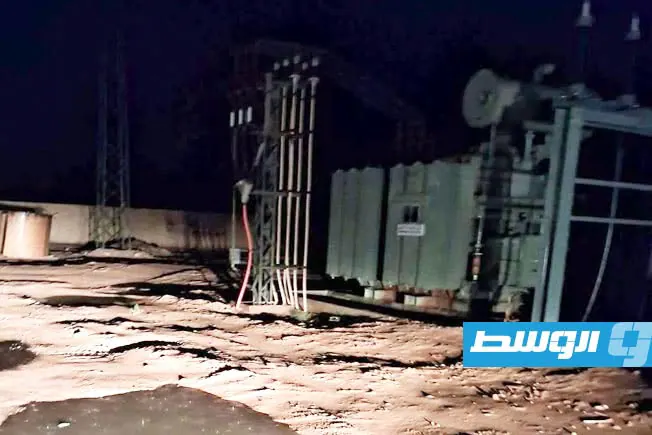
According to Dbeiba, the government has mobilized all necessary resources to respond to the disaster, including emergency services, healthcare, and shelter for those affected. He also instructed relevant authorities to work closely with local municipalities and specialized agencies to ensure a swift and effective response. The government aims to restore essential services, including electricity, communication, water, and sanitation, as quickly as possible.
The flooding has caused significant damage to public and private properties, with several areas affected, including Mizda, where a person was reported dead and five others injured. The town of Nasma has been declared a disaster zone by its municipal council, with many residents affected by the flooding. Rescue teams are working to locate missing persons and provide assistance to those in need.
The Libyan National Meteorological Center has forecast more rain and thunderstorms in the coming days, particularly in the northwest and south regions. The center warned of the possibility of heavy rainfall and strong winds in several areas, including the Jebel Nafusa region and the coastal areas.
The Libyan Red Crescent and other humanitarian organizations are working to provide assistance to those affected by the flooding. The organizations are providing emergency shelter, food, and medical care to those in need. The Libyan government has also called on citizens to exercise caution and follow evacuation instructions from local authorities.
The flooding has also disrupted transportation and communication networks, with several roads and bridges affected. The government has instructed relevant authorities to work on restoring these services as quickly as possible. The situation remains challenging, with many residents affected by the flooding and struggling to access basic necessities.
The international community has offered support and assistance to Libya in response to the disaster. Several countries and international organizations have expressed their readiness to provide aid and assistance to the affected areas. The Libyan government has welcomed this support and is working to coordinate relief efforts with international partners.
Key points
- Libyan authorities respond to severe flooding in several regions
- The government has mobilized all necessary resources to respond to the disaster
- The flooding has caused significant damage to public and private properties