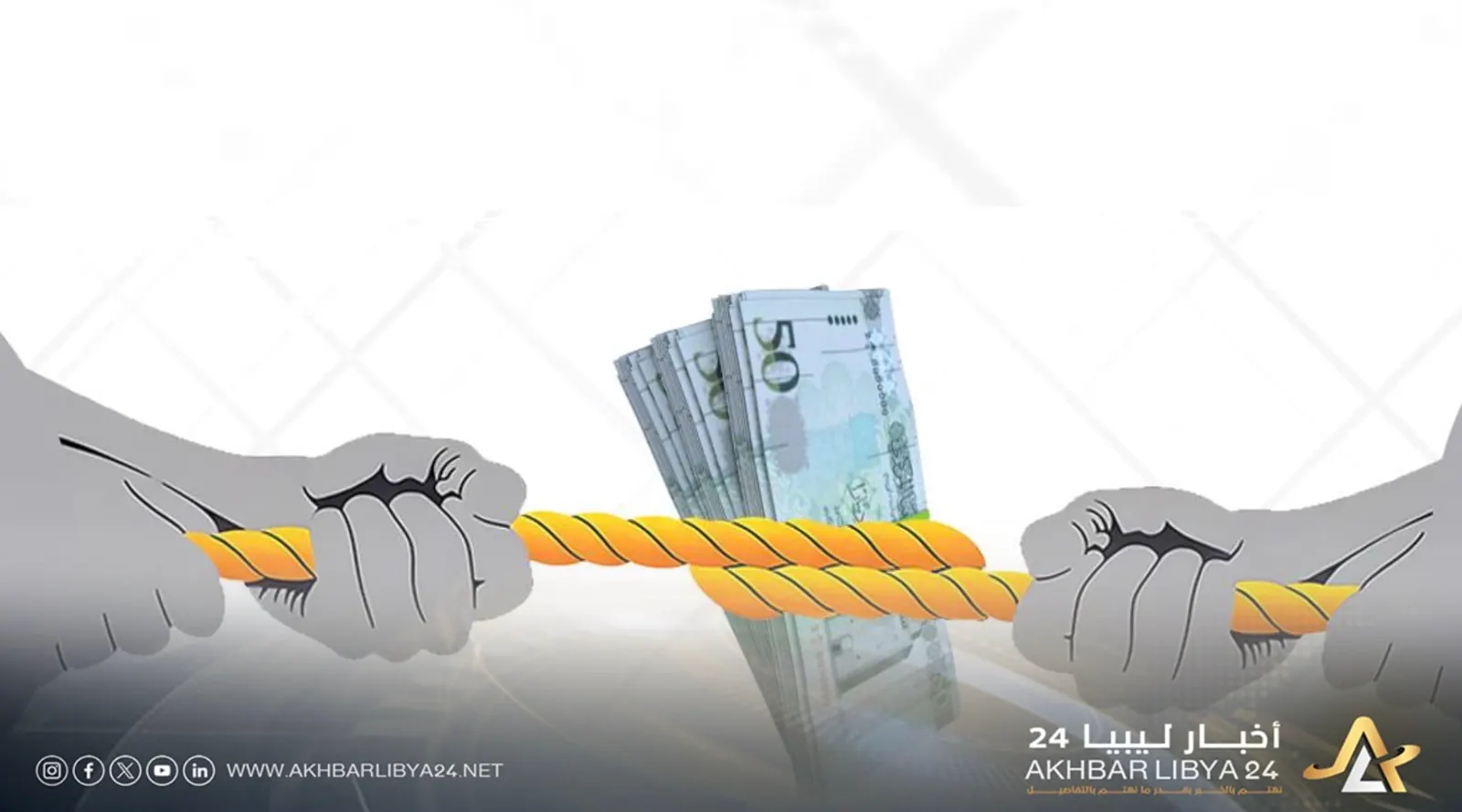
Libya is facing a growing crisis over salary increases, with experts warning that such moves could harm the economy and currency if not accompanied by financial reforms. The country's employees, particularly in the education and health sectors, have been demanding better living conditions amid rising prices and a decline in the purchasing power of the Libyan dinar.
The issue has sparked a heated debate between those calling for improved salaries and economic experts who argue that increasing wages without sustainable revenues and fiscal discipline could lead to further economic instability. According to banking expert Noman Al-Bouri, raising salaries without providing sustainable revenues is a step that may automatically lose its value, describing this policy as "giving with one hand and taking with the other."
Al-Bouri noted that the real value of a salary is not measured by the number of dinars an employee receives, but by its purchasing power and ability to cover basic needs. He cited an example where a 20% salary increase is offset by a 30% rise in living costs, resulting in an 8% decline in purchasing power despite the nominal increase in salary. This highlights the challenges of addressing the salary issue without exacerbating inflation and currency depreciation.
Economic analyst Nour Eddine Habarats agreed that employees' demands for better living conditions are legitimate, given the decline in the Libyan dinar's purchasing power and rising inflation. However, he warned that the recently approved 10% salary increase may have limited impact on improving employees' living conditions and could add to economic pressures if not part of comprehensive financial, monetary, and economic reforms.
Habarats estimated that the new salary scale, which increases monthly salaries by 100-350 dinars for around 2 million employees, would raise the wage bill by approximately 500 million dinars per month, or 6 billion dinars annually. However, if employee demands for a 1,000 dinar monthly increase are met, the total cost could reach 2 billion dinars per month, or 24 billion dinars annually, placing significant strain on public finances.
The Libyan economy faces multiple challenges, including a large public sector, inefficient spending, and a heavy reliance on oil revenues. The ongoing division and duplication of spending between rival governments have further complicated the situation, while weak oil revenue collection, growing debt, and declining foreign reserves have added to the economic strain.
Experts stress that addressing Libya's salary issues requires a comprehensive approach that includes financial reforms, improved fiscal discipline, and measures to boost economic growth and diversify revenue sources. Without such reforms, increasing salaries may provide temporary relief but could ultimately exacerbate the country's economic challenges.
Key points
- Libya's economic instability and large public sector pose significant challenges to financing salary increases.
- Experts warn that increasing wages without sustainable revenues and fiscal discipline could lead to further economic instability.
- Comprehensive financial, monetary, and economic reforms are necessary to address Libya's salary issues and promote economic stability.