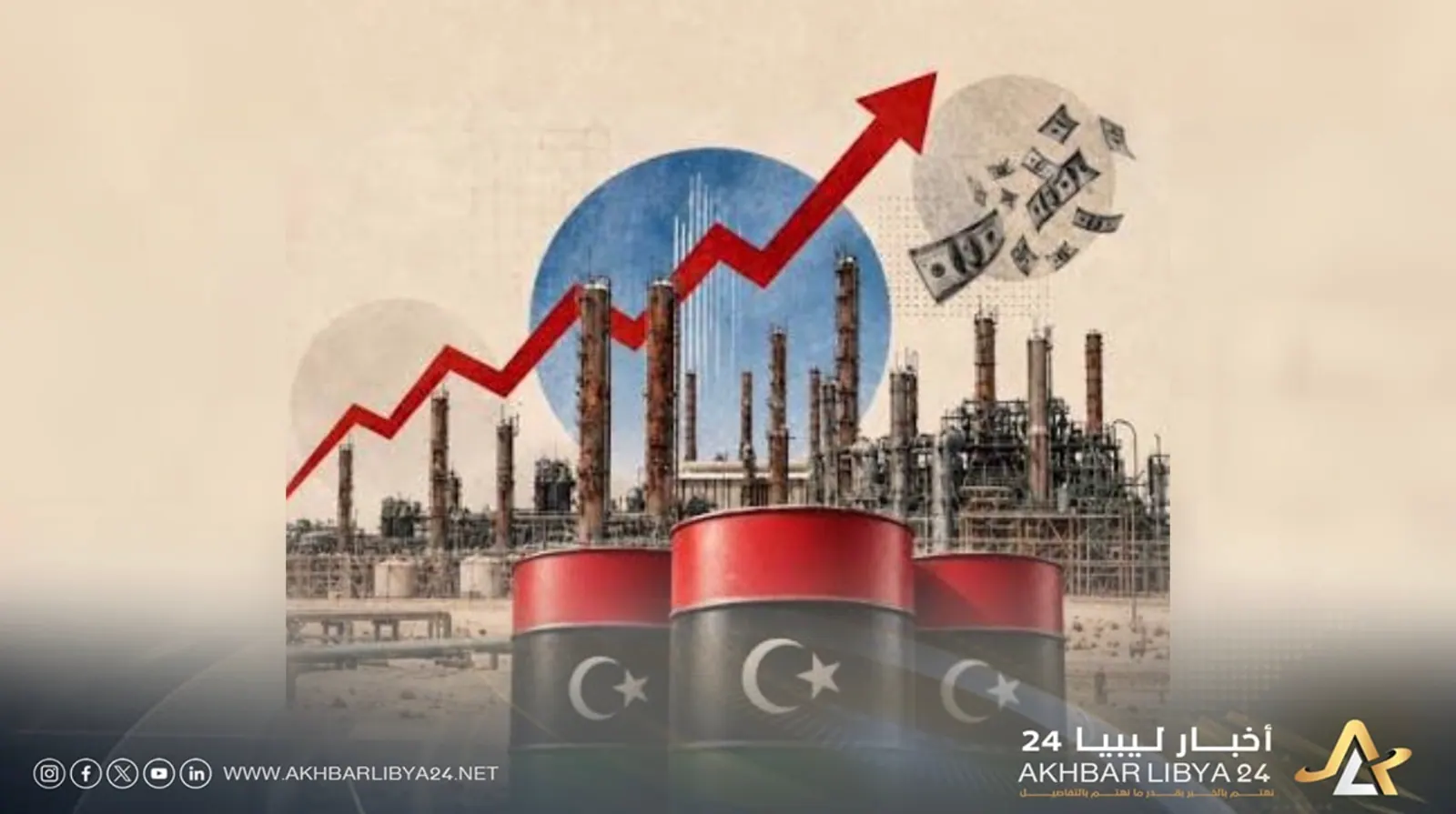
The issue of public sector salaries has resurfaced in Libya, as educators and healthcare professionals continue to protest and demand better pay and working conditions. Dr. Saleh Ibrahim, founder of the Libyan Academy for Graduate Studies, has weighed in on the debate, arguing that addressing wages should not be limited to the public sector, but also extend to the private sector. He believes that certain professionals, including doctors and teachers, face exploitation in the private job market.
Dr. Ibrahim's comments come as Libya's institutions of state continue to discuss a unified salary scale. In September, the Central Bank of Libya, the Ministry of Finance, and the Audit Bureau reviewed the proposed salary scale and measures to control public spending. The issue of public sector wages is closely tied to the country's economic stability, with Libya's economy heavily reliant on oil revenues. The discussion around salaries has also sparked debate about the role of international organizations, such as the International Monetary Fund, in shaping Libya's economic policies.
One of the key challenges in addressing Libya's salary conundrum is the issue of inflation. Dr. Ibrahim argues that salaries have not kept pace with rising living costs, and that a mechanism is needed to adjust wages periodically to reflect inflation rates. This is particularly important for professionals such as teachers and doctors, whose purchasing power is eroded by high prices. The issue is further complicated by the fact that Libya's public sector employs a large number of workers, with around 1.75 million employees registered on the "Ratkak Lahzi" payroll system.
Dr. Ibrahim has also warned that increasing public sector wages without a clear workforce plan could put pressure on Libya's finances. He argues that the government's approach to job creation, which has focused on hiring in the public sector, is not sustainable in the long term. Instead, he advocates for policies that promote job creation in the private sector and provide support for entrepreneurship. This approach, he believes, would help to reduce the country's reliance on oil revenues and promote economic stability.
The issue of public sector salaries is also closely tied to the quality of services provided to citizens. Dr. Ibrahim argues that increasing wages alone is not enough; the government must also invest in improving working conditions and providing the necessary resources for public sector employees to perform their jobs effectively. This is particularly important in the education and healthcare sectors, where shortages of resources and infrastructure have a direct impact on the quality of services provided.
Dr. Ibrahim has proposed an alternative approach to addressing unemployment, which involves providing a subsidy to young people who have completed their education and are seeking employment. He argues that this approach would help to reduce the financial burden on the government and promote entrepreneurship. However, some critics have argued that this approach may not address the root causes of unemployment and may create new challenges.
The debate around Libya's public sector salaries is complex and multifaceted. While there is a clear need to address the issue of low wages and poor working conditions, there are also concerns about the impact of increased spending on the country's finances and economic stability. As the government continues to discuss a unified salary scale, it will need to balance the competing demands of public sector employees with the need to promote economic stability and sustainable development.
Key points
- Dr. Saleh Ibrahim advocates for a unified salary scale that applies to both the public and private sectors.
- The issue of public sector salaries is closely tied to the quality of services provided to citizens.
- Libya's economy is heavily reliant on oil revenues, making it challenging to address the issue of public sector wages.