Libya is grappling with a multitude of crises that have significantly impacted the daily lives of its citizens. The country's public services, including education, healthcare, fuel, and others, have deteriorated, leaving citizens to bear the brunt of the costs. The crisis in the education sector is particularly concerning, with many children unable to attend school due to the prolonged closure of public schools. This has sparked fears about the future of Libya's youth and the potential for a widening social and educational gap.
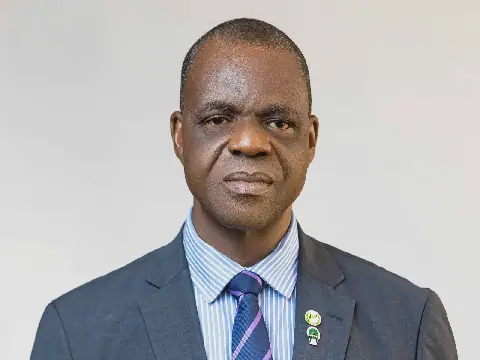
The education sector's struggles are symptomatic of a broader issue in Libya, where public services are increasingly being replaced by private alternatives that only the wealthy can afford. This shift has significant implications for the country's social fabric and raises concerns about equal opportunities for all citizens. Dr. Rima Al-Barki, a media personality and researcher on security and migration issues, has expressed concerns that the deterioration of public services is not merely a result of poor management but may be part of a larger plan to weaken the public sector and force families to seek private alternatives.
The healthcare sector is another area where Libya's public services are struggling. Many families are being forced to rely on private clinics and hospitals due to the inadequacy of public healthcare facilities. This has resulted in a significant financial burden on households, with some families having to sell their assets to cover medical expenses. The fuel sector is also facing significant challenges, with long queues at gas stations and a thriving black market for fuel. This has led to concerns about the quality of fuel available and the environmental impact of the situation.
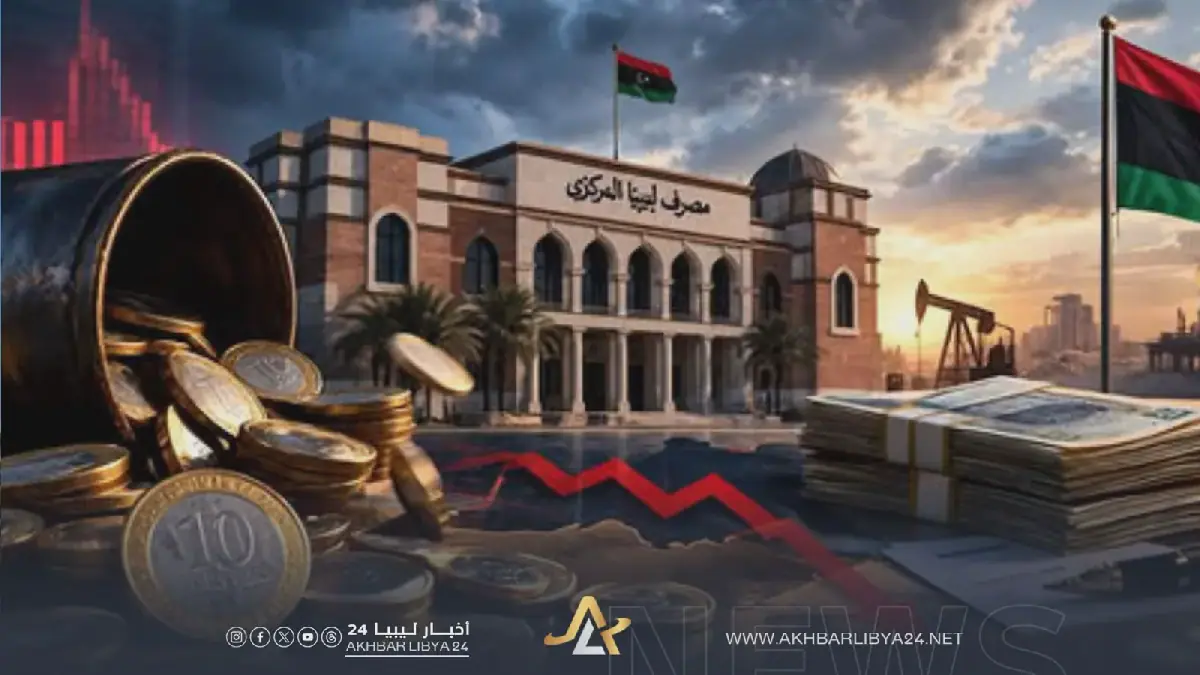
The crisis in Libya's public services has also had a significant impact on the country's economy. The banking sector is facing challenges, with a growing black market for foreign currency and a decline in the value of the Libyan dinar. The electricity sector is also struggling, with frequent power outages and a reliance on expensive and polluting generators. Furthermore, the water sector is facing challenges, with many households relying on private suppliers due to the inadequacy of the public water supply.
Dr. Al-Barki has raised concerns about the allocation of public funds in Libya, suggesting that large sums are being spent on external investments and financing armed groups, rather than on improving public services. She has also criticized the lack of transparency and accountability in the management of public funds, which has contributed to the country's crisis. The Libyan government faces significant challenges in addressing these issues, including a lack of capacity and resources.
The crisis in Libya's public services has also had significant implications for the country's migration and security situation. The country's porous borders and lack of effective migration controls have created an environment in which human trafficking and smuggling can thrive. This has significant implications for regional and global security, as well as for the safety and well-being of migrants.
Dr. Al-Barki has emphasized the need for Libya's leaders to take urgent action to address the country's public service crisis and to ensure that citizens' basic needs are met. This will require significant investment in public services, as well as efforts to improve transparency and accountability in government. Ultimately, the future of Libya's youth and the stability of the country depend on the government's ability to provide essential services and to protect the rights of its citizens.
Key points
- Libya's public services are in crisis due to a combination of factors, including poor management, corruption, and a lack of investment.
- The crisis has significant implications for the country's social fabric, economy, and security situation.
- Urgent action is needed to address the crisis and ensure that citizens' basic needs are met.
Reporting sources
- التعليم والصحة والوقود.. أزمات متراكمة تكشف تراجع دور الدولة الليبية · Akhbar Libya 24