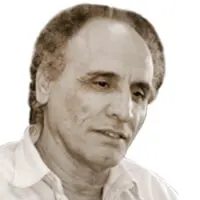
In Libya, the struggle for press freedom has been a longstanding challenge. Journalist Rashad Al-Huni, a prominent figure in the country's media landscape, has witnessed firsthand the difficulties faced by journalists and newspapers. Al-Huni's experiences with Al-Haqiqa, a Libyan newspaper, exemplify the challenges of maintaining a free press in a restrictive environment. Established as an independent newspaper, Al-Haqiqa aimed to provide a voice for the Libyan people and hold those in power accountable.
The Libyan government, under Muammar Gaddafi, viewed independent media as a threat to its authority. In 1971, a special military court was convened to try journalists and newspapers, including Al-Haqiqa. Al-Huni was among those summoned to the court, where he defended his newspaper and the importance of a free press. Despite his efforts, the court ultimately ruled against the journalists, imposing harsh penalties and effectively silencing Al-Haqiqa. This marked a significant turning point in the country's media landscape, as the government tightened its grip on the press.
Al-Huni's article, "Tawari fi Baytihi Al-Mutawad," which praised King Idris and his role in Libya's independence, was cited as evidence against him in court. The article highlighted the king's efforts to promote stability and development in the country. Al-Huni's defense of the article and his refusal to back down in the face of government pressure earned him recognition as a champion of press freedom. However, the government's response was to further restrict the media, creating a climate of fear and self-censorship.
The trial of Al-Huni and other journalists was widely seen as a sham. The court proceedings were characterized by a lack of due process and an apparent disregard for the rule of law. Al-Huni's lawyer, Mahmoud Nafe, defended his client with courage and conviction, arguing that the government's actions were unjust and repressive. Despite Nafe's efforts, the court delivered a guilty verdict, which was seen as a major blow to Libya's already beleaguered press.
The consequences of the trial were severe. Al-Haqiqa was forced to close, and Al-Huni was eventually forced into exile. In 1980, Nafe was assassinated in London, a stark reminder of the risks faced by those who dared to challenge the Libyan government's authority. Al-Huni, who had continued to write for other publications, was also targeted, but managed to escape harm. The Libyan government's campaign of intimidation and violence had a profound impact on the country's media landscape.
Al-Huni's experiences serve as a testament to the bravery and resilience of journalists who risk their lives to bring the truth to light. Despite the challenges he faced, Al-Huni continued to advocate for press freedom and human rights, both in Libya and in exile. His story highlights the need for a free and independent press, even in the face of overwhelming adversity. The Libyan government's actions demonstrate the dangers of unchecked power and the importance of holding those in authority accountable.
Today, Libya's media landscape remains complex and challenging. While the country has made progress in recent years, the legacy of Gaddafi's rule continues to cast a shadow over the press. Journalists and media outlets face ongoing risks, from government pressure to extremist violence. Al-Huni's story serves as a reminder of the importance of protecting press freedom and promoting a culture of accountability and transparency.
Key points
- The Libyan government's crackdown on independent media, including the trial of Rashad Al-Huni and the closure of Al-Haqiqa newspaper, marked a significant turning point in the country's media landscape.
- Al-Huni's experiences serve as a testament to the bravery and resilience of journalists who risk their lives to bring the truth to light.
- The legacy of Gaddafi's rule continues to impact Libya's media landscape, with ongoing challenges and risks for journalists and media outlets.