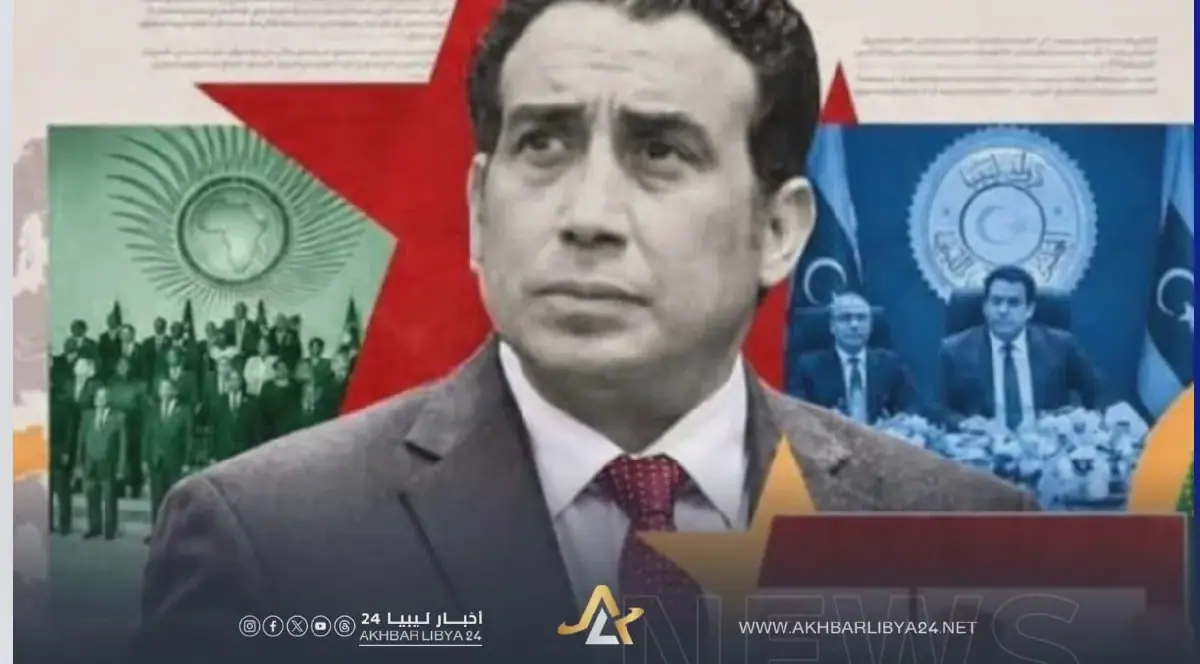
The Libyan Presidential Council, led by Mohamed al-Menfi, has postponed the fourth African-Turkish summit, which was scheduled to take place in Tripoli on December 8-9. The council cited the need for more time to prepare and ensure a high-level African participation. Al-Menfi informed the African Union of the decision and initiated consultations with the union and the Turkish side to set a new date.
The postponement comes at a time of heightened international efforts to revive Libya's stalled political process. The United Nations and the United States are pushing for a new path forward, including the formation of a 4+4 committee. This development has raised concerns about the role of the Presidential Council and its position in the proposed political arrangements.
Al-Menfi's move is seen as an attempt to cling to the legitimacy of existing institutions, including the House of Representatives and the State Council. The Presidential Council, he argues, should play a facilitation role in any future political process. However, this stance puts him at odds with some international proposals that do not prioritize the council's involvement.
In response to the evolving international landscape, al-Menfi has proposed alternative approaches, including a 6+6 committee and the formation of a "three presidencies" body. These initiatives aim to secure a prominent role for the Presidential Council in shaping Libya's future.
The postponement of the African-Turkish summit has sparked concerns about the implications for Tripoli's diplomatic standing and the potential for international criticism. The UN Security Council has previously warned of possible sanctions against individuals and entities obstructing Libya's political process.
The decision has also raised questions about the relationship between al-Menfi and other Libyan leaders, including Prime Minister Abdul Hamid al-Dbeiba. Some analysts speculate that there may be unofficial understandings between the two men to block any political developments that could undermine their positions.
The postponement has sparked debate among Libyan politicians, with some expressing concerns about the impact on the country's international reputation and the potential for further division. The African-Turkish summit was seen as an opportunity for Libya to engage with international partners and demonstrate its commitment to the political process.
Key points
- The postponement of the African-Turkish summit reflects the complex and uncertain nature of Libya's current political landscape.
- The move is seen as a strategic calculation by al-Menfi to secure a prominent role for the Presidential Council in any future political arrangements.
- The international community is closely watching the developments in Libya, with some warning of potential consequences for those who obstruct the political process.