Libyan Presidential Council head Mohamed al-Menfi has called for the establishment of a national reconciliation committee. In a speech at the UN General Assembly, al-Menfi proposed the creation of a national committee for calming tensions, building trust, and supporting reconciliation. This move has sparked widespread debate about the proposal's potential impact and motivations. Libya has been experiencing a deadlock in its political scene, with various international and UN initiatives attempting to address the issue.
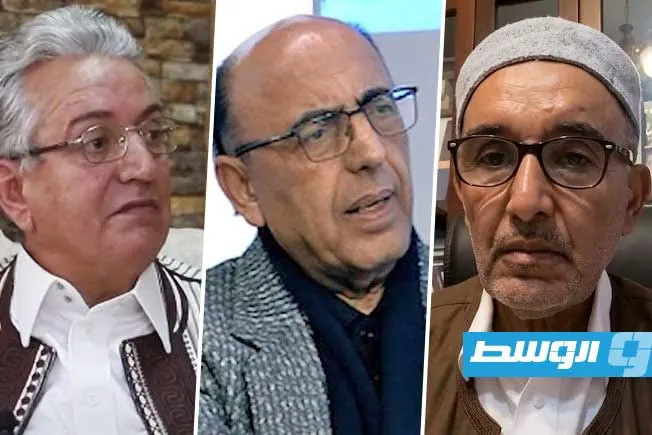
Al-Menfi's proposal has been met with skepticism by some Libyan politicians. Dr. Khalifa Ahwas, a former dean of the Faculty of Law at the University of Sirte, believes that the Presidential Council is experiencing a state of political isolation and division. Ahwas argues that al-Menfi's proposal lacks legitimacy and that the country is already experiencing a degree of calm, making the committee unnecessary. He also notes that al-Menfi's efforts to find a role for himself may be driven by a desire to regain influence.
Other Libyan politicians have expressed concerns about the timing and motivations behind al-Menfi's proposal. Khalid al-Trjman, head of the National Working Group, questions the usefulness of such initiatives, citing the Presidential Council's failure to achieve its goals, particularly in the area of national reconciliation. Al-Trjman suggests that al-Menfi's move may be an attempt to reposition himself and distract from the outcomes of the 4+4 committee.
The 4+4 committee, which was established to address Libya's political crisis, has received support from some parties, including the Government of National Unity. However, other parties, such as the High Council of State, have expressed differing views. Dr. Youssef al-Bakhbikhi, a political researcher and academic, notes that each party has its own perspective on the situation, and that al-Menfi's proposal may be an attempt to find a new role for himself.
The international community, including the UN, has been involved in efforts to address Libya's crisis. However, some Libyan politicians are skeptical about the effectiveness of these efforts. Al-Trjman believes that the UN's role has been limited to managing the crisis rather than working towards a genuine solution. Al-Bakhbikhi also notes that the UN mission in Libya lacks a strong foundation to support its proposals.
The situation in Libya remains complex, with various parties holding different views on the best way forward. Al-Menfi's proposal has added to the ongoing debate, but it is unclear whether it will gain traction. The international community continues to play a role in efforts to address the crisis, but Libyan politicians are divided on the effectiveness of these efforts.
The outcome of al-Menfi's proposal and the ongoing efforts to address Libya's crisis remain uncertain. The country continues to experience a challenging situation, with various parties vying for influence. The international community's role in supporting a peaceful resolution to the crisis will likely continue to be crucial in the coming months.
Key points
- Libyan Presidential Council head Mohamed al-Menfi calls for a national reconciliation committee at the UN General Assembly.
- Some Libyan politicians express skepticism about the proposal, citing concerns about its timing and motivations.
- The international community continues to play a role in efforts to address Libya's crisis, but Libyan politicians are divided on the effectiveness of these efforts.