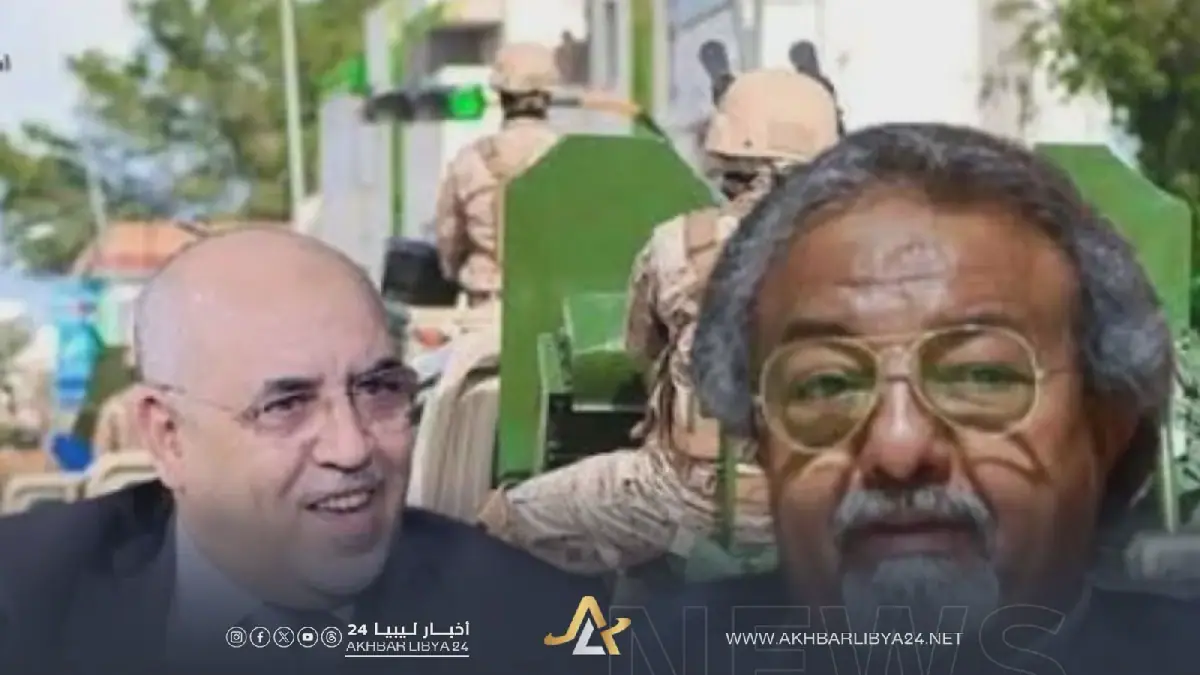
The Libyan Presidential Council has reaffirmed its support for Abd al-Majid Milliqtah as head of the country's intelligence agency. In a recent statement, the council said Milliqtah's legal position remains stable and he will continue to perform his duties. This move comes in response to a statement by the Speaker of the House of Representatives, Saleh Abdelnabi, who backed another candidate, Hussein al-Ayeb.
The dispute between the two branches of government centers on who has the authority to appoint and dismiss the intelligence chief. The Presidential Council cites a provision in the Political Dialogue Forum document, which grants it the power to make such appointments. Abdelnabi, however, argues that the House of Representatives has the authority under a new law.
Abdelnabi has written to al-Ayeb, stating that the latter remains in his position as head of the intelligence agency. He also rejected the Presidential Council's decisions regarding the agency's leadership. Abdelnabi argued that the council's decisions were unilateral and lacked the consensus required by the political agreement.
The dispute has led to concerns about the potential impact on the country's intelligence agency and its operations. The agency plays a critical role in maintaining national security and combating terrorism. The Libyan government has been struggling to establish stability and security in the country since the 2011 uprising.
The Presidential Council has warned against any attempts to disrupt the agency's operations. In a statement, the council said it is essential to ensure the agency's continued functioning to maintain national security. The council also called for respect for the rule of law and the country's institutions.
The House of Representatives has instructed al-Ayeb to oversee the agency's departments and branches. Abdelnabi also asked al-Ayeb to protect the agency's premises, documents, and assets from any attempts to seize or misuse them. The agency has been instructed to continue coordinating with state institutions and international partners.
The disagreement between the Presidential Council and the House of Representatives has raised questions about the country's future. The two institutions have been at odds over various issues, including the appointment of key officials and the interpretation of Libyan laws. The situation remains uncertain, with no clear resolution in sight.
Key points
- The Libyan Presidential Council and Parliament are in a dispute over who should lead the country's intelligence agency.
- The dispute centers on who has the authority to appoint and dismiss the intelligence chief.
- The situation has raised concerns about the potential impact on the country's intelligence agency and its operations.