Europe's steel industry is undergoing a transition, with electric arc furnaces replacing traditional coal-intensive blast furnaces, increasing demand for recycled steel and alternative sources of primary iron. Direct reduced iron, or DRI, can supply this primary metallic input. When compacted into hot briquetted iron, or HBI, it can be transported internationally. This shift presents an opportunity for countries with natural gas resources, like Libya, to play a role in the transition.
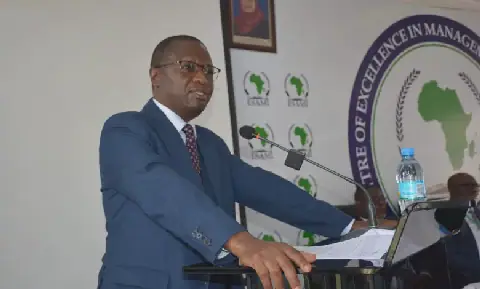
Near Benghazi, Tosyalı-SULB is developing a large direct-reduced-iron complex, which could test Libya's potential to turn its natural gas resources into a new export industry. The Libyan partner is chaired by Ahmed Gadalla. This project has a regional operating reference, as the Turkish industrial group behind the Algerian facility, Tosyalı Algérie, is also developing the Benghazi project. Tosyalı Algérie operates two Midrex direct-reduction modules at its steel complex near Oran.
The Algerian facility provides a relevant comparison, as its second module produced 2.43 million tonnes of DRI in 2025, a world record for annual production from a single direct-reduction module. This demonstrates that large-scale direct reduction can work in North Africa. The technology, production process, logistics requirements, and economics of gas-based direct reduction are already being tested at large scale elsewhere in the region.
The market for DRI is expanding, with global production reaching 151 million tonnes in 2025, up 7.2 percent from the previous year and 44 percent from 2020. This growth indicates that direct reduction is becoming more important to the global steel industry. However, it does not guarantee demand for every new project. The industry faces a constraint, as many proposed plants are designed to use renewable hydrogen, but producing enough hydrogen at a competitive price remains expensive.
Natural gas is likely to remain part of the transition for some projects, as it can produce iron with substantially less dependence on coal-based blast furnace technology. This allows plants designed for the transition to increase their use of hydrogen later. For gas-producing countries close to Europe, like Libya, this creates a potential industrial opening. The country's proximity to Europe and its natural gas resources make it an attractive location for DRI production.
Other countries in the region are also exploring opportunities in the DRI market. Oman, for example, is developing a 2.5 million-tonne HBI facility in Duqm, with planned production covered by offtake arrangements involving several major companies. Part of the future output is intended for European markets. While Oman and Libya have different investment environments, infrastructure, and political risks, the geographical lesson is that energy-intensive primary iron production does not necessarily have to take place inside Europe.
As the steel industry continues to transition, countries with natural gas resources and proximity to Europe, like Libya, may find new opportunities for industrial development. The success of the Tosyalı-SULB project in Benghazi will depend on various factors, including the economics of gas-based direct reduction and the demand for DRI in European markets. If successful, it could become a significant player in the global steel industry's transition to lower-carbon iron production.
Key points
- Libya's natural gas resources and proximity to Europe make it a potential source of lower-carbon iron.
- The country's first large-scale DRI complex is being developed by Tosyalı-SULB near Benghazi.
- The project has a regional operating reference in Tosyalı Algérie's facility in Algeria.
Reporting sources
- Can Libya Become Europe’s Next Source of Lower-Carbon Iron? · African Arguments