Libya's political process is facing a critical juncture after the country's High Council of State rejected the outcomes of the 4+4 committee. The committee was established to find a way forward for the country's stalled political process. The rejection has raised questions about the next steps for the UN mission in Libya, which has been working to facilitate a peaceful resolution to the country's crisis. The UN mission had set a deadline for the adoption of the committee's outcomes, which has now expired.
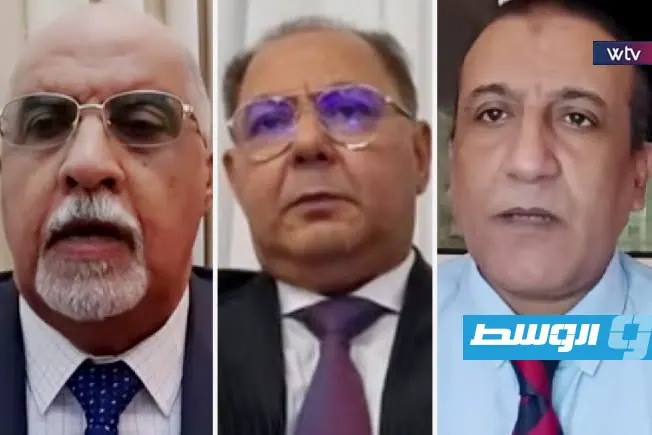
The rejection of the 4+4 committee outcomes was expected, according to political analyst Saad Eddin Ali. He noted that the UN mission was aware of the possibility of rejection and had set a time limit for its adoption. Ali believes that the UN mission's next step will be crucial in determining the future of Libya's political process. He added that the mission's representative, Hanna Titi, will brief the UN Security Council on October 14, which will be a critical moment in determining the next steps.
The UN mission is considering several alternatives, including the formation of a new body or a return to a more extensive dialogue. Some observers believe that the mission may seek to bypass the existing legislative institutions and establish a new framework for the political process. However, this approach is fraught with challenges, including the need to ensure that any new framework has sufficient legitimacy and acceptance among Libyans.
The rejection of the 4+4 committee outcomes has also raised questions about the role of the Libyan parliament, which has been slow to adopt the committee's recommendations. The parliament's speaker, Aguila Saleh, has been pushing for the adoption of a new constitution, which could potentially pave the way for elections. However, this approach is also contested, with some arguing that it could lead to further delays and complications.
The UN mission is working to secure support from influential countries on the UN Security Council for its next steps. However, there are divisions among council members, which could complicate the adoption of a new approach. The mission's success in securing support will depend on its ability to present a clear and compelling vision for Libya's future.
One possible alternative being considered by the UN mission is the formation of a new presidential council and government. This approach would require significant international support and would need to be carefully managed to avoid further divisions among Libyans. Some observers believe that the US has a critical role to play in supporting the UN mission and promoting a peaceful resolution to Libya's crisis.
The Libyan crisis has been complicated by a range of factors, including divisions within the country's institutions and the ongoing impact of external interference. The UN mission faces significant challenges in promoting a peaceful resolution, but its success will depend on its ability to engage with Libyan stakeholders and secure international support. The next few weeks will be critical in determining the future of Libya's political process.
Key points
- The UN mission in Libya is seeking alternatives after the rejection of the 4+4 committee outcomes.
- The Libyan parliament has been slow to adopt the committee's recommendations, leading to further complications.
- The UN Security Council will play a critical role in determining the next steps for Libya's political process.