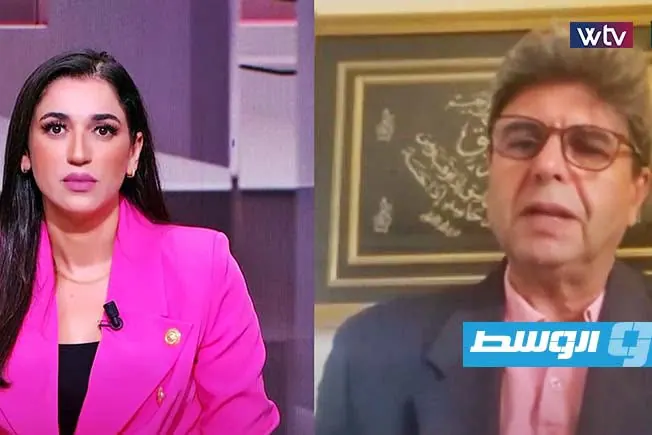
Libya's political landscape is bracing for a significant development as various parties prepare to convene in either Sirte or Benghazi to discuss the formation of an interim government. According to Abdel Salam Al-Quritli, spokesperson for the "Voice of the People" party, the conference aims to pressure the UN mission to facilitate the establishment of a transitional government that would pave the way for national elections. This move is seen as a crucial step towards resolving Libya's prolonged political crisis.
The proposed conference, described by Al-Quritli as a "peace conference," seeks to launch a Libyan-led initiative to form a unified government, accompanied by unified security and military institutions. The goal is to create a temporary administration that would oversee the country's transition to stability and eventually hand over power through elections. Al-Quritli emphasized that the current presidential council model has proven ineffective and should be replaced.
Al-Quritli expressed confidence that the UN mission has the authority to impose such a government if it chooses to do so. He suggested that the mission could use the threat of sanctions against those who obstruct the process to ensure cooperation. The initiative comes as Libya continues to grapple with political fragmentation and the absence of a stable, unified government.
The backdrop for these talks includes previous attempts at peace and stability, such as the Skhirat agreement and the Geneva talks, which have ultimately failed to yield lasting results. The most recent development was the "4+4" agreement, reached in late August, which outlined a roadmap for elections and a unified executive authority. However, this agreement has faced opposition from various quarters, including the Presidential Council and the High Council of State.
The "4+4" agreement, supported by the House of Representatives, allows for military personnel and dual citizens to run in elections, provided they renounce their second nationality before taking office. It also sets a requirement of 20,000 voters' endorsements for presidential candidates. Despite this, key stakeholders have raised concerns, and the agreement's viability remains uncertain.
The political maneuvering occurs against a broader context of Libya's ongoing challenges, including economic concerns, security issues, and the humanitarian situation. The international community, particularly through the UN mission, continues to play a crucial role in mediating Libya's political factions. The outcome of the proposed conference and the response from various stakeholders will be closely watched as Libya navigates its complex path towards stability.
As Libya's political parties prepare to engage in talks, the international community watches with cautious optimism. The success of these talks could mark a significant step towards ending Libya's protracted crisis, but numerous challenges and uncertainties lie ahead. The path to a stable, democratically governed Libya remains fraught with obstacles, but the determination of Libyan political actors and the support of the international community are critical factors in this endeavor.
Key points
- The conference aims to pressure the UN mission to facilitate the establishment of a transitional government that would pave the way for national elections.
- The proposed government would be a temporary administration that would oversee the country's transition to stability and eventually hand over power through elections.
- The initiative comes as Libya continues to grapple with political fragmentation and the absence of a stable, unified government.