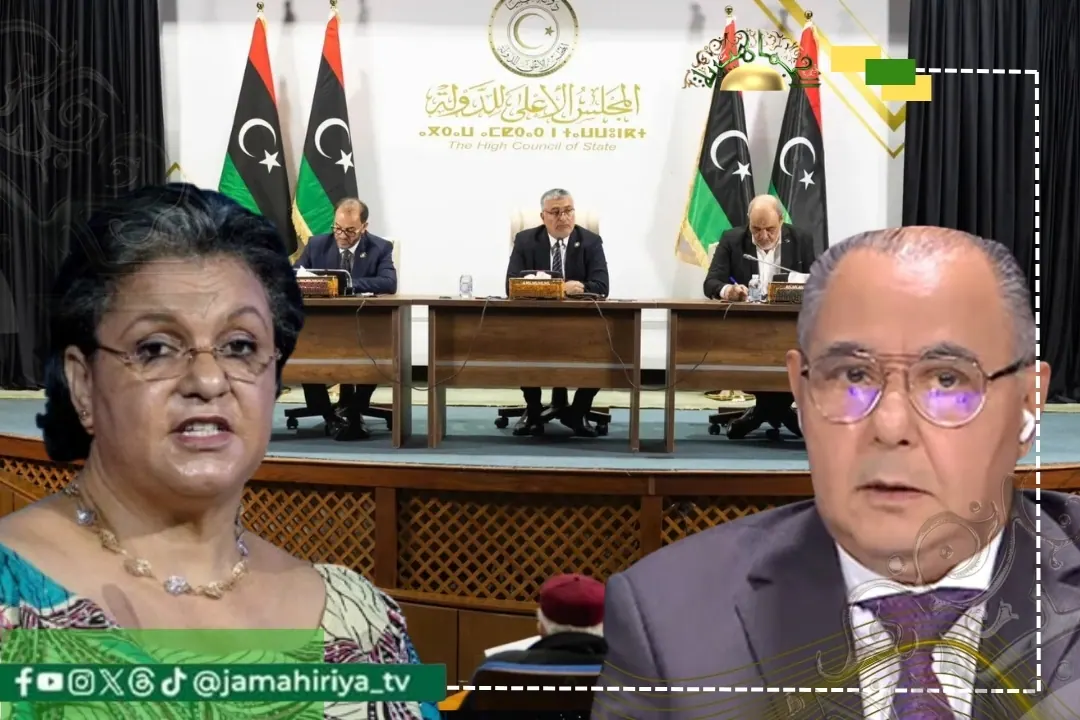
Libya's political scene is bracing for a potential shift as the UN mission considers alternatives to the country's current State Council. According to Ashraf Al-Thalji, a political advisor, the UN mission has multiple options to deal with the council's rejection of the 4+4 committee's outcomes. The committee's agreement, which aimed to pave the way for elections, was rejected by the State Council on October 6, 2026, with 72 out of 92 members voting against it.
The State Council's rejection was based on the argument that the 4+4 committee's outcomes lacked national consensus and had no valid constitutional or legal basis. In contrast, the House of Representatives had approved the agreement in September 2026 and issued a package of related laws and decisions. The UN mission's potential next steps are being closely watched, with Al-Thalji suggesting that they may opt to bypass the State Council and reshape the country's politics through new mechanisms.
One possible outcome, according to Al-Thalji, could be the formation of a new presidential council and government. He noted that US support for the UN's efforts will likely play a significant role in determining the course of future political developments. The UN mission's approach will be crucial in shaping Libya's politics, particularly in light of the country's long-standing divisions and power struggles.
The 4+4 committee's agreement had included provisions for holding legislative and presidential elections within 24 months. The agreement also allowed dual citizens and military personnel to run in the presidential elections. These provisions were seen as key steps towards stabilizing the country's politics and paving the way for a peaceful transfer of power.
The rejection of the 4+4 committee's outcomes by the State Council has raised concerns about the feasibility of holding elections as planned. The country's electoral process has faced numerous delays and setbacks, and the latest development has added to the uncertainty. The international community, including the UN, has been pushing for a peaceful and inclusive resolution to Libya's political crisis.
Al-Thalji's comments suggest that the UN mission is exploring alternative approaches to move the country's politics forward. The mission's efforts will likely focus on finding a solution that balances the interests of different stakeholders and promotes national stability. The country's politicians and stakeholders are eagerly awaiting the UN's next move, which could have significant implications for Libya's future.
The developments in Libya's politics come at a critical time, with the country facing numerous challenges, including a lingering economic crisis and ongoing security concerns. The UN's role in facilitating a peaceful resolution to the country's crisis will be crucial in determining the course of future events.
Key points
- UN mission considers alternatives to State Council
- Potential formation of new presidential council and government
- US support for UN efforts seen as influential factor