A nationwide teachers' strike in Libya has shut schools and delayed the start of the school year, rallying educators across the oil-rich but politically divided country. The strike, which began in mid-September, has seen thousands of teachers take to the streets to protest over unmet demands, including higher salaries, health insurance, and compensation for overtime. The strike has affected some 1.6 million public-school students, with classes postponed indefinitely.
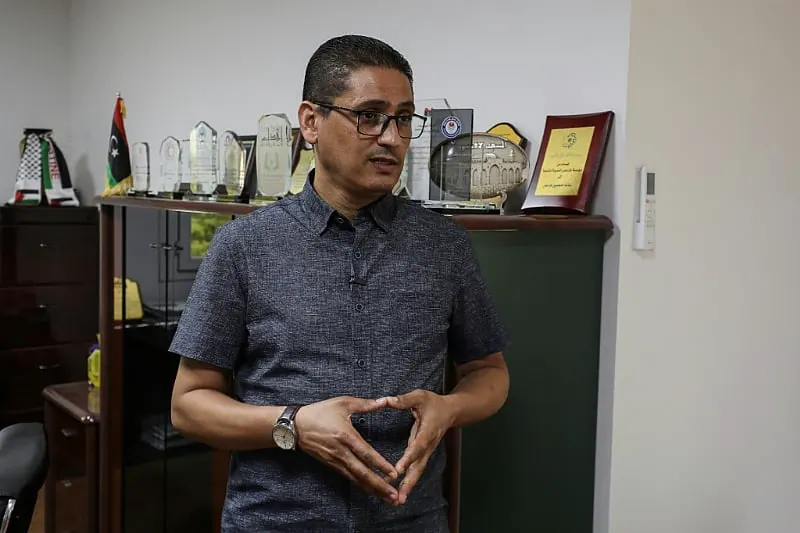
The teachers' union, led by spokesperson Ashraf Abu Rawi, has backed the strike, with teachers demanding fair pay in accordance with the salary scale for all state workers. The union says public sector salaries vary by sector, but wage differences for educators are too wide and disadvantageous. A public school teacher's monthly salary varies between 1,000 and 2,500 Libyan dinars, around $155 and $390. The teachers are also demanding medical coverage, which they have sought for years.
The strike has spread from Tripoli to Benghazi, in the east, with thousands of teachers protesting regularly since mid-September. The movement, now backed by the Libya teachers' union, held a large protest outside the government headquarters in the capital Tripoli. The union says the education sector employs nearly half a million teachers and administrative staff, and that the strike has been 100 percent followed by teachers in the public sector.
Libya has been beset by violence and instability since the overthrow of Muammar Gaddafi in 2011, and remains divided between the UN-recognised government in Tripoli led by Prime Minister Abdulhamid Dbeibah, and a rival administration in the east backed by military commander Khalifa Haftar. The teachers' strike has highlighted the ongoing challenges facing the country, including unfulfilled promises to public sector workers.
The Tripoli-based education ministry has held several meetings to address the teachers' healthcare insurance demands, but has yet to comment on their request regarding wages. The ministry has said it would bring changes to the school calendar, including cancelling holidays, to make up for classes missed because of the strike. The strike has been described as a grassroots movement, with teachers mobilising themselves rather than being led by unions.
One Tripoli teacher, Fatima Ali, said Libyan teachers are suffering and demanding their rights, including a wage raise like other public-sector employees whose salaries were increased. The strike has attracted broad support, with Abou Raoui saying it was the first time a strike of this kind had attracted such widespread participation. The teachers are seeking tangible action and concrete measures to address their demands.
The strike has significant implications for the country's education system, with the school year delayed indefinitely. The teachers' union has threatened a general strike if their demands are not met, highlighting the ongoing challenges facing the country's education sector. The international community is watching closely, as the strike highlights the need for stability and reform in Libya.
Key points
- The strike has affected 1.6 million public-school students
- Teachers are demanding fair pay and medical coverage
- The strike has been 100 percent followed by teachers in the public sector