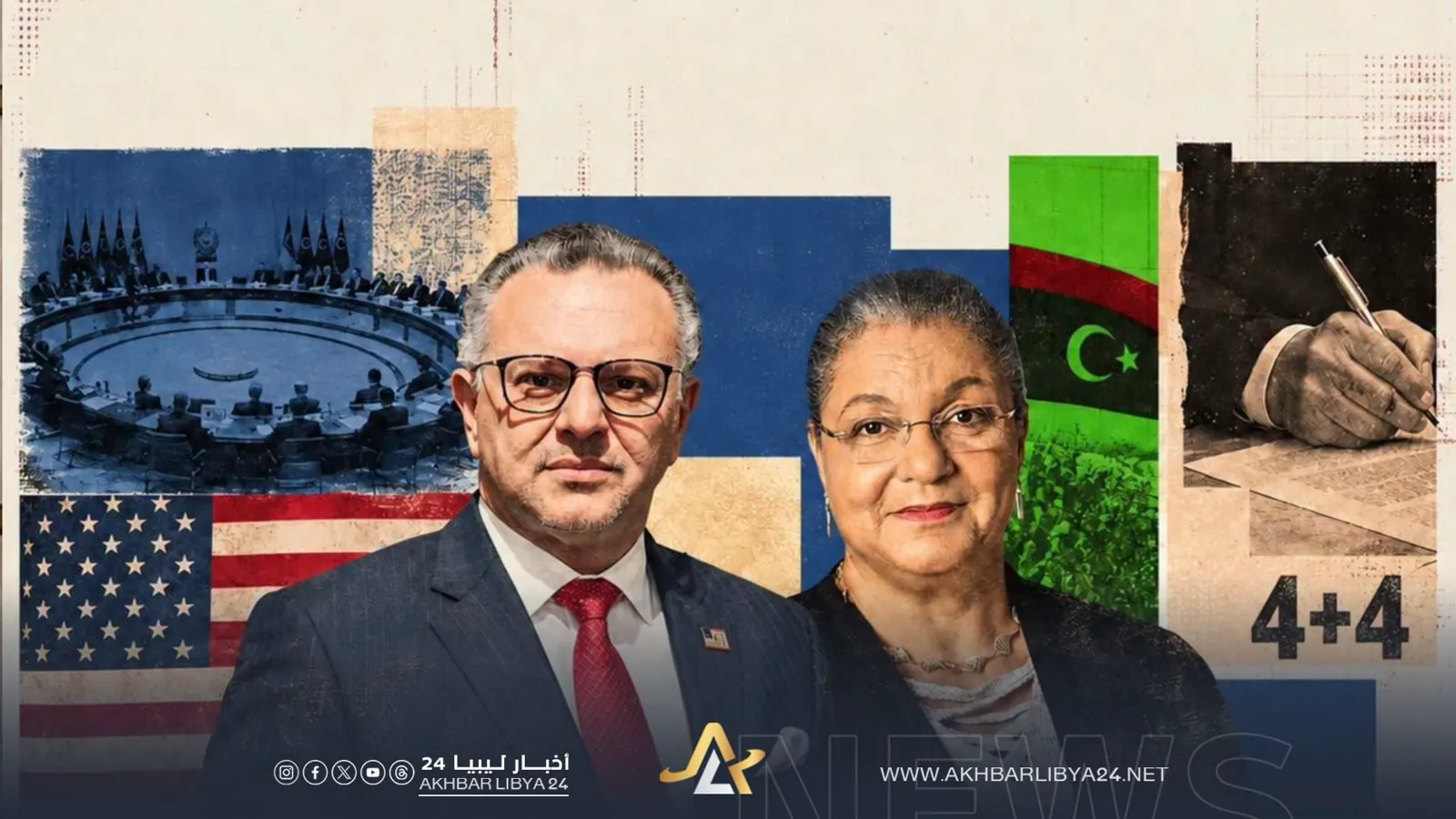
Libya's political landscape is at a critical juncture as the country navigates the complexities of the 4+4 agreement, a crucial step towards holding elections. The agreement, signed on August 30, outlines a roadmap for elections and institutional reforms. The United States has expressed support for the agreement, with a senior advisor to the US President for Arab and African affairs, Masood Pulus, emphasizing the importance of moving forward with the plan.
The UN mission in Libya has set a deadline for the House of Representatives and the High Council of State to agree on the 4+4 agreement. The mission's deputy special representative for political affairs, Stephanie Khuri, highlighted the significance of the agreement in addressing key aspects of the country's transition, including the formation of a new electoral commission and the development of a legal framework for the elections.
The House of Representatives has given its unanimous approval to the agreement, but the High Council of State remains a major obstacle. Some members of the council have expressed reservations about the agreement and the participants involved in its formulation and signing. This has raised concerns about the ability to move forward with the plan and the potential for one side to block progress.
The 4+4 committee is expected to play a crucial role in monitoring the implementation of the agreement. The committee recently met in Tunisia to discuss the progress of the agreement and the challenges ahead. Members reaffirmed their commitment to moving forward with the plan and exploring ways to garner more support from local parties.
The agreement's success is also linked to the ability of Libya's institutions to unify and function effectively. The country's electoral commission and the laws governing the electoral process require reform. Additionally, the issue of foreign forces and mercenaries in the country remains a major concern, with the Libyan Military Commission (5+5) calling for their withdrawal.
The US and UN support for the 4+4 agreement has generated optimism, but the real test lies in its implementation. The agreement faces internal disputes, institutional hurdles, and complex issues related to security, economy, and governance. The ability of Libya's parties to overcome their differences and work towards a common goal will be crucial in determining the success of the agreement.
As the deadline for the House of Representatives and the High Council of State to agree on the 4+4 agreement approaches, the international community is watching closely. The UN mission may need to explore alternative mechanisms to ensure the agreement's implementation, should the parties fail to reach a consensus. The stakes are high, and the outcome will have significant implications for Libya's transition to stability and democracy.
Key points
- The 4+4 agreement faces challenges from internal disputes and institutional hurdles.
- The US and UN have expressed support for the agreement, emphasizing its importance for Libya's transition.
- The success of the agreement depends on the ability of Libya's parties to overcome their differences and work towards a common goal.