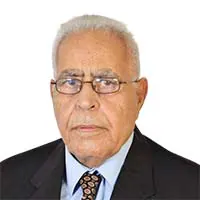
In the past, Libya's Committee for Education, led by Amin Mazen, implemented a decision restricting individuals pursuing higher education in humanities to submitting their research only to Libyan and mostly Arab universities. This move was justified as a way to protect the country's intellectual wealth and prevent it from being used against Libya's interests. The decision was met with concerns that it was driven by a bias against non-Arab studies.
The restrictions were seen as an attempt to limit the flow of Libyan students to foreign universities, particularly those in Western countries. Some individuals were deterred from pursuing studies abroad due to the potential backlash from the authorities. However, the restrictions also led to the establishment of more research centers in Libya, which received funding from the Libyan government. These centers aimed to promote local research and academic work.
Despite the establishment of new research centers, concerns persisted about the government's intentions and the potential risks associated with conducting research in Libya. The country's tumultuous history and the government's track record of suppressing dissenting voices raised concerns about the freedom of researchers to conduct their work without interference or repercussions.
The restrictions on higher education and research also raised concerns about the potential impact on Libya's academic and intellectual development. By limiting access to foreign universities and research institutions, the government may have inadvertently stifled the exchange of ideas and hindered the country's ability to engage with the global academic community.
In the context of Libya's complex history, the restrictions on higher education and research can be seen as part of a broader pattern of government control and manipulation. The country's experience with authoritarian rule and conflict has had a profound impact on its education system and research institutions.
The legacy of these restrictions continues to be felt in Libya's academic and research communities. The country's intellectuals and researchers continue to navigate the complexities of working in a challenging environment, where the government's intentions and actions can have a significant impact on their work.
Reflecting on Libya's past experiences with higher education and research can provide valuable insights into the country's development and the challenges it faces. By examining the complexities of this issue, it is possible to gain a deeper understanding of the interplay between education, politics, and society in Libya.
Key points
- The Libyan government previously restricted higher education and research, limiting studies to Libyan and mostly Arab universities.
- The restrictions were driven by concerns about protecting Libya's intellectual wealth and preventing it from being used against the country's interests.
- The legacy of these restrictions continues to impact Libya's academic and research communities.