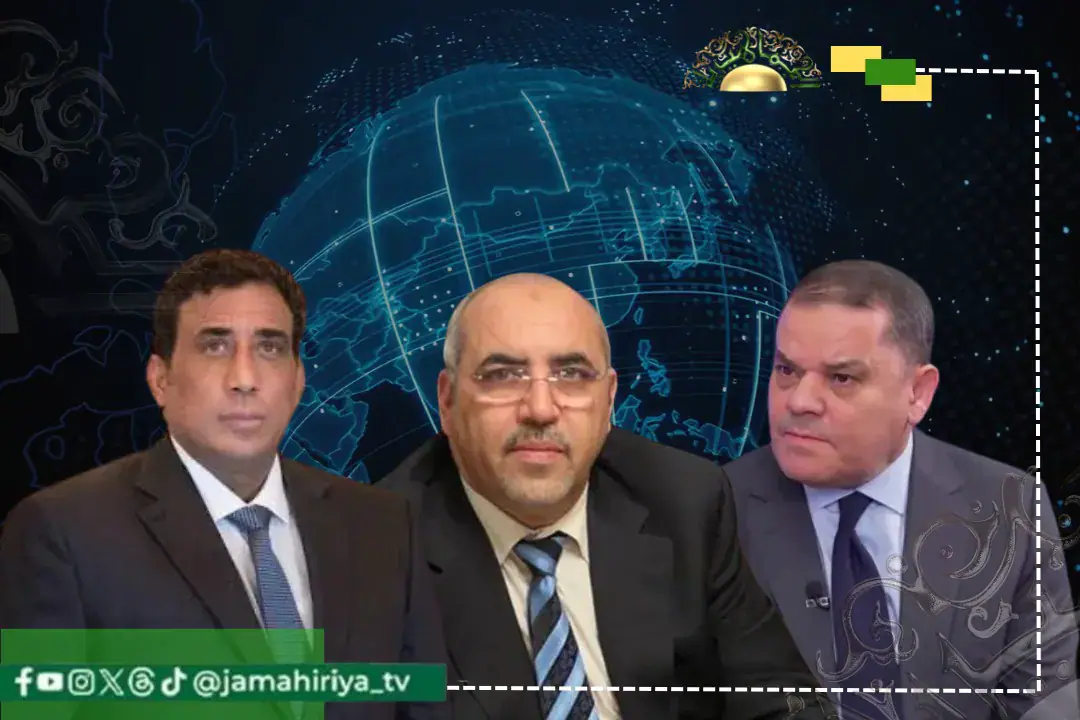
A session of Libya's parliament in the city of Zintan was postponed after allegations emerged that Abdulmajid Mliqta and Abdulhamid Dbeibah were working to obstruct the meeting. According to sources, Mliqta, in coordination with President of the Presidential Council Mohamed Al-Menfi and Dbeibah, prevented the issuance of necessary flight permits for lawmakers to travel to Zintan. This led to the absence of several members, forcing the session to be postponed.
The obstruction was allegedly used as leverage against the parliament, which had refused to approve Al-Menfi's decision to appoint Mliqta as head of the external security device. Parliamentarians insisted on keeping Hussein Al-Ayeb in his position. In response, the parliament accused Dbeibah of issuing instructions to prevent the granting of flight permits. Meanwhile, MP Abdul Salam Nasiya held Dbeibah's government responsible for closing Zintan airport and obstructing the session.
The session, initially scheduled for November 16, was rescheduled to take place at the parliament's headquarters in Benghazi. The developments came as the Presidential Council, led by Al-Menfi, sent a formal letter to the UN Security Council expressing reservations about the performance of the UN Support Mission in Libya. The council requested an independent and comprehensive review of the mission's work and its employees to verify their neutrality, transparency, and independence.
The Presidential Council's concerns centered on the reduced level of direct consultation with them, while prioritizing parties with field influence due to armed force. This raised questions about the balance of institutional representation in political consultations. The council also objected to foreign ambassadors being informed about the results of some consultations before they were presented to relevant Libyan institutions.
The 4+4 committee, which comprises representatives from the National Unity Government and the General Command, has been embroiled in controversy. The Presidential Council opposed the committee's formation and management, citing inadequate institutional representation and unaddressed concerns from the High State Council regarding the selection mechanism for its members.
The State Council rejected the committee's outcomes during its October 5 session, with 72 out of 92 attending members voting against them. The committee had signed an agreement in late August outlining a roadmap to facilitate elections, including restructuring the election commission, reviewing electoral legislation, and working towards unifying the executive authority.
The Presidential Council fears that the UN mission's approach to the political process may weaken Libyan institutions and widen existing divisions, rather than achieving a comprehensive national consensus. The council emphasizes the need for balanced participation of Libyan institutions in consultations and adherence to formal frameworks when making decisions about the future of the political process.
Key points
- The Libyan parliament session in Zintan was postponed due to allegations of obstruction by Abdulhamid Dbeibah and Abdulmajid Mliqta.
- The Presidential Council expressed concerns about the performance of the UN Support Mission in Libya and requested an independent review.
- The 4+4 committee's outcomes were rejected by the State Council due to concerns over representation and selection mechanisms.
Reporting sources
- أزمة جلسة الزنتان.. اتهامات لمليقطة والدبيبة بعرقلة اجتماع مجلس النواب · Aljamahiriya TV