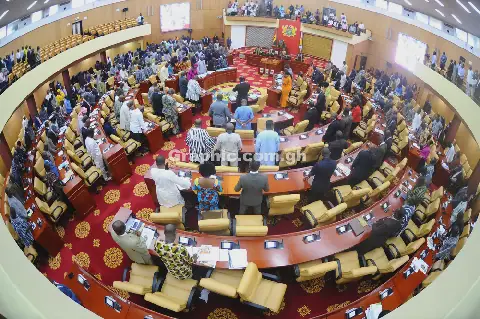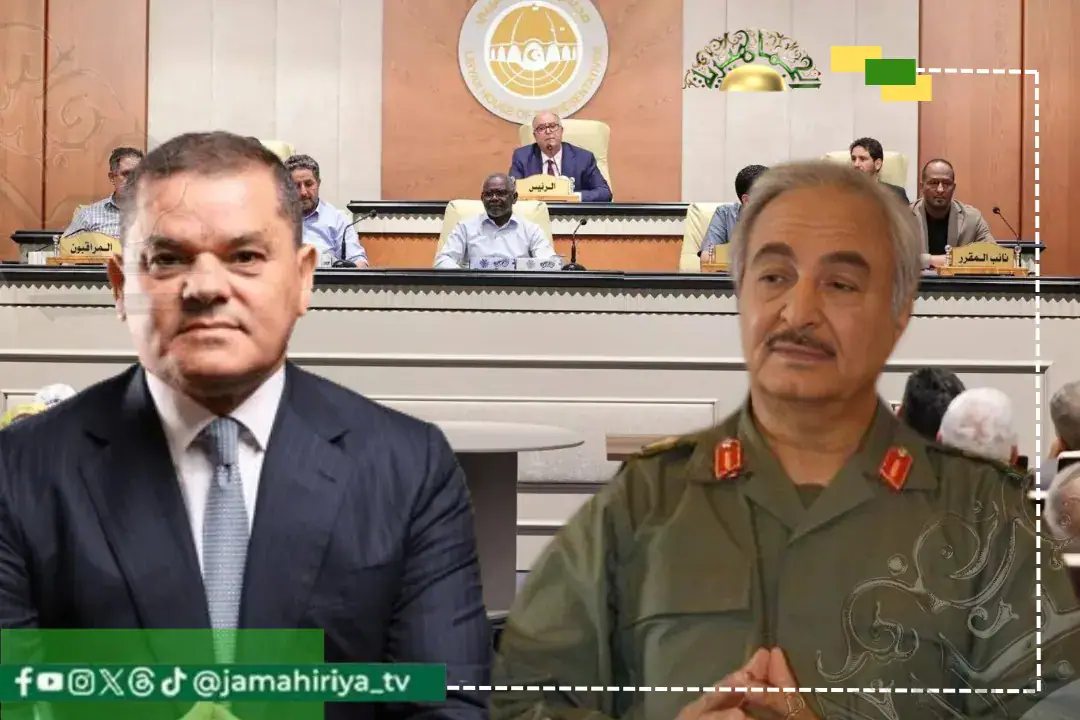
On November 17, 2026, the Libyan government led by Prime Minister Abdul Hamid al-Dbeiba blocked a parliamentary session scheduled to take place in the city of Zentan. The move was seen as an attempt to prevent the expansion of influence of the Al-Rajma camp in western Libya. According to a report by the London-based Arab newspaper, Al-Arab Al-Londn, the incident highlighted the country's ongoing struggle with fragmented power and authority.
The report noted that the problem in Libya is no longer just about the existence of multiple authorities and conflicting jurisdictions, but also about the presence of forces that have the practical ability to disrupt institutions that are supposed to represent the state and derive their authority from legal frameworks. The parliament was not defeated in a political debate, nor was its session disrupted due to disagreements among its members. Instead, it faced an obstacle that prevented it from reaching the meeting place.
The incident in Zentan revealed that the legitimacy of an institution does not automatically translate to actual power. The recognition of an institution's legitimacy by the constitution or politics does not necessarily grant it the ability to impose its decisions or protect its members. The Libyan parliament, which was unable to convene in a Libyan city without complex arrangements and approvals from local forces, faces not only a problem in managing its sessions but also a question about the extent of the state's authority.
The Arab newspaper's report emphasized that Libya has spent years discussing the legitimacy of governments, parliament, and the state council, as well as searching for a constitutional formula to end the transitional phase and rebuild the executive authority on the basis of national consensus. However, these discussions have treated institutions as if their legal existence is enough to guarantee their ability to perform their functions.
The report highlighted that the reality on the ground in Zentan shows that the transition from the idea of a single state to its practice still faces a different reality. The Libyan arena is still governed by varying degrees of local and military influence, and official institutions move within spaces determined by field understandings rather than legal rules.
The incident in Zentan has raised concerns that if the convening of a parliamentary session becomes dependent on the approval of a local party, the institution will have lost part of its independence, regardless of the texts that grant it this independence. The Dbeiba government rejected the move to hold a parliamentary session outside its base in Benghazi and convene a session in Zentan, describing it as an attempt to "impose a new political and institutional reality".
The blocking of the parliamentary session in Zentan has sparked concerns about the fragility of Libya's state institutions and the ongoing struggle for power and authority in the country. The incident has also raised questions about the ability of the Libyan parliament to perform its oversight functions and hold the executive authority accountable.
Key points
- The Libyan government blocked a parliamentary session in Zentan, highlighting the country's ongoing struggle with fragmented power and authority.
- The incident revealed that the legitimacy of an institution does not automatically translate to actual power.
- The blocking of the parliamentary session has sparked concerns about the fragility of Libya's state institutions and the ongoing struggle for power and authority.