A recent development in Libya's parliamentary landscape has stirred significant debate and controversy. The ousting of Aguila Saleh from the position of Speaker of the House of Representatives and the election of Saleh Abulnabi as his replacement have raised questions about the legitimacy of the process and the potential for a new conflict. The change has sparked discussions about the role of the judiciary, the balance of power within the eastern region, and the impact on Libya's political trajectory.
The controversy centers on the legality of the procedures followed in the election of Abulnabi. According to Libya's laws, specifically Article 17 of Law No. 4 of 2014, the Speaker or his deputies can convene a session. However, the opposition argues that the session that elected Abulnabi did not follow the proper procedures, potentially rendering the election invalid. The judiciary is expected to play a crucial role in resolving this dispute.
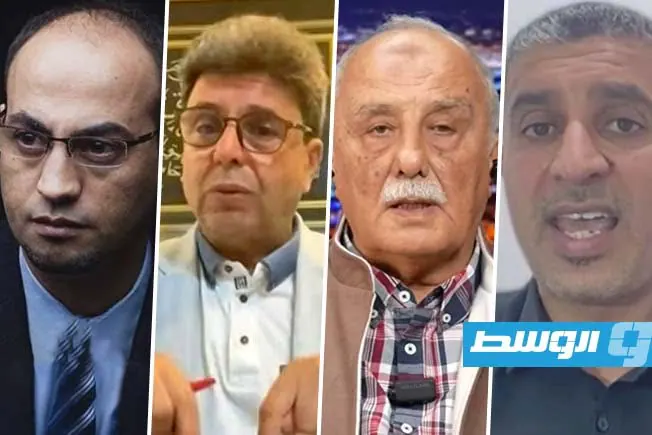
Opinions on the implications of this change vary widely among political analysts and stakeholders. Some view the change as an opportunity to end a long-standing stalemate and revitalize the political process, while others see it as a potential precursor to a new conflict. The change has also raised questions about the future role of Aguila Saleh and the potential for a division within the parliament.
The international community, particularly the United Nations, has been closely watching the developments in Libya. The UN's efforts to facilitate a peaceful resolution to the country's conflict, including the "4+4" talks, may be impacted by this change. Some analysts believe that the change could be linked to efforts to push forward with a new political arrangement, while others see it as a potential obstacle.
A key aspect of the controversy is the potential for a division within the eastern region, with some questioning whether Aguila Saleh will continue to wield influence alongside the new Speaker. The reactions of key stakeholders, including Field Marshal Khalifa Haftar and the government, will be crucial in determining the outcome.
The change in leadership has also sparked debate about the potential for a new era of cooperation and consensus-building within the parliament. Some analysts believe that the election of Abulnabi could mark a turning point in Libya's transition, while others see it as a potential setback.
Ultimately, the success of the new leadership will depend on its ability to navigate the complex web of alliances and rivalries within Libya's politics. The upcoming elections will be a critical test of the parliament's legitimacy and its ability to pave the way for a stable and democratic future.
Key points
- The change in leadership has sparked controversy and debate over legitimacy and implications for Libya's political future.
- The judiciary is expected to play a crucial role in resolving the dispute over the election of the new Speaker.
- The change has raised questions about the potential for a division within the eastern region and the impact on Libya's transition.