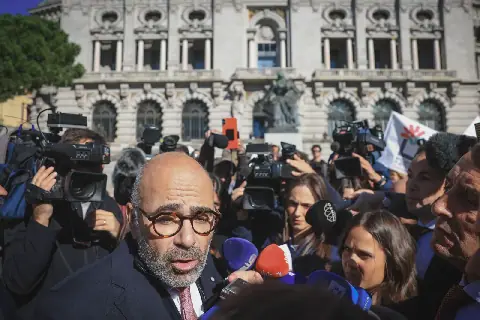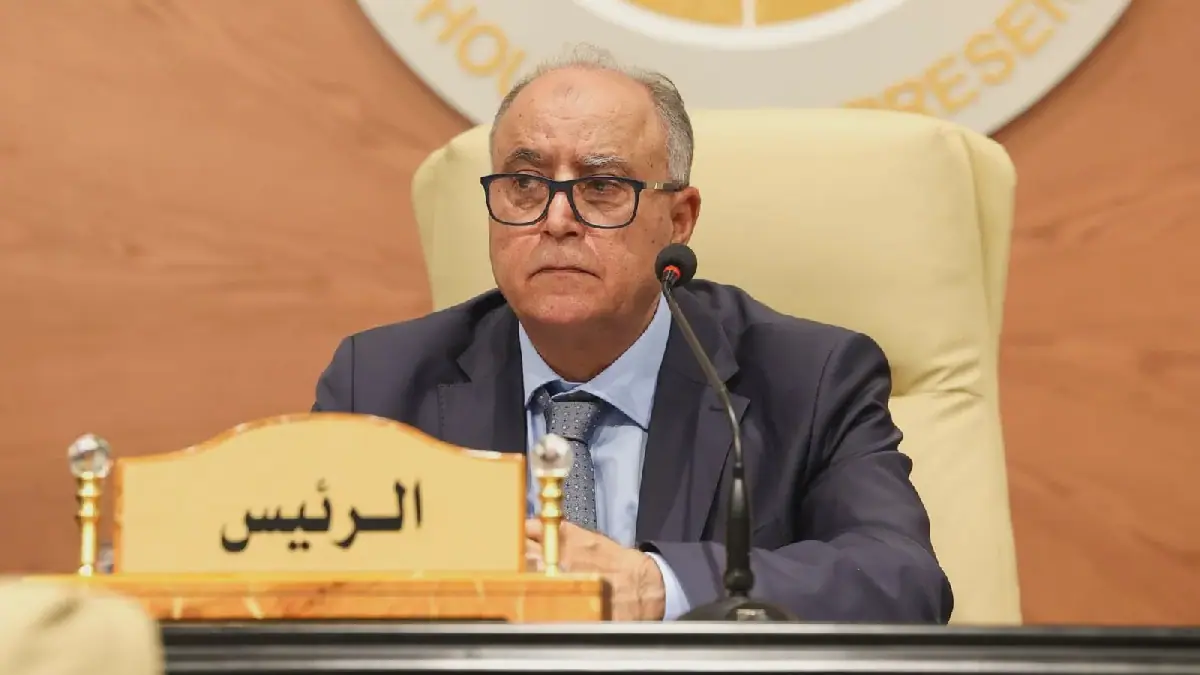
Libya's House of Representatives has proposed a plan to lift fuel subsidies and replace them with direct cash compensation for Libyan citizens. The proposal, put forth by House of Representatives head Saleh Abdul Nabi, aims to reduce waste and ensure that subsidies reach those who need them. Abdul Nabi has called on economic and financial experts to develop a plan for the reform.
According to Abdul Nabi, the current fuel subsidy system has led to significant waste, with allocations rising to between 25 and 40 billion Libyan dinars. He emphasized the need for a detailed study to determine the actual quantities of fuel needed by Libya and to establish a mechanism to ensure that subsidies reach citizens. The proposed cash compensation could be distributed through monthly salaries or specialized cards.
Abdul Nabi also addressed the issue of fuel supply, stating that there are irregularities in the National Oil Corporation and marketing management. He claimed that some fuel quantities are not delivered on time and are instead postponed to later months, creating opportunities for manipulation and profiteering. To address this, Abdul Nabi suggested reassigning the import of fuel to the Brega Oil Marketing Company.
The House of Representatives head also emphasized the need to reorganize the general budget, particularly the first chapter related to salaries and similar expenses. He stressed the importance of working with the Planning and Finance Committee and relevant authorities to control this chapter and exclude non-essential expenses. Abdul Nabi warned that the House of Representatives will not pass a budget that includes unnecessary expenses.
Abdul Nabi criticized the practice of opening documentary credits without corresponding financial coverage, considering it an abuse of state resources. He called for addressing these imbalances and preventing their recurrence. Experts were also asked to develop a vision for the relationship between the Libyan Foreign Bank and the Central Bank of Libya.
The House of Representatives head proposed establishing a budget for imports within the state's general budget, with a clear financial value. He emphasized that this budget should focus on essential citizen needs, such as food, medicine, and animal feed. Abdul Nabi stressed the need to stop opening credits for non-essential goods and direct available resources to alleviate living burdens.
Finally, Abdul Nabi addressed the health sector, calling for a unified mechanism for importing medicine into Libya. He warned about the risks of counterfeit or poorly stored and distributed medicines. Experts and specialists were urged to form committees and working groups to develop practical proposals to address economic and financial imbalances.
Key points
- Libya's House of Representatives proposes replacing fuel subsidies with direct cash compensation for citizens.
- The proposal aims to reduce waste and ensure that subsidies reach those who need them.
- Experts have been called upon to develop a plan for the reform and address economic and financial imbalances.