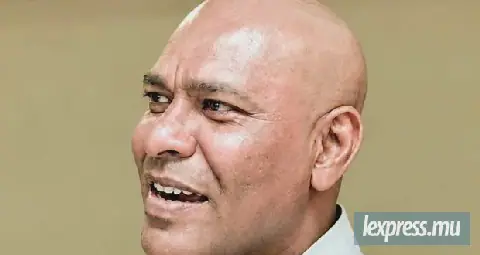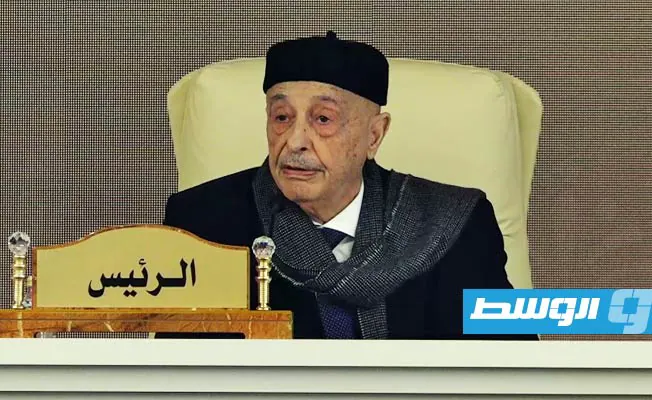
In a significant development, Libya's House of Representatives has ousted its longtime leader, Aguila Saleh, who had been in office since 2014. According to reports from Radio France International, Saleh's ousting was largely due to his conservative approach and increasing criticism from other lawmakers. A total of 12 years of leading the Libyan parliament came to an end as the lawmakers voted to amend the internal regulations and elected a new leader, Abdulnabi Al-Obaidi.
The move has been seen as a major shift in the country's power dynamics, with Saleh's ousting attributed to his clash with Sadam Hifter, the deputy commander of the Libyan National Army. While Saleh has been a staunch supporter of LNA commander Khalifa Hifter, his approach has been at odds with Sadam Hifter's vision for the country's future. The younger Hifter has been pushing for a new approach to Libya's crisis, one that involves international diplomatic efforts.
Analysts say that the ousting of Saleh could be a significant blow to his supporters, but it remains to be seen how this will impact the country's overall stability. According to Jalal Harshawi, a political analyst specializing in Libyan affairs, Sadam Hifter is keen to gain more international recognition before parliamentary elections. Harshawi notes that while Saleh's ousting may be seen as a victory for Sadam Hifter, there is still much work to be done.
The development has sparked mixed reactions, with some hailing it as a positive step towards change and others expressing concerns about the potential consequences. Saleh had been a dominant figure in Libyan politics for over a decade, and his departure leaves a power vacuum that will likely be filled by new players. The country's parliament will now have to navigate a new dynamic, one that could have far-reaching implications for Libya's future.
The international community has been closely watching developments in Libya, where a fragile peace process has been underway. The United Nations has been working to broker a lasting peace agreement, but progress has been slow. The ousting of Saleh could potentially create new opportunities for dialogue, but it also risks further destabilizing the country. Libya's neighbors and international partners will be watching closely to see how events unfold.
As the situation in Libya continues to evolve, one thing is clear: the country's path forward will be shaped by complex power dynamics and competing interests. With Saleh out of office, new alliances will likely be forged, and old rivalries will continue to play out. The international community will be keeping a close eye on developments, hoping that Libya can find a path towards stability and prosperity.
The aftermath of Saleh's ousting will likely be marked by further maneuvering and politicking. As the country's leaders navigate this new landscape, they will have to balance competing interests and priorities. For Libya, the road ahead will be long and challenging, but with the right leadership and international support, there is hope that the country can overcome its many challenges and build a brighter future.
Key points
- The ousting of Aguila Saleh marks a significant shift in Libya's power dynamics.
- Saleh's departure leaves a power vacuum that will likely be filled by new players.
- The international community will be watching closely to see how events unfold in Libya.