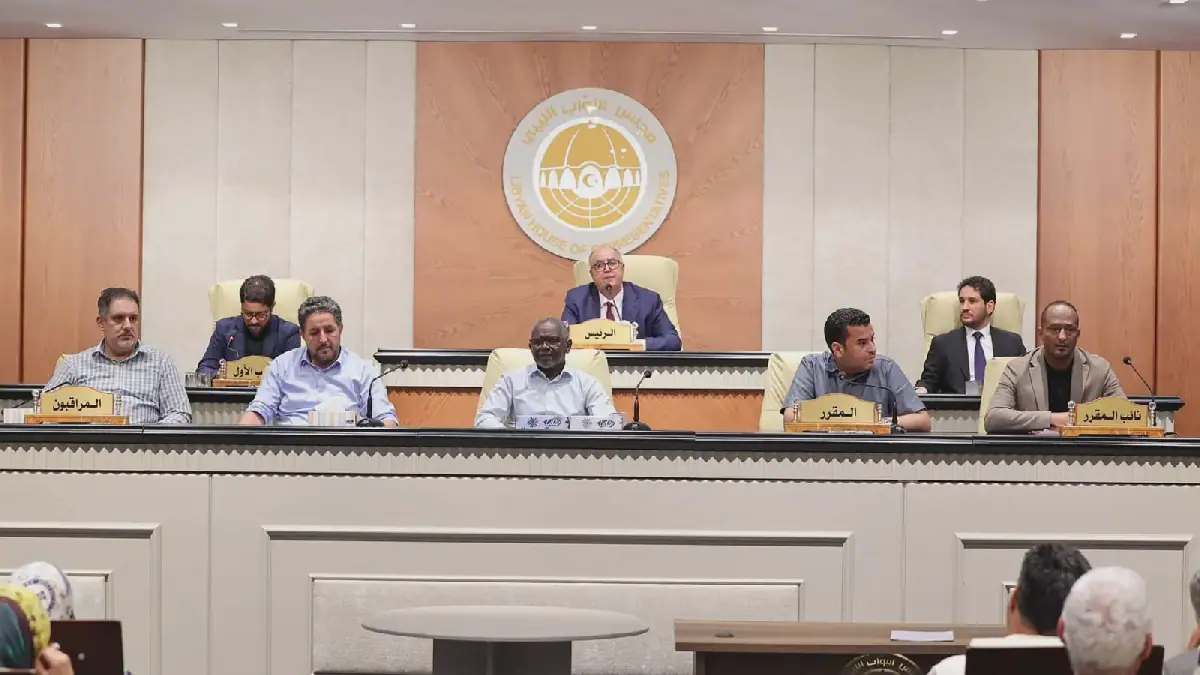
Libya's parliament has instructed a team of experts to develop studies and practical plans to address economic imbalances, with a focus on overhauling the fuel import system. The goal is to ensure that fuel reaches actual consumers and to limit smuggling and exploitation. This move is part of efforts to mitigate the economic crisis, which has led to rising inflation and decreased purchasing power for Libyan families.
Parliament Speaker Saleh Abd al-Nabi emphasized the gravity of the crisis and the need to address imbalances to prevent further depletion of public resources. The parliament's statement, released after a recent economic consultative meeting, highlighted the importance of finding solutions to the economic challenges facing the country. Abd al-Nabi stressed that the current situation requires urgent attention to protect the livelihoods of Libyan citizens.
The parliament's statement also addressed the issue of subsidies, stating that a transition from in-kind support to cash support is being considered as part of reform efforts. However, this does not imply an immediate cancellation or replacement of existing subsidies. The primary concern is to ensure that citizens' rights are protected and that any changes benefit them fairly.
According to the parliament, any decision on transitioning to cash support will only be made after completing studies and ensuring that the state is prepared to provide necessary guarantees and safeguards for citizens. The aim is to implement feasible solutions that lay the groundwork for a more sustainable economy and achieve stability.
The Libyan parliament's efforts to address economic challenges come as the country continues to face significant hurdles in managing its resources and providing for its citizens. The overhaul of the fuel import system and potential transition to cash support are seen as crucial steps towards achieving economic stability and improving living standards.
Experts and stakeholders will closely watch the implementation of these plans, as they have the potential to significantly impact Libya's economy and the lives of its citizens. The parliament's emphasis on protecting citizens' rights and ensuring fair benefits suggests a cautious approach to reform.
The Libyan government faces significant challenges in addressing the country's economic imbalances, but the parliament's directive to develop practical plans offers a positive step towards finding solutions. The success of these efforts will depend on effective implementation and coordination among various stakeholders.
Key points
- Libya's parliament has directed experts to develop plans to address economic imbalances, focusing on fuel imports and potential cash support transition.
Reporting sources
- مجلس النواب يوجه بضبط المحروقات ويوضح شروط التحول للدعم النقدي · Libya Al Ahrar TV