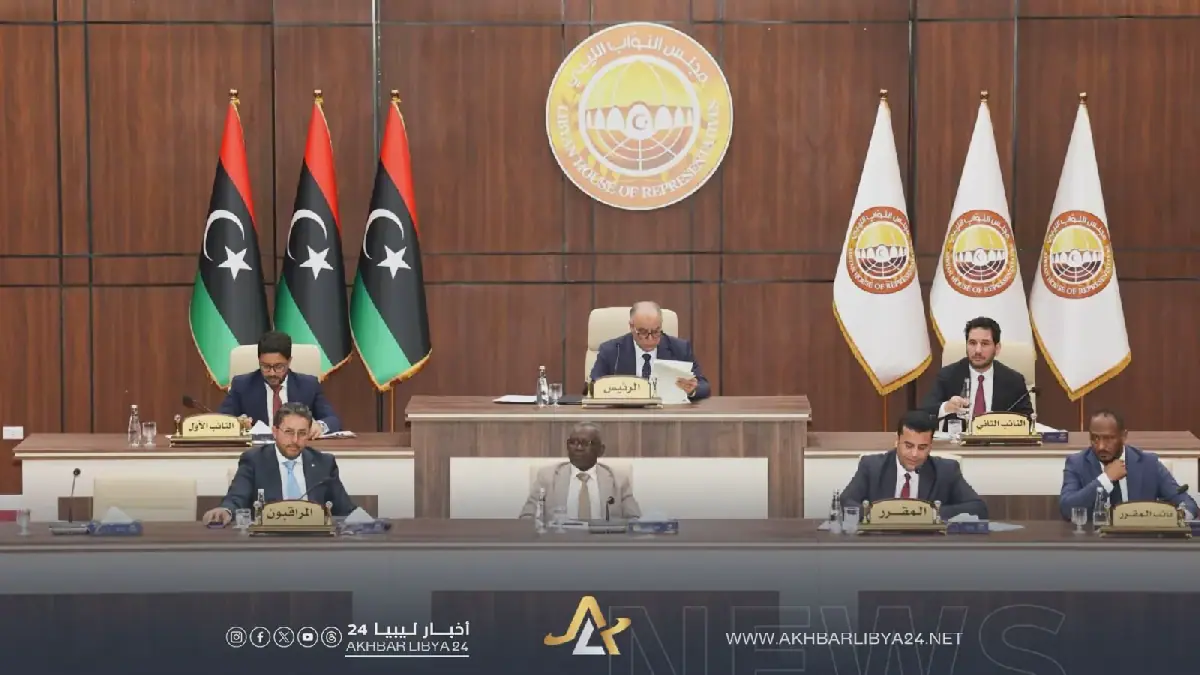
Libya's parliament, led by Speaker Aguila Saleh, held a session in the city of Sebha on Monday, November 2, 2026. The session was attended by 90 lawmakers, including First Deputy Tariq Al-Ashtar and Second Deputy Mashallah Duma. The parliament discussed and voted on several key issues, including a law on conscription and mobilization, and the creation of an oil refinery in the southern region.
The session was marked by a speech from Speaker Saleh, who expressed his happiness at holding the session in Sebha, describing it as the heart of Libya's southern region. He emphasized that the session's location demonstrated the state's commitment to being present in different parts of the country and responding to citizens' needs. The parliament's decision to hold a session in Sebha for the first time in Libya's history was seen as a historic and national occasion.
During the session, lawmakers discussed and voted on a proposed law on conscription and mobilization. After some debate, 82 lawmakers out of 90 voted in favor of the law, which had undergone some amendments. This development represents a significant legislative step forward for the country. The law aims to regulate the country's defense and security apparatus.
The parliament also discussed a memorandum submitted by lawmakers, the deputy prime minister, and local leaders from the southern region. The memorandum outlined several requirements and needs facing the region. Lawmakers voted unanimously to establish an oil refinery in the south, reflecting a long-standing demand to boost economic projects in the region and utilize oil resources to support local development and job creation.
In another significant decision, the parliament voted to appoint Dr. Fawzi Abukhzam as the new governor of the Central Bank of Libya, succeeding Najy Mohamed Issa. The decision was made with 78 lawmakers voting in favor of Abukhzam's appointment. This move comes as the country faces significant economic challenges, including maintaining monetary stability and managing the national currency's exchange rate.
The parliament also decided to hold its next session in the city of Az-Zintan on November 16, 2026. This decision follows a series of sessions held in different cities, aiming to bring the legislative body closer to citizens and address local concerns. The session in Sebha resulted in several key decisions, including the approval of the conscription law, the creation of an oil refinery in the south, and the appointment of a new central bank governor.
The decisions made during the session reflect the parliament's efforts to address pressing national issues, including economic development, security, and legislative reform. The establishment of an oil refinery in the south is expected to have a positive impact on the region's economy and provide new job opportunities. The appointment of a new central bank governor comes at a critical time, as the country faces significant economic challenges.
Key points
- The Libyan parliament has voted to establish an oil refinery in the southern region.
- Dr. Fawzi Abukhzam has been appointed as the new governor of the Central Bank of Libya.
- The parliament's next session will be held in Az-Zintan on November 16, 2026.