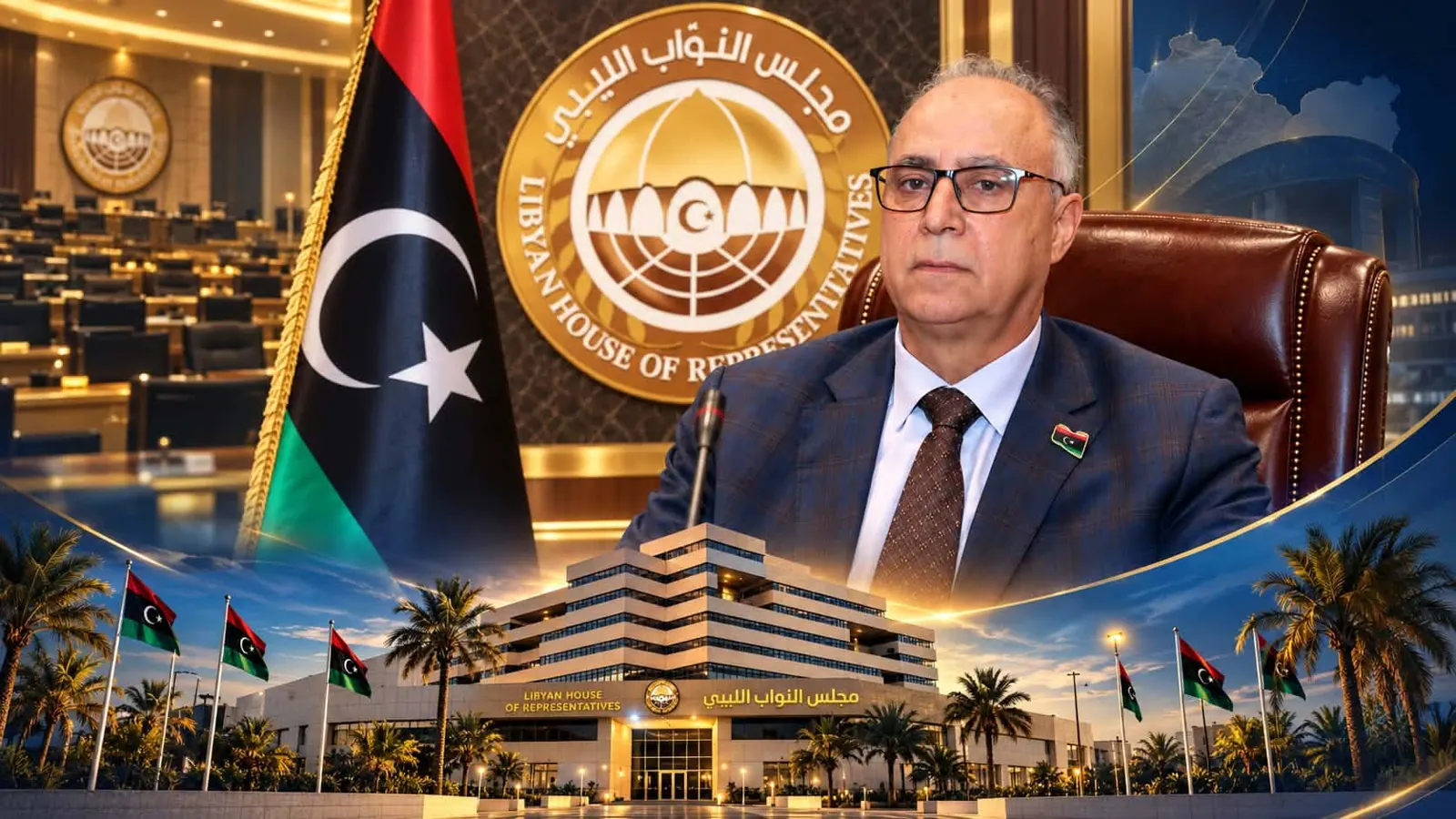
In a significant development, Libya's House of Representatives has elected a new speaker, Salehien Abdelnabi Mohamed Sadiq Al-Obaidi, replacing long-time incumbent Aguila Saleh. The election took place on October 6, 2026, in a session held in Benghazi, with over 100 lawmakers in attendance. Al-Obaidi, a civil engineer from Tobruk, has been a member of parliament since 2014 and has chaired several committees, including the Infrastructure and Foreign Affairs committees.
Al-Obaidi's election was made possible after parliament approved an amendment to its internal regulations, allowing for a new cycle of leadership. The amendment was backed by 98 lawmakers out of 102 in attendance. The new speaker has extensive administrative and political experience, having headed several companies and served as president of the Falcons Club. He hails from the Obaidat tribe, the same tribe as outgoing speaker Aguila Saleh.
However, Aguila Saleh has rejected the election results, citing concerns over the legitimacy of the procedures that led to Al-Obaidi's election. Saleh argued that the previous session was irregular and had no legal effect, emphasizing that the procedures for amending the regulations and electing a new leadership did not follow the required rules and controls. In response, Saleh canceled the session scheduled for October 6 and postponed it to a later date.
The election of Al-Obaidi has sparked concerns about the legitimacy of the new leadership, with Saleh's supporters questioning the validity of the procedures. This development has created a rift within the parliament, with 86 lawmakers previously accusing Saleh of preventing them from entering the parliament building and holding a session to discuss reforms and amend the internal regulations.
Al-Obaidi's election marks a new phase for the Libyan parliament, which is tasked with reorganizing the legislative institution amidst ongoing disputes over the internal regulations and the powers of the leadership. The new speaker has vowed to enhance the role of the parliament and promote dialogue. His election has also raised questions about the future of the Libyan political process and the role of the parliament in addressing the country's challenges.
The international community is closely watching the developments in Libya, where a fragile political process is underway. The country's lawmakers have been struggling to address various challenges, including security, economic, and social issues. The legitimacy of the new leadership will be crucial in determining the success of the political process and the stability of the country.
As the situation continues to unfold, it remains to be seen how the various stakeholders will respond to Al-Obaidi's election and the legitimacy concerns raised by Saleh and his supporters. The coming days and weeks will be crucial in determining the course of Libyan politics and the role of the parliament in shaping the country's future.
Key points
- Libyan parliament elects new speaker, Salehien Abdelnabi Mohamed Sadiq Al-Obaidi, replacing Aguila Saleh.
- Aguila Saleh rejects election results, citing concerns over legitimacy of procedures.
- New speaker faces challenges in establishing legitimacy and promoting dialogue amidst ongoing disputes.