On October 7, 2026, the Libyan parliament, also known as the House of Representatives, elected a new leadership in a session presided over by second deputy speaker, Massoud Dwuma. Saleh al-Abidi, a representative from the city of Tobruk, was elected as the new president of the parliament, replacing Aguila Saleh.
The new leadership also includes Tariq al-Ashtar, who was elected as the first deputy speaker, while Massoud Dwuma retained his position as the second deputy speaker. Zaid Hadiya was elected as the secretary, and Mohamed Tamer as the deputy secretary. Additionally, Saleh Afhima, Suleiman Swiker, and Mohamed Amdor were elected as the parliament's monitors.
The election of the new leadership comes amid controversy over the legitimacy of the session. The parliament's move has sparked debate over its implications for the country's political landscape, particularly in the eastern region. Analysts are examining whether this change represents a shift in the balance of power and its potential impact on Libya's ongoing political crisis.
The new leadership will have to navigate the complex and contentious issues facing the country, including the constitutional framework, elections, and the role of the parliament. The session was boycotted by some lawmakers, who argued that it was not legitimate. The parliament's decision has also drawn reactions from various Libyan and international actors.
The Libyan parliament's move has raised questions about its implications for the country's future, particularly in the context of ongoing efforts to address the country's multiple crises. Libya has faced significant challenges in recent years, including a protracted conflict, a severe economic crisis, and ongoing divisions between different regions and factions.
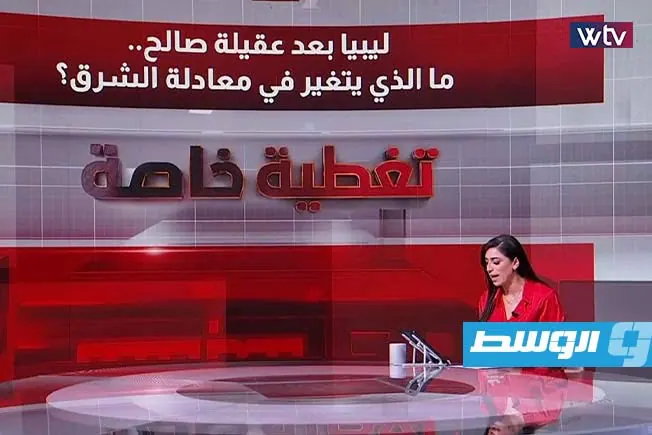
On October 8, 2026, the Libyan TV channel, Wasat TV, aired a special coverage of the parliament's election, discussing the implications of the new leadership and the potential scenarios for the country's future. The channel featured analysis from various experts and commentators, offering insights into the complex dynamics at play in Libyan politics.
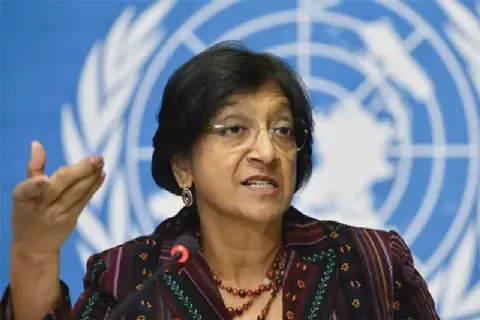
Key stakeholders, including the United Nations, have expressed concern over the country's ongoing divisions and the need for a negotiated solution to the crisis. The international community has repeatedly called for Libyan actors to engage in dialogue and work towards a peaceful resolution to the country's challenges.
Key points
- The Libyan parliament has elected a new leadership, with Saleh al-Abidi as its president, amid controversy over the legitimacy of the session.
- The new leadership will have to navigate complex issues, including the constitutional framework, elections, and the role of the parliament.
- The international community has expressed concern over Libya's ongoing divisions and called for a negotiated solution to the crisis.