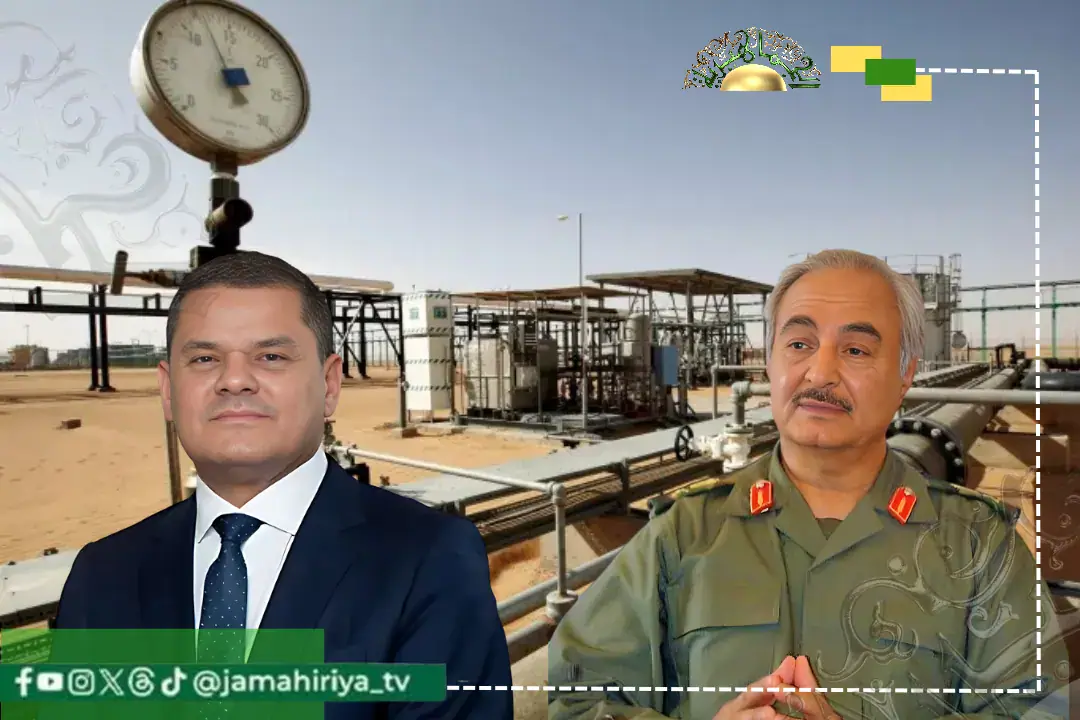
Libya is facing a paradoxical economic situation where oil revenues are on the rise, but the country's citizens are becoming increasingly impoverished. According to a report by Aljamahiriya TV, the issue is not a lack of resources, but rather the mismanagement of public funds and the absence of a unified and effective system for oversight and accountability. This has led to a decline in the standard of living for Libyans.
The report highlights that the decline of the Libyan dinar has resulted in a decrease in purchasing power and an increase in the cost of food, medicine, and basic goods. This is largely due to the country's reliance on imports. The International Bank has noted that public spending has drained nearly $8 billion from foreign reserves between 2023 and 2025, prompting the central bank to devalue the dinar twice in less than a year.
Fuel smuggling is another significant drain on the country's resources, with estimates suggesting that between 30 and 50% of fuel imports are being smuggled out of the country. This translates to a value of between $2.4 and $4.4 billion between January and September 2026. In contrast, the country's general revenue for the first nine months of 2026 was approximately 114.6 billion dinars, with over 97% of it coming from oil revenues.
The report also reveals that the majority of public spending goes towards salaries and subsidies, with 60.6 billion dinars allocated for salaries and 14.3 billion dinars for subsidies. In contrast, only 1.6 billion dinars were allocated for developmental spending. This misallocation of resources reflects a broader issue with public spending priorities.
The country's ongoing political divisions and multiple centers of financial decision-making have weakened oversight and created opportunities for waste, corruption, and conflicting interests. The UN's special envoy, Hana Titez, has warned of the risks of weak financial governance and the intertwining of political interests with public resource management.
To address these issues, the report calls for the unification of economic and financial institutions, increased transparency and oversight, and reform of the subsidy system and fuel smuggling. It emphasizes that Libya's crisis is not one of resource scarcity, but rather one of resource management and distribution.
Ultimately, the report concludes that Libya's oil wealth will not translate to improved living standards for its citizens without genuine reform of public spending, governance, and state institutions. The country's future stability and prosperity depend on addressing these pressing issues.
Key points
- Libya's oil revenues have increased, but citizens' poverty persists due to corruption and mismanagement.
- Fuel smuggling and poor public spending priorities are significant drains on the country's resources.
- Reforming governance, transparency, and public spending is crucial to addressing Libya's economic crisis.