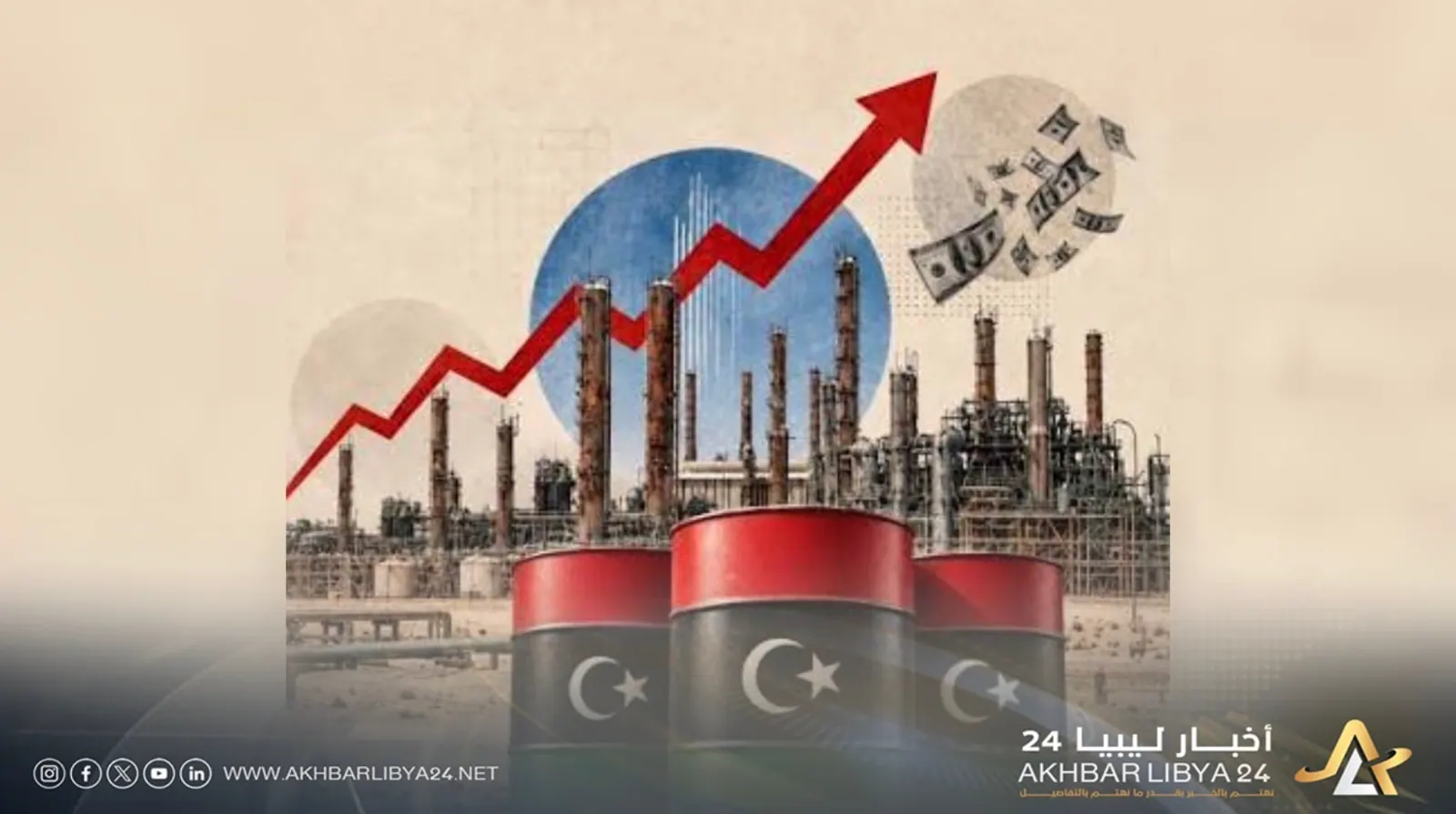
Libya's oil sector is facing significant challenges due to repeated shutdowns of oil fields, pipelines, refineries, and ports. These shutdowns, often driven by social and functional demands, as well as security and political issues, have put the oil sector at risk, impacting production, revenue, and the country's investment climate. The shutdowns have become a recurring problem, with the latest incident causing significant losses.
According to oil expert Othman al-Hudairi, the shutdowns are no longer just expressions of labor disputes or local protests but have become a means of political and security pressure. He warned that this could impact production continuity, facility safety, and Libya's investment image. The developments in the oil sector in 2026, including the storming of the Mellitah complex in July and the subsequent shutdown of the Fiel field, have highlighted the complexity of the problem.
The shutdowns are often linked to geographic, security, and economic factors, particularly in the south and west, where large fields such as Sharara, Fiel, and Wafaa are located. Some production areas rely on limited transportation routes and chokepoints, which can lead to significant production losses if disrupted. Al-Hudairi emphasized that addressing these issues requires a comprehensive approach, taking into account social and political factors.
The impact of shutdowns extends beyond lost oil production, affecting foreign exchange earnings, public revenue, and increasing the need for imported petroleum products. The recent shutdown resulted in a loss of around 650,000 barrels over five days, with direct financial losses exceeding $95 million by September 25. The shutdowns also affect the Zawiya refinery, which had to reduce operations before gradually resuming production.
Al-Hudairi stressed the importance of distinguishing between the parties responsible for the shutdown and determining final criminal or political responsibility, which requires legal investigations and evidence. He divided responsibility into three levels: the party executing the shutdown, the security agency tasked with protecting the facility, and the state's institutional responsibility to provide a secure and legal framework.
The shutdowns are driven by various factors, including financial and functional demands, social and development needs in production areas, and the political factor, which has been used as a means of pressure in power and resource disputes. Al-Hudairi noted that weak security institutions and a lack of deterrence contribute to the recurrence of shutdowns.
The Libyan citizen bears part of the cost of shutdowns through their impact on public revenue, foreign exchange availability, and the supply of petroleum products. Al-Hudairi emphasized that addressing demands should be done through a legal and institutional framework to prevent shutdowns from becoming a means of pressure. He also warned that repeated shutdowns increase operational and political risks for foreign companies operating in Libya.
Key points
- Repeated oil shutdowns in Libya pose significant risks to the national economy and investment climate.
- The shutdowns are driven by various factors, including financial, functional, social, and political demands.
- Addressing the issue requires a comprehensive approach, including a legal and institutional framework to prevent shutdowns and protect the oil sector.