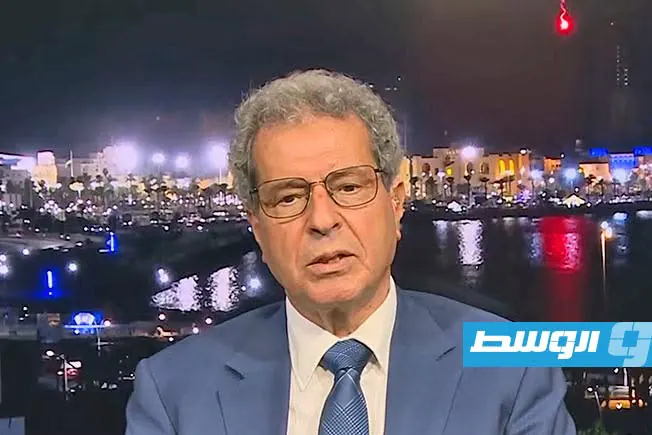
Libya's oil sector is plagued by corruption and nepotism, according to former Oil Minister Mohamed Oun. In an interview with Al Arabiya's "Qabil lil Jadl" program on October 4, Oun claimed that the current Oil Minister, Rjab Khalifa Abdel Sadek, is in his position "illegally" and described him as an "impostor." Oun also stated that he has obtained four court judgments to reinstate him to his former position, from which he was removed in March 2024, but none have been implemented.
Oun attributed the conflict between him and the government of Prime Minister Abdul Hamid al-Dbeiba to oil interests, specifically the government's desire to contract with foreign companies. He opposed the government's plans to contract with the "Hiss" oil company and modify agreements with "Eni" and other alliances. The government has since approved the sale of "Hiss's" stake in the Waha concession to Total of France and ConocoPhillips of the US.
The former minister also touched on his detention and suspension from work. In March 2024, he was suspended by the Administrative Control Authority on charges of legal violations and renewing agreements with foreign oil companies without presenting them to the legislative authority. In September 2025, he was arrested and detained to serve a previous four-year prison sentence for misusing his power and neglecting public funds during his tenure as head of the Zueitina Oil Company in 2006.
Oun expressed his desire to see the situation corrected and legitimacy restored to the government, citing the Geneva agreement that established the interim government and the withdrawal of confidence by the House of Representatives. He emphasized that he did not request any position in his life and is not eager to return to his former role. Oun also mentioned that the government of Prime Minister Osama Hamad, appointed by the House of Representatives, lacks an oil minister, which he considers a mistake.
The issue of corruption in Libya's oil sector has significant implications for the country's economy and stability. Libya is a major oil producer, and any instability or mismanagement in the sector can have far-reaching consequences. Oun's statements highlight the need for transparency and accountability in the oil sector and the importance of addressing corruption and nepotism.
The current government's handling of the oil sector has been criticized by many, including Oun, who argue that it has led to corruption and mismanagement. The government's plans to contract with foreign companies have been met with resistance from some quarters, who argue that they may not be in the best interests of the country. The issue remains a contentious one, with various stakeholders vying for influence and control.
The international community has been following developments in Libya's oil sector with concern. The country's stability and security are crucial for the global economy, particularly given its significant oil reserves. The international community has called for calm and stability in Libya and urged all parties to work towards a peaceful resolution.
Key points
- Corruption and nepotism plague Libya's oil sector, according to former Oil Minister Mohamed Oun.
- Oun has four court judgments to reinstate him as oil minister but none have been implemented.
- The issue of corruption in Libya's oil sector has significant implications for the country's economy and stability.