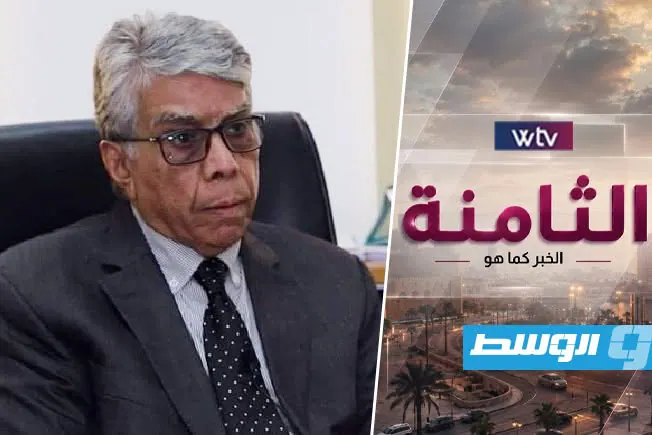
Dr. Abdeljalil Maayouf, former advisor to the National Oil Corporation (NOC), stated that the demands of Libya's oil facility guards are legitimate and must be addressed. He made these comments during an interview on Al-Wasat TV's "Al-Thamina" program. Maayouf emphasized that the current working conditions of the guards are dire and accused the NOC of not giving this issue sufficient attention.
The guards, responsible for protecting Libya's vital oil infrastructure, have been demanding better working conditions and higher salaries. Their demands come as the country's oil production has been impacted by the closure of the Sharara oil field. On September 21, an armed group closed valve number 7, halting the transfer of oil from the Sharara field to the Zawiya refinery. This led to significant losses in production, maintenance, and shipping.
The NOC announced on September 26 that the valve had been reopened, and oil production had resumed. However, Maayouf warned that the damage caused by the closure would have long-term effects on Libya's economy. He stressed the importance of addressing the guards' demands to ensure the continued protection of Libya's oil infrastructure, which is crucial to the country's economy.
The closure of the Sharara oil field and the subsequent loss of production have significant implications for Libya's economy. The country's reliance on oil exports makes the stability of its oil infrastructure critical. The guards' demands highlight the need for improved working conditions and compensation for those responsible for protecting this infrastructure.
The NOC and the Libyan government face pressure to address the guards' demands and ensure the continued stability of the country's oil production. The international community is also watching closely, as the stability of Libya's oil production has implications for global markets. The African and international community have been urging for a resolution to the issue.
The Libyan government and the NOC must balance the demands of the oil facility guards with the need to maintain stability in the country's oil production. The issue is further complicated by the presence of armed groups and the complex security situation in Libya. A lasting solution will require dialogue and cooperation between all parties involved.
The situation highlights the challenges faced by Libya in maintaining its oil production and infrastructure. The country's oil sector is a critical component of its economy, and addressing the demands of the oil facility guards is essential to ensuring the continued stability of the sector.
Key points
- Dr. Abdeljalil Maayouf stated that the demands of Libya's oil facility guards for better working conditions and higher salaries are legitimate and must be addressed.