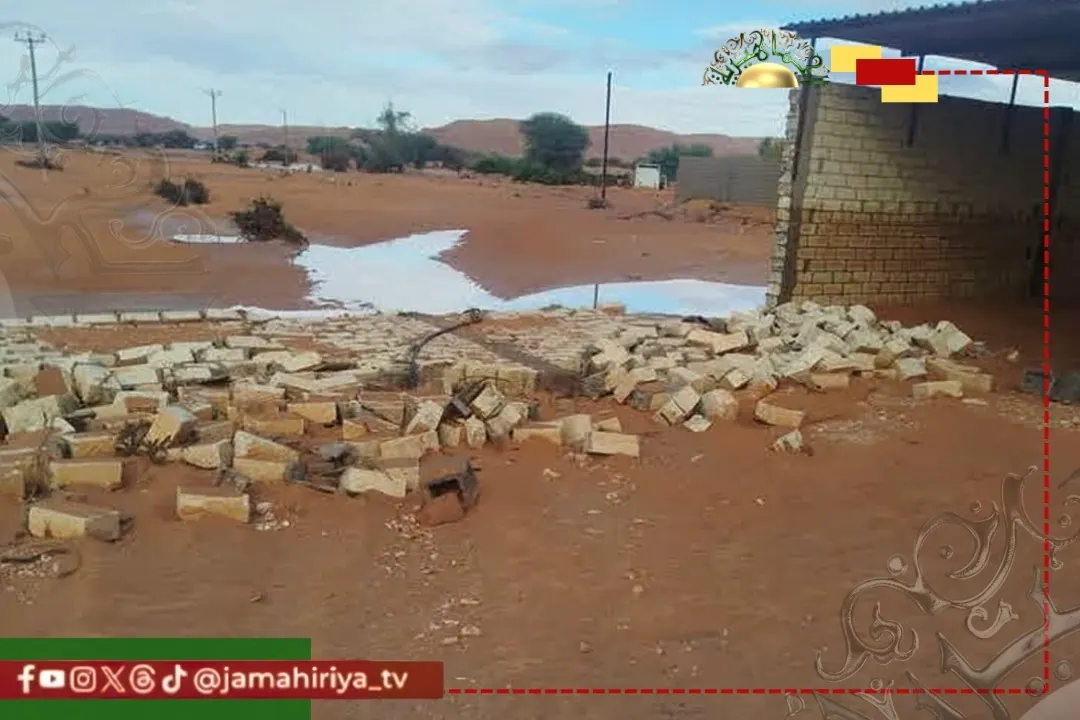
The municipality of Nisma in Libya has elevated its state of preparedness and vigilance in anticipation of potential new floods in the coming hours. Authorities have warned residents to immediately steer clear of valleys, watercourses, and low-lying areas to ensure their safety. This heightened alert comes after Nisma experienced heavy rains and floods on Friday, resulting in property damage and the evacuation of several stranded families.
A school has been designated as an emergency shelter for those displaced by the floods. The municipality's move to increase preparedness may also involve activating an evacuation plan should water levels rise or floods approach residential areas. The recent floods have brought attention to the recurring issue of Libya's crumbling infrastructure, particularly the networks for stormwater drainage, roads, bridges, and water management facilities.
The problems with Libya's infrastructure have been building up since 2011, following years of division and conflict. Studies and reports have highlighted that inadequate investment in maintaining certain infrastructure has contributed to the deterioration of various services. The need for regular maintenance of drainage networks, roads, and water management structures is becoming increasingly urgent.
In 2020, repairs and rehabilitation work were carried out on the Nisma-Beni Walid road after it suffered from erosion due to floods, which destroyed five bridges. However, with the renewed threat of floods, there is a growing emphasis on the necessity of proactive measures. These measures include regular maintenance and preparedness rather than merely responding to emergencies after damage has occurred.
The floods have resulted in significant financial losses and displacement of people. The municipality's efforts to mitigate the impact of the floods are ongoing. Residents are being kept informed about the situation through various channels.
Libya's infrastructure challenges are multifaceted and require a comprehensive approach to address. The government and relevant authorities are faced with the task of allocating resources to upgrade and maintain critical infrastructure. This will help minimize the risks associated with natural disasters such as floods.
The situation in Nisma serves as a reminder of the importance of disaster preparedness and infrastructure resilience in Libya. The international community is also playing a role in supporting Libya's efforts to improve its infrastructure and mitigate the effects of natural disasters.
Key points
- The municipality of Nisma has raised its alert level in anticipation of potential new floods.
- The recent floods have highlighted the need for regular maintenance of Libya's infrastructure.
- A school has been designated as an emergency shelter for those displaced by the floods.