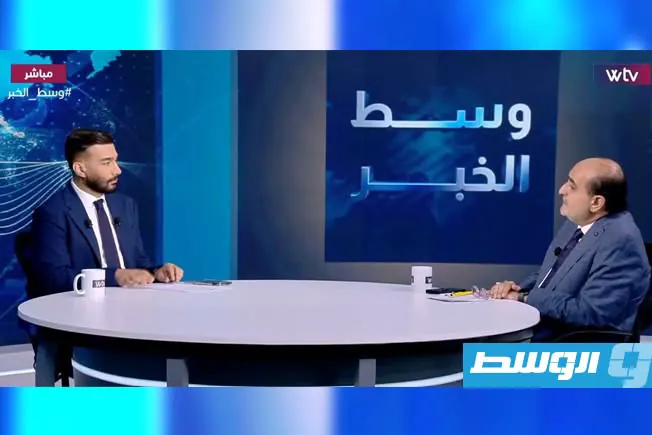
A recent episode of "وسط الخبر" (Middle News), broadcast on Libya's Al Wasat TV, delved into the Iranian proposal to reopen the Strait of Hormuz and resume negotiations with the United States. The discussion comes against the backdrop of heightened tensions in the region and the ongoing impact of the conflict on global energy markets. The program, presented by Walid Frij on September 12, 2026, examined the intricacies of the Iranian offer.
According to Iranian Foreign Minister Abbas Araghchi, Tehran has presented a "concrete" plan to Washington aimed at reopening the Strait of Hormuz to navigation within a week. This move is contingent upon the US lifting its naval blockade and releasing a portion of Iran's frozen assets. The Iranian proposal also includes the lifting of sanctions on Iranian oil exports and a seven-day ceasefire.
The potential agreement would require Iran to reopen the Strait of Hormuz and engage in renewed negotiations with the US regarding its nuclear program. These developments have sparked debate about the prospects of a shift in the current trajectory of US-Iran relations. The Strait of Hormuz, a critical waterway for global oil supplies, has been a focal point of tensions between Iran and the US.
The program also explored the reasons behind US President Donald Trump's rejection of the Iranian proposal. Analysts speculate that the disagreement may extend beyond the terms of reopening the Strait to the nature of a potential agreement on Iran's nuclear program and other contentious issues. The ongoing closure of the Strait has significant implications for global energy markets and maritime security.
The "وسط الخبر" episode featured a panel of experts who assessed the likelihood of the Iranian proposal becoming a viable negotiating track. The discussion touched on the potential repercussions of the US rejection on the future of the conflict and the possible contours of a future agreement. The program aimed to provide viewers with a nuanced understanding of the complex dynamics at play.
Al Wasat TV, a prominent Libyan media outlet, broadcasts a range of programs that offer insightful analysis on regional and international issues. The channel's coverage includes news, current affairs, and in-depth discussions on topics relevant to Libya and the broader Middle East. Viewers can access Al Wasat TV through various frequencies on the Nilesat platform.
The episode's examination of the Iranian proposal and its implications for US relations underscores the interconnectedness of global events and their impact on regional dynamics. As tensions continue to evolve, programs like "وسط الخبر" play a crucial role in providing audiences with informed perspectives on critical issues shaping the Middle East.
Key points
- The Iranian proposal to reopen the Strait of Hormuz has sparked a complex debate about the potential for renewed US-Iran negotiations.
- The program "وسط الخبر" offers in-depth analysis on regional and international issues, providing viewers with nuanced perspectives.
- Al Wasat TV continues to be a significant source of news and information for Libyan audiences, covering a range of topics and issues.