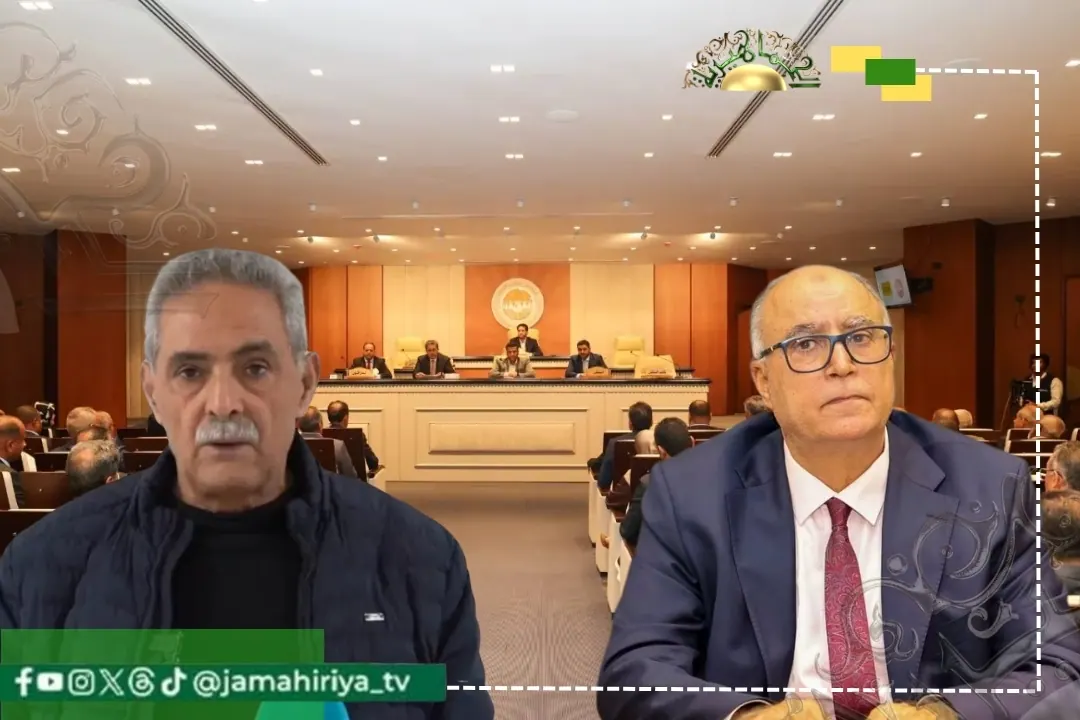
Libya's newly elected parliament speaker, Abdul Naby al-Salah, has taken on a significant challenge in his bid to restore political harmony and facilitate national elections. According to Fathi al-Shibli, head of the Voice of the People party, al-Salah's success will not only depend on his ability to manage the parliament but also on his capacity to navigate the country's complex political landscape. Al-Shibli expressed his views in a statement reported by Erem News on October 9, 2026.
Al-Shibli suggested that al-Salah may adopt a more flexible approach in dealing with the State Council, avoiding confrontations and instead focusing on building broader political consensus. This approach, al-Shibli argued, would be essential in addressing key issues such as the elections and the agreements reached by the 4+4 committee. However, al-Shibli also noted that this flexibility does not imply unconditional acceptance of the State Council's positions.
The new parliament speaker is expected to seek wider acceptance of proposed agreements rather than risking further divisions between eastern and western Libya. Al-Shibli emphasized that al-Salah's success in managing the parliament's affairs and navigating the country's complex politics will be crucial in reviving the institution's role as a legislative body driving the country towards elections.
One of the key challenges facing al-Salah is the ongoing efforts of Masoud Bouls, a US presidential advisor, to facilitate a broader consensus on Libya's power structure, constitution, and electoral process. Al-Shibli highlighted the importance of achieving a wider national consensus on these critical issues.
To succeed, al-Salah will need to prioritize consensus-building over imposing individual positions, according to al-Shibli. This approach would enable the parliament to reassert its role as a legislative body working towards elections and an end to the country's divisions.
Al-Shibli's comments come as Libya continues to grapple with the aftermath of prolonged conflict and divisions. The country's path towards stability and democracy remains uncertain, with many observers watching the developments in the parliament closely.
The international community is also closely monitoring the situation, with many stakeholders emphasizing the need for a peaceful and inclusive resolution to Libya's ongoing challenges. As al-Salah begins his tenure as parliament speaker, he faces a daunting task in uniting the country's fractured political landscape.
Key points
- Abdul Naby al-Salah faces a difficult test in rebuilding political consensus and facilitating national elections in Libya.
- Fathi al-Shibli suggests that al-Salah may adopt a more flexible approach in dealing with the State Council.
- The success of al-Salah's efforts will depend on his ability to prioritize consensus-building and navigate the country's complex politics.