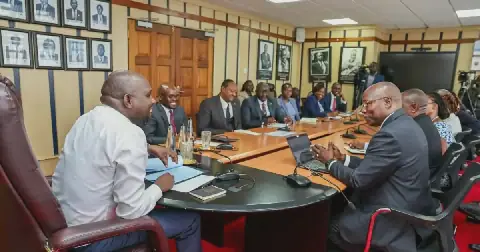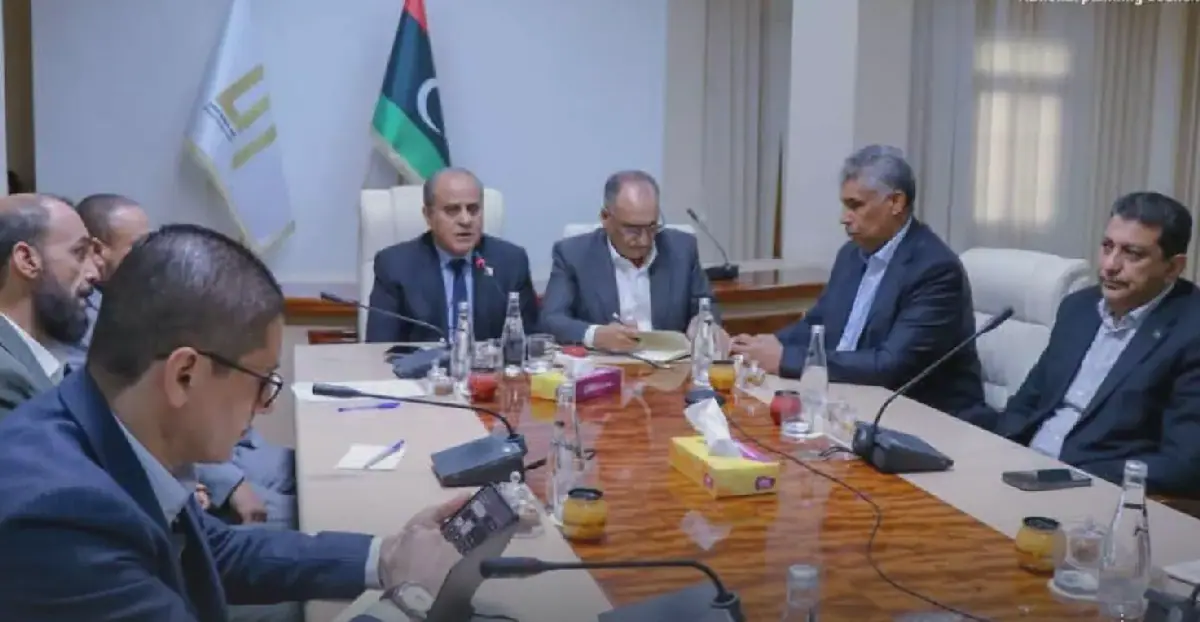
Libya's National Planning Council, led by Ahmed Ibreidan, recently convened with members of parliament and representatives of teachers' unions and faculty members. The meeting aimed to discuss the delayed start of the academic year and address employment and living demands for education sector staff. The talks involved several high-ranking officials, including the chair and members of the Education Affairs Committee in parliament. They sought to find solutions to the ongoing disruption in the education sector.
The meeting covered various topics, including the reasons behind the suspension of classes and possible mechanisms to resume studies. Ibreidan emphasized the importance of prioritizing the resumption of classes, warning of the severe educational and social consequences of continued disruption. He stressed that ensuring students' right to education is a shared responsibility among all parties involved. The parliamentary Education Affairs Committee reviewed its efforts to monitor the school reopening issue and its communications with the teachers' union.
The committee affirmed its readiness to study proposals that could end the disruption and create conditions for educational institutions to resume their work. Ibreidan called for coordinated efforts among concerned parties to find solutions that balance continuity of classes with responding to the legitimate demands of staff. The head of the teachers' union outlined the union's demands, which include improving salaries and settling overdue financial entitlements. The union also seeks to approve class allowances and provide health insurance matched to professional and living requirements.
The meeting brought together a group of advisers and experts who contributed to the discussions. They examined the current state of the education sector and explored potential solutions to the challenges it faces. The talks reflected a shared commitment to finding ways to address the sector's challenges and ensure that classes resume. The parties involved acknowledged the need for a collaborative approach to resolving the issues affecting the education sector.
The National Planning Council's efforts to address the education sector's challenges are ongoing. The council is working closely with parliament and other stakeholders to find solutions that meet the needs of both staff and students. The goal is to create a stable and conducive learning environment that allows students to access quality education. The council's initiatives aim to promote educational stability and improve the overall quality of education in Libya.
The meeting concluded with an agreement to submit discussion outcomes to parliament. The goal is to take the necessary measures to address the education sector's challenges, ensure classes resume, and safeguard the rights of teachers and faculty members. The parties involved are expected to work together to implement the agreed-upon solutions and monitor their effectiveness. This collaborative approach is seen as crucial to resolving the current crisis in the education sector.
The resumption of classes is seen as a top priority, with all parties acknowledging its importance for students' educational and social well-being. The agreed-upon measures are expected to have a positive impact on the education sector, allowing students to access quality education and teachers to work in a stable and supportive environment. The National Planning Council's efforts to address the sector's challenges reflect a commitment to promoting educational stability and improving the lives of Libyan students and educators.
Key points
- The National Planning Council, led by Ahmed Ibreidan, met with parliament and teachers' unions to address the delayed start of the academic year and staff demands.
- The meeting discussed ways to resume studies, improve working and living conditions for teachers and faculty members, and address employment demands.
- The parties involved agreed to submit discussion outcomes to parliament to take necessary measures to address the education sector's challenges.