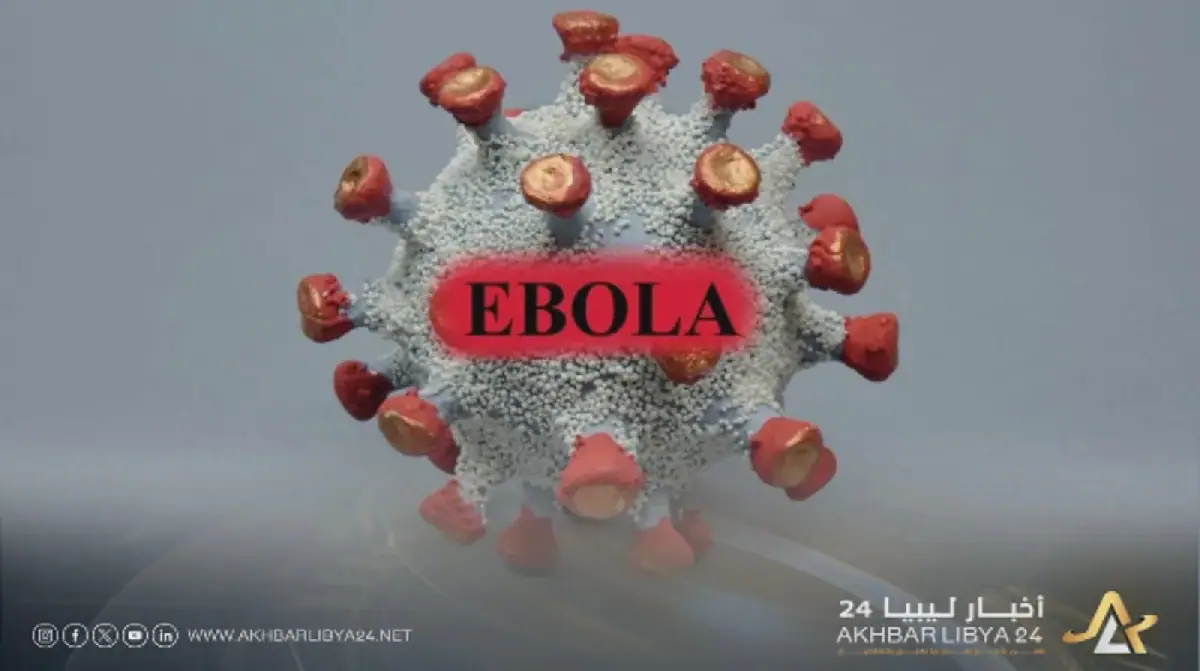
The Libyan National Center for Disease Control has issued a statement clarifying the transmission methods of the Ebola virus. According to the center, Ebola is not spread through breathing or casual contact with individuals in the air. Instead, infection occurs mainly through direct contact with bodily fluids of an infected person, such as blood, sweat, and other secretions that may carry the virus.
The center emphasized the importance of verifying information related to the disease and avoiding misinformation and unsubstantiated news. They stressed that they are monitoring developments related to Ebola both locally and internationally as part of their efforts to track the health situation and epidemiological developments. Their statements align with those of the World Health Organization.
The World Health Organization confirms that Ebola is not classified as an airborne disease, and infection does not occur simply by inhaling air in the vicinity of an infected individual, unlike some respiratory diseases. The organization notes that human-to-human transmission of the virus is linked to direct contact with the blood, secretions, organs, or other bodily fluids of an infected person.
Transmission can also occur through contact with contaminated surfaces and tools, including clothing, bedding, and materials used in patient care. The World Health Organization mentions that transmission through coughing or sneezing is extremely rare, if it occurs at all, and that the virus does not spread in the typical manner of respiratory infections.
Human infection with the virus often begins with transmission from infected wild animals before spreading among humans through direct contact. Healthcare workers are among those most at risk when dealing with suspected or confirmed cases, particularly if they do not adhere to infection prevention and control procedures.
Sources of infection also include funeral ceremonies involving direct contact with a deceased body contaminated with the virus. The Libyan National Center for Disease Control urged people to obtain information from specialized health authorities, adhere to preventive guidelines, and avoid disseminating inaccurate information that may cause public concern.
The center's warnings come as part of their efforts to ensure public awareness and safety regarding the Ebola virus. By emphasizing the importance of accurate information and proper precautions, they aim to mitigate the risk of infection and prevent the spread of misinformation.
Key points
- The Ebola virus is primarily spread through direct contact with infected bodily fluids, not through airborne transmission.
- Healthcare workers are at high risk of infection if proper prevention and control measures are not followed.
- Misinformation about Ebola can lead to public concern and increased risk of infection.
Reporting sources
- «مكافحة الأمراض» يوضح طرق انتقال «إيبولا» ويحذر من الشائعات المتداولة · Akhbar Libya 24